

























































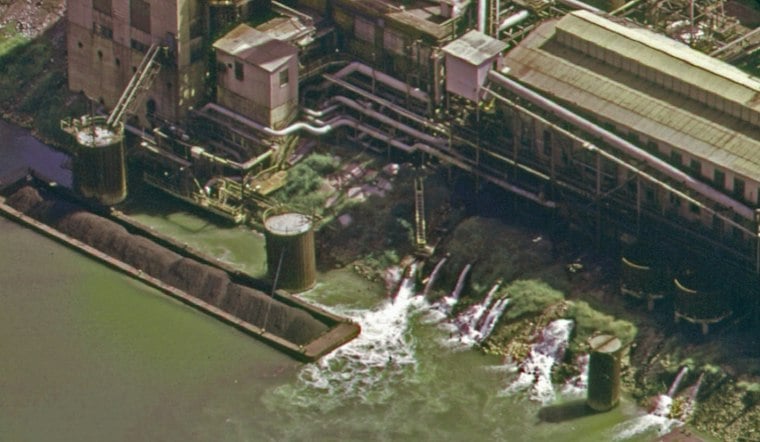
A stretch of the West Ashley Greenway between Coburg Road and Farmfield Avenue shut down again this week after a sewer main break sent discolored water and a noticeable odor into the nearby marsh — the second such failure in the same spot in less than a month. Charleston Water System crews spent Wednesday digging up the damaged pipe to figure out what went wrong and how to fix it for good this time.
The utility first flagged the break in a Nov. 3 notice, reporting that it had released a to-be-determined volume of sewage and that the affected section of trail would close starting the next day, according to Charleston Water System. Crews diverted the contaminated flow quickly after the leak was reported and limited how much material reached the surrounding marsh, per the seed reporting from WCBD News 2. The public was told to keep away from nearby marsh and waterways until testing confirmed bacteria levels had returned to safe levels.
This is not the first time this exact stretch of pipe has failed. The same portion of the Greenway closed after a sewer main break on Oct. 20 before shutting down again on Nov. 4, according to The Post and Courier. That earlier break released 8,800 gallons of sewage, the water system said in an Oct. 28 update.
A Foot From the Last Repair
Workers discovered the newest failure was just one foot from the site of the previous repair, the Post and Courier reported. Mike Saia, the water system's spokesperson, said the two incidents were unrelated, even as the station's report noted that Charleston Water System described the November break as nearly identical to the one from October 20. The stretch of sewer main, Saia said, has been very problematic for the utility.
Charleston Water System has recorded four main breaks in this area over the last two years, Saia said. Given how close together the two most recent breaks occurred, the utility determined it would need to replace a 10-foot length of pipe rather than patch it again, with that work expected to finish the morning of Nov. 5. The water system said it expected the Greenway to reopen by early evening at the latest once repairs wrapped up.
Saltwater, Aging Pipes, and a Marsh Problem
Officials believe the repeated failures may be tied to the marsh environment surrounding the aging metal pipes beneath the trail. Saia put it simply: saltwater and metal do not mesh. The Greenway stretches roughly nine miles through Charleston and is a popular route for runners, walkers and cyclists, but underneath it sit thousands of feet of sewer infrastructure that has proven vulnerable to the corrosive marsh conditions.
The pattern tracks with concerns the utility raised more than a decade ago. In a 2013 fact sheet, Charleston Water System said inadequate capacity in the existing West Ashley Tunnel created a bottleneck that caused sanitary sewer overflows in the area, particularly during heavy rain, according to Charleston Water System.
A Long-Term Fix Still Years Away
To stop the cycle of breaks for good, Charleston Water System is moving forward with a multi-million-dollar infrastructure project that would replace the existing sewer line with a new tunnel roughly 130 feet underground. The utility expects that tunnel to deliver more reliable wastewater service in West Ashley and cut the risk of future leaks in the environmentally sensitive marsh corridor, with completion targeted for the end of 2027.
For now, trail users are left navigating closures and detours. Caleb Borg, who moved to West Ashley this past week, said he was disappointed that part of the trail was impacted by ongoing work. Saia said the utility wants the Greenway open and its sewer infrastructure functioning properly at all times, adding that crews are aiming for the best possible solution to stop the failures rather than another short-term patch.




