

























































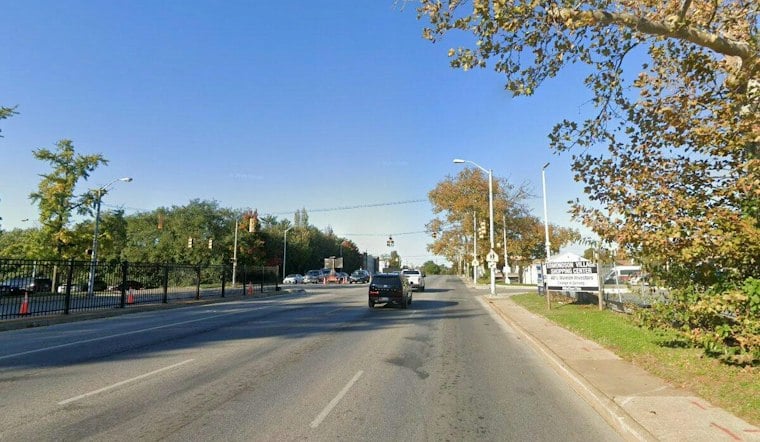
Ascension St. Agnes cut the ribbon on a new primary care practice at the Edmondson Village Shopping Center on Friday, bringing a facility designed to serve more than 4,300 people a year to a corner of West Baltimore where access to a regular doctor has long been scarce. The practice is supported by funding from the Maryland Department of Health and is expected to officially begin accepting patients later this month.
According to WBAL-TV, officials hope that putting health resources directly in the community will help lower the risk of chronic disease and increase life expectancy for residents nearby. Khalil Hassan of the Maryland Department of Health said people who lack a strong connection to primary care tend to seek treatment wherever they happen to be, rather than from a consistent provider. Marylanders without a primary care provider, Hassan said, are less likely to get the right care, at the right time, at the right place.
A 5,000-Square-Foot Answer to a Documented Gap
Ascension's own announcement of the project, made back in the spring, described the practice as a 5,000-square-foot space designed to conveniently serve more than 4,300 patients and accommodate more than 9,300 annual visits, according to Ascension. The health system has said the practice will offer chronic disease management, behavioral health support, and connections to social services, built around the specific pressures facing this stretch of West Baltimore.
Ascension has pointed to a clear local shortage behind the investment: Baltimore City's primary care ratio sits at just 30 percent, far below surrounding counties, and the system says the city has struggled with a shortage of providers willing to treat low-income patients and accept Medicaid. The same announcement noted that community members in West Baltimore have higher rates of diabetes and hypertension than other Marylanders.
What the New Practice Plans to Offer
Ascension's listing for the location describes it as a practice meant to offer high-quality, personalized care for people of all ages, including preventive care, health screenings, vaccinations, and ongoing management of conditions such as diabetes, high blood pressure, asthma, and heart disease. The planned multidisciplinary care team is expected to include physicians, nurse practitioners, nurse case managers, social workers, care coordinators, behavioral health providers, and diabetes educators, the system says. Lab, imaging, and pharmacy services are also planned to be available in the neighborhood.
The practice's street address has been listed inconsistently across Ascension's own materials: its location page gives the address as 4500 Edmondson Ave., Suite 1, Baltimore, MD 21229, while its provider directory lists the same building's Suite 2. Which suite number is correct was not independently confirmed.
Chronic Disease Already a Documented Priority
The timing lines up with findings from Ascension Saint Agnes's own Community Health Needs Assessment, which identified mental health, chronic health conditions, and access to care as the three citywide priorities for 2023-2024. In a survey conducted for that assessment, 21.2% of key leaders named primary and preventive healthcare as a top community need. The same assessment found adult diabetes prevalence of 13% in Baltimore City, compared with 9% statewide and nationally, and adult obesity prevalence of 37% in the city versus 31% statewide.
County Health Rankings notes that sufficient availability of primary care physicians is essential not just for routine checkups but for timely referrals to specialty care when problems arise — the kind of gap that officials say Friday's ribbon-cutting is meant to help close.
Not the First Attempt at Closing This Gap
West Baltimore has seen efforts like this before. A four-year, $5 million Health Enterprise Zone initiative known as the West Baltimore Primary Care Access Collaborative was led by Bon Secours Baltimore Health System and brought together more than a dozen institutions to improve access to care and reduce health disparities, according to the American Hospital Association. That program reported connecting 1,125 high utilizers of emergency care to community health workers and linking 100 of them to an ongoing primary care provider, with a readmission rate among enrollees that fell to 12 percent, down 6 percent since the program began. The collaborative had also set a goal of reducing diabetes-, hypertension-, and cardiovascular-related preventable emergency room visits by 2.5 percent by March 2017.
Whether the new Edmondson Village practice can match or build on those earlier results remains to be seen once it opens its doors to patients later this month. For now, the project adds a dedicated primary care option to a part of the city that both Ascension and Maryland health officials have identified as underserved for years.





