

























































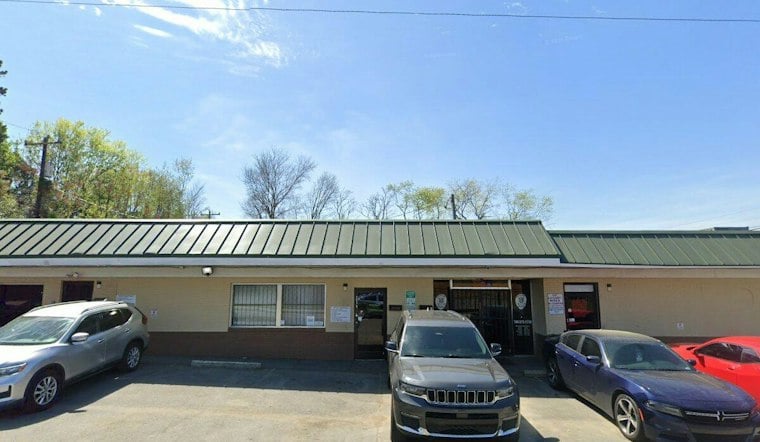
McLeod Centers for Wellbeing is rolling out its first mobile opioid treatment unit in West Charlotte next Monday, November 16, parking at Hajee House Harm Reduction at 2219 Dr. Webber Ave. The nonprofit says the van will carry naloxone and full Opioid Treatment Program services directly to patients who cannot get to its clinics, serving people regardless of their ability to pay or whether they have health insurance.
According to The Charlotte Post, McLeod can treat some clients for free through grants from the nationwide opioid settlement and state funding, and the organization also has funds to help clients at risk of losing housing or utilities pay rent or utility bills. Christine Zazzaro, CEO of McLeod Centers for Wellbeing, said the mobile unit brings treatment to patients in their community, addressing transportation barriers that have kept people from completing care. McLeod is partnering with Hajee House Harm Reduction on the effort, pairing its clinical services with an organization already embedded in the neighborhood.
A Harm-Reduction Group Born From Loss
Hajee House started in 2018 and is described as the first Black-led harm reduction organization in Mecklenburg County, per the same report. Founder Terica Carter started the organization after her 18-year-old son died following a fentanyl overdose. Carter said Hajee House connects people who are ready for treatment with McLeod Centers for Wellbeing, making the new mobile unit a natural extension of work the two groups were already doing together.
McLeod gives naloxone, sold under the brand name Narcan, to every patient to take home, and the organization also offers naloxone to community members who simply come in to get it. Zazzaro said naloxone availability in the community is credited with much of the recent decrease in opioid deaths, a point that lines up with the reasoning behind parking the new unit at a harm-reduction site rather than only at a clinic.
Racial Gap in Overdose Deaths Drives Urgency
The timing follows troubling local numbers. Mecklenburg County has had an increase in opioid-related deaths among Black and Hispanic residents of approximately 200% since 2019, according to the seed reporting. Separately, opioid-related deaths in the United States fell 14% from 2024 to 2025, per CDC figures cited in that reporting. Mecklenburg County has reported that overdose deaths among Black and Hispanic residents rose 200% since 2019, compared with a 14% increase among White residents over the same period.
That gap is not unique to Charlotte. KFF Health News has reported that Black people in North Carolina died from overdoses at a rate of 38.5 per 100,000 residents in 2021, more than double the 2019 rate. The same outlet found that in 2019, Black people made up just 7.5% of those served by a $54 million federally funded state opioid treatment and prevention effort, while White people accounted for 88% of those served. Nationally, KFF Health News reports that Black people are half as likely as White people to be referred to or receive opioid treatment, even after a nonfatal overdose, citing CDC data.
Treatment That McLeod Says Should Not Be Stigmatized
Zazzaro said methadone and buprenorphine help people become healthier and should not be stigmatized, framing the medications as legitimate treatment rather than a substitute addiction. McLeod describes its Opioid Treatment Program as combining FDA-approved medications with counseling and behavioral therapies, according to McLeod Centers for Wellbeing.
For patients not using the mobile unit, McLeod says outpatient treatment begins with a clinical assessment, available by appointment or on a walk-in basis weekdays from 8:30 a.m. to 4 p.m., and that it offers short-term, long-term, and intensive outpatient treatment. Those looking to schedule an assessment can call the Patient Access department at (704) 332-9001, per the center's outpatient services page.
How Mobile Units Fit Into the Broader Treatment Model
Mobile medication units like McLeod's are not without precedent elsewhere. Mobile clinics can serve as extensions of existing opioid treatment programs. Research has also discussed treatment organizations in Kentucky.
McLeod first previewed the West Charlotte launch on LinkedIn, where staffer Logan Adams wrote that the organization's brand new and first-ever mobile unit, carrying both naloxone and full Opioid Treatment Program services on wheels for patients unable to reach its clinics, would be parked at Hajee House. For now, the partnership between the nonprofit and the harm-reduction group Carter built from personal loss stands as Charlotte's latest attempt to close a treatment gap that has widened sharply along racial lines.





