

























































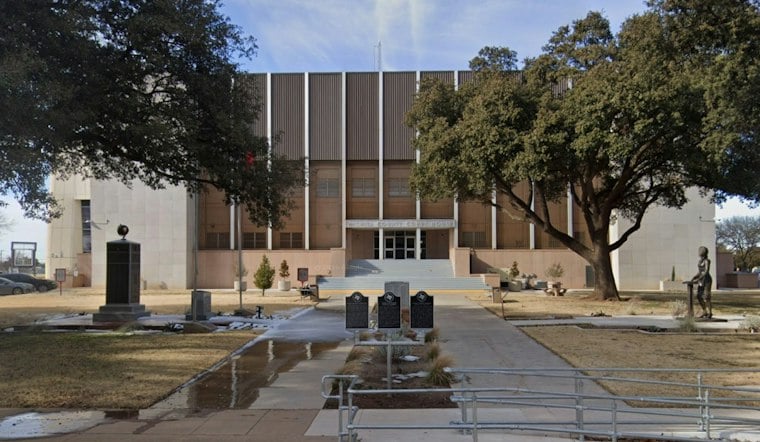
Wichita Falls city representatives are headed to the Wichita County Commissioners Court on Tuesday to ask for help with a financing plan for Sikes Senter mall, after the city's first attempts to unload the shuttered property came up empty. The ask comes roughly a year after the city spent $27.5 million of borrowed money to buy the mall outright, with hopes of flipping it to a private developer.
A Stalled Sale Sends the City Back to the Table
The city used bank loans through its Economic Development Corporation to purchase Sikes Senter in October 2025, according to a report on the matter. City Council members learned on Nov. 17 that the first round of efforts to find a buyer had fallen flat. Moriah Williams, CEO of Forward Wichita Falls, said fewer than a handful of developers even responded to the city's bid, and most of those simply wanted the site handed over for free — an offer the city has refused, according to the same report.
Williams said the economic development group has gone back to the drawing board on a new approach. The setback marks a shift from where things stood over a year earlier, when Ron Kitchens reportedly told the Wichita Falls Times Record News in July 2025 that the mall would be sold to an unidentified Dallas developer; that deal never materialized.
What the City Is Proposing Now
With a buyer still out of reach, city officials are pitching a large tax increment reinvestment district, known as the University Gateway District, to help pay for cleanup and redevelopment around the mall. Assistant City Manager Paul Menzies said the city might ultimately need to take on parts of the mall's redevelopment itself, including demolition and infrastructure improvements, per the same report cited above.
Under the proposed district, base property tax revenue would be frozen at its current level to keep funding city services like police and fire, while any future growth in tax revenue within the district could be dedicated to projects such as demolishing the mall. Menzies stressed that the plan would not create a new tax — it would simply redirect how future growth in existing tax revenue gets spent.
A 500-Acre Footprint Stretching Across the City
If approved, the University Gateway District would become Wichita Falls' fifth TIF district, encompassing roughly 500 acres stretching from the Kell Freeway to Southwest Parkway along Kemp Boulevard. The footprint would include Parker Square, Century Plaza, the new South Wenonah Boulevard corridor and part of the Call Field Road corridor, according to the report.
City officials are bringing the plan to Wichita County because future county property tax revenue could also be affected by freezing the base and redirecting growth within the district. The Wichita County Commissioners Court is expected to vote on the plan at a future date; its meeting Tuesday is scheduled for 10 a.m. at the Wichita County Courthouse and will be open to the public, with a livestream available on the county's YouTube channel.
Not the City's First Try With This Tool
Wichita Falls has leaned on this kind of financing before. As NewsChannel 6 reports, Tax Increment Reinvestment Zone No. 2 was established back in 2005 to spur development along the Lawrence Road corridor. City officials said in a February 2026 meeting that the zone had exceeded financial expectations and helped complete major infrastructure improvements along Maplewood. The outlet also noted that the City Council took no action to formally establish the new zone during its introductory presentation.
The Wichita Falls City Council has scheduled a public hearing on the University Gateway District for Dec. 1 and may vote on creating it at that same meeting.
A Similar Playbook in Montana
Wichita Falls isn't the only city leaning on tax increment financing to revive a struggling mall. In Kalispell, Montana, city councilors have expressed support for a $13.9 million TIF request tied to redeveloping the west side of Kalispell Center Mall, according to the Flathead Beacon. There, developer Parkline Partners' request would fund a 3rd Avenue West extension, demolition of the vacant former Herberger's department store building, façade replacement, utility extensions and streetscape work, with the roughly $10.9 million road extension — including $3.8 million for façade improvements — making up the largest share. Parkline Partners has said it plans $127.35 million in private investment alongside the public request, and Kalispell staff are drafting a developer agreement to bring back for another work session.





