

























































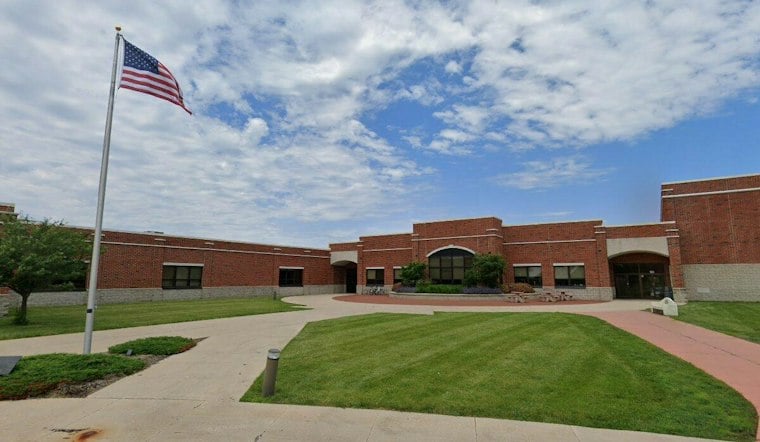
Williams Bay voters approved an extension of their school operating referendum during the week of November 2, 2026, with 57 percent in favor of a measure that will funnel roughly $10 million toward staff and programs over the next four school years. The approval does not raise taxes in Williams Bay, instead continuing the rate voters first signed off on previously. It made Williams Bay the only one of four Walworth County school districts whose referendum passed this election.
According to TMJ4, both parents and school administrators in the district say the state's education funding model needs to change, even as they celebrated the win. Superintendent William White, who has had to make the case for continued funding to the community, said the process can feel uncomfortably like asking for a handout. “In a way, it feels like you're begging for money,” White said, adding that he hopes the funding system changes so schools no longer have to hold referendums just to keep the lights on.
Neighbors Fell Short at the Ballot Box
The same ballot that carried Williams Bay to approval delivered rejection to three other Walworth County districts. Per the same TMJ4 account, Whitewater's referendum failed in preliminary results, with 3,763 votes against and 3,398 in favor, while Delavan-Darien voters turned down a $5.5 million annual funding-limit increase by 51 percent. The Woods School's $4.5 million proposal came closest of all, failing by a single vote.
Parent Tom Keefe, who helped explain the funding mechanics to neighbors ahead of the vote, said he and other supporters tried to simplify a complicated issue so people could understand what was actually at stake. “Politicians in the state: Sort this out so that this doesn't need to happen,” Keefe said, calling on lawmakers to resolve the underlying funding problem. Stacey McDonald, who worked alongside Keefe using a Facebook page to walk residents through the state funding formula, said parents shouldn't have to fully grasp a complex formula just to support their local schools. McDonald added that referendums appear to be the state's go-to solution for filling funding gaps, and that communities tend to vote yes once those gaps are explained to them clearly.
A Statewide Pattern of Ballot-Box Budgeting
Williams Bay's vote landed amid a broader statewide reckoning over how Wisconsin funds its public schools. Wisconsin's general election included 79 school referendum questions, according to WisPolitics, and State Superintendent Jill Underly said the funding formula behind that reliance has failed Wisconsin's children, schools, and communities for decades. Statewide, voters approved 44 of the 79 referendums on local ballots, as reported by Wisconsin Public Radio, leaving dozens of districts facing the kind of budget uncertainty Williams Bay just avoided.
Some of those outcomes carried higher stakes than others. In Winter, Wisconsin Public Radio reported that a four-year, $6 million operational referendum passed with 68 percent support, after an earlier attempt on the April ballot managed only 40 percent approval. District leaders said Winter, which has struggled with state-imposed revenue limits and declining enrollment, might have closed if this latest referendum had failed. Gillett voters, by contrast, rejected a three-year, $5.7 million proposal in what was the district's seventh referendum attempt in 12 years; administrator Nathan Hanson noted that every dollar a district cuts can, in turn, reduce the state aid it receives.
What the Extension Means for Williams Bay
The Williams Bay School District's own account of the measure, posted on its website, describes the November referendum as maintaining the same levels of taxpayer funding for four additional years, running from 2027 through 2031. The district says the approval allows it to exceed the state revenue limit by $2 million in the 2027-28 school year, a figure that climbs to $2.75 million by 2030-31, and that projections show the mill rate actually decreasing each year of the referendum period. Had the measure failed, the Williams Bay School District said it would have been forced into significant budget cuts starting in 2027-28, potentially touching staff, programs, services, and maintenance.
The district's referendum page also cites data from Baird Financial showing that as of November 2023, more than 85 percent of Wisconsin school districts had already been forced to seek operational referendum support from their communities. Since 2010, only 19 of the state's 421 districts have avoided asking voters to weigh in on an operational or debt referendum at all. For Williams Bay parents and administrators, the referendum result offers room to breathe, but it hasn't quieted their hope that state legislators will eventually adjust the funding formula so decisions this consequential don't keep landing on local ballots.





