

























































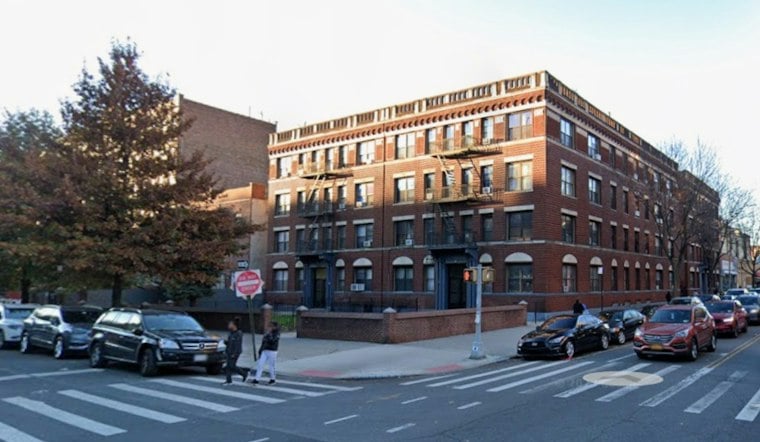
Property owners across the Northside of Williamsburg are being asked to decide whether they want to pay for cleaner sidewalks, graffiti removal and a dedicated sanitation crew that would work the neighborhood seven days a week. The proposal, which has been years in the making, would create a new business improvement district funded entirely through assessments on local property owners, and this week it became a live political fight playing out on morning television and neighborhood message boards alike.
City Council Member Lincoln Restler, who represents the area, joined Mornings On 1 on Thursday to discuss the proposed district, according to Spectrum News NY1. Restler has been pushing for the plan and argued that the assessment amounts to a small price to pay for cleaner, safer streets, per that report. Business improvement districts, or BIDs, are typically funded through assessments charged to local property owners rather than general city tax dollars.
The idea for a Northside BID isn't new. Organizers formed a steering committee back in 2023 working alongside the city's Department of Small Business Services, according to Brooklyn Paper. That same reporting describes a needs-assessment survey that drew responses from nearly a thousand residents, with sanitation emerging as the top concern. Now organizers are mailing ballots to property owners and businesses within the proposed district, and their response will determine whether the BID moves forward at all.
What the New District Would Actually Pay For
If approved, the district would fund daily sanitation crews, graffiti removal, street beautification and community programming, the outlet's report notes. The sanitation team specifically would be on the ground seven days a week, rather than relying solely on the city's existing cleanup schedule. Those additional services are the pitch organizers are making to property owners who will ultimately foot the bill.
The proposal's own online assessment calculator spells out how those bills would be calculated. Residential-only properties would not exceed $600 per year per unit at the maximum assessment, according to the Northside Improvement District assessment calculator. Commercial-only, hotel, and vacant or parking properties would face a $500 base fee, with the total assessment also including formula components. The calculator explains that residential properties are assessed using only market assessed value, while commercial or mixed-use properties factor in both market assessed value and commercial square footage. Organizers note the current formula is built on 2024-2025 data and the maximum assessment would not climb year over year alongside rising neighborhood property values.
Separately, the same Brooklyn Paper report describes commercial property owners paying more than residential owners overall, with the formula also weighing factors like lot size. That detail adds another layer to a pricing structure that has become a central point of friction in the debate.
Where Exactly Would the District Sit
Even the basic geography of the proposed BID has been described differently across local coverage. North Brooklyn News reported in September 2025 that the district would span from Bedford Avenue to the Kent Avenue waterfront and from Grand Street to North 15th Street, covering around 220 block faces, according to North Brooklyn News. Brooklyn Paper's reporting instead describes the district stretching from North 15th Street to Grant Street and from Bedford Avenue to the East River. The two accounts don't line up, and neither source resolves the discrepancy.
What is clear is the voting threshold organizers need to clear. North Brooklyn News reported that the BID must reach 51% majority approval in the ballot process to pass. North Brooklyn News also identified Restler as among the city government leaders who have backed the district's formation.
Pushback Surfaces Online
Not everyone in the surrounding community is on board. A post on Reddit's r/Greenpoint forum, titled “Stop Lincoln Restler's Anti-Democratic Northside BID,” argued that organizers have not said small landlords would pay only a nominal fee, and claimed local politicians were pushing to launch the district by June 2026. The post reflects one strand of grassroots opposition circulating as ballots go out, though it does not represent an official response from organizers to the concerns being raised.
How Williamsburg Compares to Other Proposed Districts
Williamsburg isn't the only neighborhood weighing this tradeoff right now. A proposed Yorkville Alliance BID on the Upper East Side is also being considered, according to East Side Feed. That steering committee said it has worked with the city's Department of Small Business Services for three years, beginning with a 2024 neighborhood needs survey.
The Yorkville proposal offers a useful budget comparison. Its first-year budget would start at $1.7 million and could rise to a cap of just over $2 million with board approval, per the same outlet's reporting. Assessments there were pegged at roughly $1,444 per year for every $1 million in assessed property value, and the plan would fund daily sanitation crews along with uniformed public safety ambassadors patrolling the district.
BIDs are a well-established tool in New York City. Brooklyn alone currently has 23 of them, and Brooklyn Paper's reporting notes that nearly 80 neighborhoods across the five boroughs have adopted the model. The NYC311 guide describes BIDs broadly as public-private partnerships in which property and business owners jointly fund neighborhood maintenance, development and promotion efforts.
What Happens Next
The city's own guidance suggests the process ahead is neither quick nor simple. Once a community identifies a BID as its preferred option, local stakeholders form a steering committee to lead the formation process, and the effort can take considerable time given the number of property owners, businesses and other stakeholders involved, according to the NYC Department of Small Business Services. For now, Williamsburg property owners are left weighing new recurring costs against the promise of cleaner sidewalks and graffiti cleanup, with the ballot count still to come.



