

























































Daniel Avila thought he had hemorrhoids. Instead, the 39-year-old Winston-Salem father learned he had stage 4 colon cancer that had already spread to his liver. On Wednesday morning, he rang the ceremonial bell at Novant Health Cancer Institute, marking the end of a grueling treatment journey that included surgery, chemotherapy, and a newer procedure that uses sound waves to destroy tumors without a scalpel.
Avila's path to that bell began with a misread symptom, according to WXII, which reported that what he initially believed were hemorrhoids turned out to be stage 4 colon cancer that later spread to his liver. From there, his care escalated quickly. He underwent surgery and aggressive chemotherapy before receiving what the station described as an innovative procedure that uses ultrasound to destroy tumors in the liver.
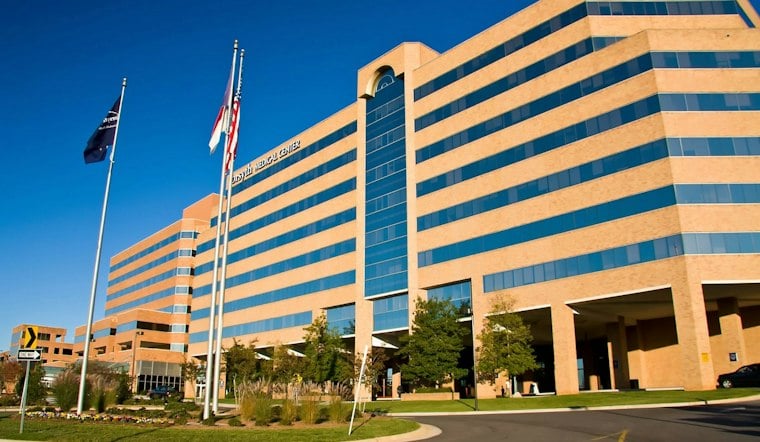
That liver-targeting treatment is known as histotripsy, and Novant Health's Forsyth Medical Center in Winston-Salem was the first hospital in the Carolinas to offer it. Novant Health describes the technique as using high-intensity ultrasound waves to shatter tumor cells while minimizing damage to surrounding tissues, sparing patients the trauma of open surgery on the liver itself.
A Milestone Few Reach
For Avila, ringing the bell carried weight beyond the ceremony itself. He said he is grateful to have reached the milestone, adding that not many people with stage four get to ring the bell or walk away from it, per the station's report. It's a blunt acknowledgment of how far his case had progressed before treatment turned things around.
Now, Avila is back at his woodshop and looking forward to spending more time with his family. He said he is especially excited to watch his two children pursue their dreams of becoming ballet dancers, the same account notes.
How the Ultrasound Procedure Works
Histotripsy was approved by the U.S. Food and Drug Administration in October 2023, according to Novant Health. Since then, more than 1,000 tumors have been treated in the United States with the technology, the health system reports. A 2025 study cited by Novant found that histotripsy produced a 90% local tumor control rate one year after treatment.
A separate FDA filing for the device system used in the procedure states that it gives clinicians a way to identify, target and destroy liver tumors without surgery, according to the U.S. Food and Drug Administration. That filing is limited in scope and does not detail broader outcomes data beyond the device's intended use.
Younger Patients, Missed Warning Signs
Avila's case fits into a pattern doctors in the Triad say they are increasingly seeing. Physicians note that although colon cancer screenings typically begin at age 45, they are observing a rise in younger patients developing the disease, WXII has reported separately. Vanessa Gomez, another Triad resident, was diagnosed with colon cancer at age 40 and began her battle with the disease in 2025. She learned her cancer was stage three only after surgery to remove a tumor, and she later finished her final chemotherapy treatment at the same Novant Health Cancer Institute where Avila rang his bell.
For now, Avila's focus has shifted from hospital visits to sawdust and ballet recitals. His story stands as a reminder that symptoms easily dismissed as minor can signal something far more serious, and that catching them, however late, can still lead to a bell worth ringing.




