

























































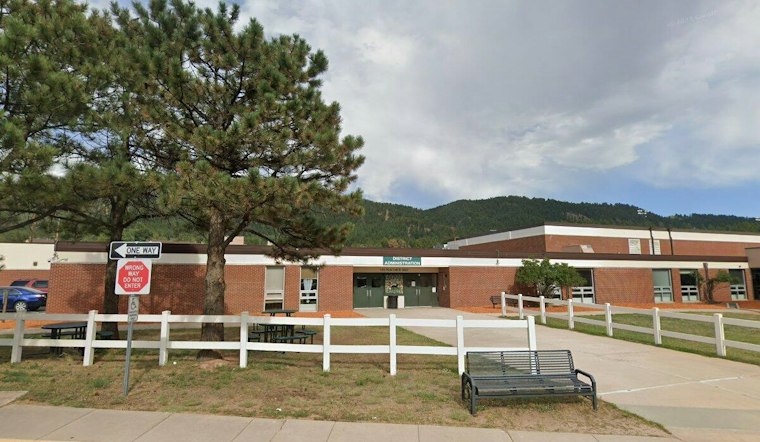
Woodland Park School District RE-2 still has building-debt payments to make after voters rejected a proposed city sales tax that would have helped cover them. The district’s budget explainer says payments are expected to continue through 2037 at about $715,000 a year, with roughly $8.3 million carried by the operating budget over the remaining life of the debt.
City results reported by The Gazette showed 30.77% in favor of Ballot Issue 2B and 69.23% opposed. The measure would have imposed a 0.25% sales tax, administered by the city, with proceeds directed to the district’s existing building debt. It included a 2031 sunset and would have expired unless voters renewed it.
The rejected proposal was not the district’s first sales-tax approach to school finances. Woodland Park School District RE-2’s 2024 financial statements say the 1.09% tax approved by voters in 2016 was designated for educational purposes and enabled the district to refinance existing general-obligation debt through certificates of participation, reducing property taxes by 6.725 mills. That earlier measure and Issue 2B had different tax rates and purposes.
Other Colorado school measures illustrate why the purpose of a funding proposal matters. In Widefield School District 3, the Nov. 4, 2025 ballot included an $88 million bond for capital projects and a $5 million mill levy override for expenses, salaries and student programs, The Gazette reported. Those proposals were distinct from Woodland Park’s plan to use a municipal sales tax for existing debt; the comparison does not indicate a statewide trend or explain Woodland Park voters’ decision.
The district’s funding mix provides additional context, not an explanation for the result: the Colorado Department of Education’s FY2024-25 profile lists 53% of Woodland Park RE-2 funding as local, 41% state and 6% federal. Those districtwide figures do not establish why voters opposed Issue 2B.
Board President Keegan Barkley told The Gazette that residents’ financial strain was a factor he had anticipated. He said the board had hoped the measure would leave more educational funds for classrooms rather than debt. His comments reflect the board’s view; the results do not establish voters’ reasons.
The Gazette reported that district officials said they had cut expenses over several years without affecting student programs. After the measure’s defeat, the board plans to consider other options and involve the community, but it has not laid out specific proposals or a timetable.





