

























































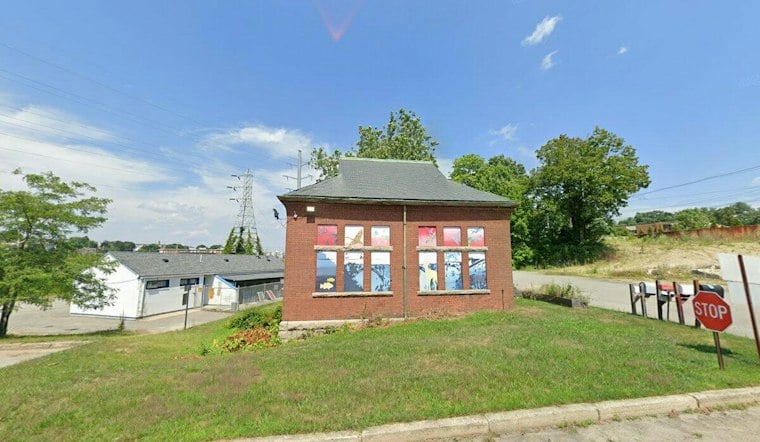
Woonsocket's City Council voted unanimously to approve a new wastewater treatment contract with Veolia for the city's Blackstone River plant, following an independent assessment that found a substantial maintenance backlog and deficiencies in almost every major process area. Jacobs Engineering Group was cutting ties with the city over a late-payment dispute and was still operating the plant after the vote, 14 years into its original 20-year deal.
The newly approved agreement, reported by Rhode Island Current, is an initial six-month contract that calls for a $251,250 monthly payment covering 15 full-time Veolia employees and repair costs, plus a one-time $270,000 startup and transition fee. Veolia and the city may extend that initial term through up to six one-month extensions while they work toward a full three-year contract, according to the seed facts behind this report. The deal is set to replace Jacobs, whose 20-year contract, signed in 2012, would have kept it in Woonsocket until 2032.
The Woonsocket Wastewater Treatment Plant sits on the Blackstone River and treats roughly 10 million gallons of wastewater a day, serving more than 50,000 customers across Woonsocket and North Smithfield in Rhode Island, as well as Bellingham and Blackstone in Massachusetts, per the seed facts. Rhode Island Current separately reported the plant's wastewater arm treats about 10 million gallons of sewage daily for Woonsocket and its neighboring communities.
What the Assessment Found
An independent condition assessment conducted for the city in August found a substantial backlog of regular cleaning, housekeeping and maintenance work, and identified deficiencies in almost every major process area during Jacobs' operation, according to the seed facts. Woonsocket Public Works Director Steven D'Agostino said the city had been uncomfortable with the plant and its consequences for quality of life under the prior operator, per those same facts.
City Council member James C. Cournoyer said in September that Veolia should operate the plant properly and help make needed assessments. Veolia's Joseph Tackett said the company is committed to protecting public health, meeting regulatory standards and reinvigorating deteriorated infrastructure, while Veolia's David Connors said the company aims to bring the plant back to full compliance.
A Returning Operator With a Deep Rhode Island Footprint
Veolia previously operated Woonsocket's wastewater treatment plant until 2012, and it currently runs the city's wastewater collections system and drinking water treatment plant. The company also operates wastewater treatment facilities in Cranston, East Providence, Lincoln, Newport and Smithfield, and Veolia North America has more than 15,000 employees across over 500 locations, making it the largest private water operator in the United States, according to the seed facts.
Rising costs have already hit Woonsocket ratepayers. The city's fiscal 2027 budget raised sewer fees, setting the annual charge for city residents at $556, compared with roughly $440 the year before, Rhode Island Current reported.
Years of Trouble at the Plant
The plant's problems predate this year's assessment. DEM required the plant to use a portable gravity belt thickener until a permanent thickener could be repaired. In March 2023, the Rhode Island Department of Environmental Management conducted inspections and daily monitoring at the plant.
In 2023, DEM and the state Attorney General filed a civil complaint concerning unpermitted discharges, naming the city and contractors as defendants. DEM later said the plant had consistently met its effluent permit limits since March 3, 2023, and lifted a related no-contact advisory for the Blackstone River on March 15, 2023.
The Unresolved Incinerator Question
Woonsocket's wastewater plant also includes an incineration arm whose future remains unsettled. In 2025, the City Council authorized negotiations with the Narragansett Bay Commission to transfer the facility, but as Rhode Island PBS reported, that resolution was preliminary and nonbinding, contingent on agreement from the commission and the two private contractors involved. The commission already provides wastewater treatment services to more than 400,000 state residents, per the same report.
City officials have estimated the incineration arm needs $40 million to $50 million in upgrades and infrastructure improvements, according to Rhode Island PBS. The Cranston Wastewater Treatment Facility, also operated by Veolia, is the only other plant in Rhode Island with an incinerator, Rhode Island Current reported. A state DEM administrator told The Valley Breeze that Woonsocket's facility can treat 105 tons of sludge per day, versus Cranston's capacity of 62 tons.




