
























































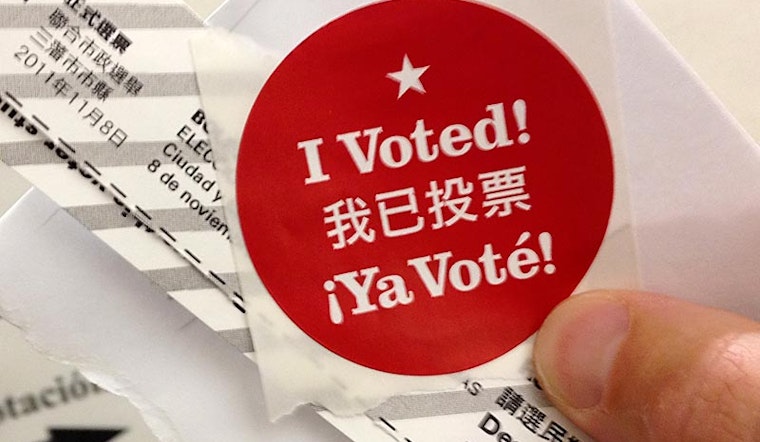
A few weeks ago, we invited readers of Hayeswire, and our sibling blogs Haighteration and Uppercasing, to submit questions for the candidates running for District 5 Supervisor.
Today, we begin presenting the candidates' answers.
We selected five questions to represent each neighborhood, and submitted them to the candidates. Topics included crime, homelessness, traffic, housing, blight, Ross Mirkarimi, and more. While all eight candidates agreed to answer our readers' questions, as of our deadline we hadn't received responses from candidates Daniel Everett or John Rizzo. So, only six of the candidates are represented below. Here are their answers to our five Hayes Valley questions, presented in random order.
Q: Aline G. asks: "With all the new constructions in the neighborhood, parking is getting horrible. How are you going to address that?" Hope Johnson:
This is a difficult problem to resolve. As more approved developments are built, parking will be ever more scarce since many of those developments intentionally limit the number of parking spaces included for the new residents. In addition, traffic congestion and driver wait time is likely to increase. Based on these realities, I will start by encouraging you to consider trying life in San Francisco without a car by walking, riding Muni, and signing up for a car share plan. I sold my car when I moved here seven years ago, joined City Car Share in 2004, and love living with the cost and hassle of a vehicle. Muni is faster than looking for parking. One option I will explore as supervisor is allowing residents to rent parking spaces and driveways without having to pay the city a parking garage fee.
Hope Johnson:
This is a difficult problem to resolve. As more approved developments are built, parking will be ever more scarce since many of those developments intentionally limit the number of parking spaces included for the new residents. In addition, traffic congestion and driver wait time is likely to increase. Based on these realities, I will start by encouraging you to consider trying life in San Francisco without a car by walking, riding Muni, and signing up for a car share plan. I sold my car when I moved here seven years ago, joined City Car Share in 2004, and love living with the cost and hassle of a vehicle. Muni is faster than looking for parking. One option I will explore as supervisor is allowing residents to rent parking spaces and driveways without having to pay the city a parking garage fee.
 Julian Davis:
We need to balance competing interests in the neighborhood. On the one hand we want to encourage people to get out of their cars and on to bikes and public transit. This means developing new housing on or near major transit corridors. On the other hand, additional construction and the removal of parking to create bike lanes puts additional stresses on neighborhood parking. As an example of how to balance interests I would work to open up the DMV parking lot to additional community use. Creating the Fell and Oak bike lanes while opening up the DMV lot for local merchants and residents is an example of how we can balance neighborhood interests.
Julian Davis:
We need to balance competing interests in the neighborhood. On the one hand we want to encourage people to get out of their cars and on to bikes and public transit. This means developing new housing on or near major transit corridors. On the other hand, additional construction and the removal of parking to create bike lanes puts additional stresses on neighborhood parking. As an example of how to balance interests I would work to open up the DMV parking lot to additional community use. Creating the Fell and Oak bike lanes while opening up the DMV lot for local merchants and residents is an example of how we can balance neighborhood interests.
 Christina Olague:
There are several ways to address parking issues in the city. On an immediate level, I believe that we should reevaluate our current parking system to ensure that the existing spots are maximized and used to their full potential. But on a greater level, the parking issues in our city reveal a greater need to utilize and engage alternative forms of transportation. By encouraging the use of a more effective and accessible MUNI and by promoting bicycles and other forms of green transportation, we can indirectly address the parking issue and help make this city accessible to all.
Christina Olague:
There are several ways to address parking issues in the city. On an immediate level, I believe that we should reevaluate our current parking system to ensure that the existing spots are maximized and used to their full potential. But on a greater level, the parking issues in our city reveal a greater need to utilize and engage alternative forms of transportation. By encouraging the use of a more effective and accessible MUNI and by promoting bicycles and other forms of green transportation, we can indirectly address the parking issue and help make this city accessible to all.
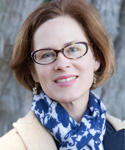 Thea Selby:
Aline, I’m not sure if you’re talking about the temporary problem of construction taking away parking spaces (like with the Duboce/Church N Judah improvements) or if you’re asking the question, what do we do with all the new buildings that may not have enough parking for the extra residents they add. Either way, this remains a big issue in the City. I don’t have a quick fix, but know that my solution will come with a lot of input from residents and merchants as to what they need as well as a vision of how we can co-exist in this city with bicycles, Muni, cars and pedestrians. Did you know that 30% of all traffic comes from people looking for parking?
Thea Selby:
Aline, I’m not sure if you’re talking about the temporary problem of construction taking away parking spaces (like with the Duboce/Church N Judah improvements) or if you’re asking the question, what do we do with all the new buildings that may not have enough parking for the extra residents they add. Either way, this remains a big issue in the City. I don’t have a quick fix, but know that my solution will come with a lot of input from residents and merchants as to what they need as well as a vision of how we can co-exist in this city with bicycles, Muni, cars and pedestrians. Did you know that 30% of all traffic comes from people looking for parking?
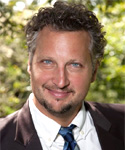 Andrew Resignato:
Parking is an issue throughout District 5 and generally we need to take a step back and look at parking across the District. We tend to be reactive about allocating parking instead of looking at the bigger picture. We need to get out of the mindset that parking should be free. This is what causes a shortage. In some cases we need to expand residential permit parking, install meters in front of businesses, and I believe eliminate the minimum parking requirements on new development which encourages people to use cars.
Andrew Resignato:
Parking is an issue throughout District 5 and generally we need to take a step back and look at parking across the District. We tend to be reactive about allocating parking instead of looking at the bigger picture. We need to get out of the mindset that parking should be free. This is what causes a shortage. In some cases we need to expand residential permit parking, install meters in front of businesses, and I believe eliminate the minimum parking requirements on new development which encourages people to use cars.
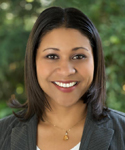 London Breed:
We need Supervisors who will evaluate new development based on what's best for the neighborhood and the City, not for the special development interests. When opponents of a project point out that it will make parking in the area harder, they need to be speaking to someone who is responsive to their needs, not to someone who depends on the developer for donations.
We're a rapidly changing district, and as more and more of our citizens use walking or biking as their main mode of transportation, we need to make sure that we don't just wipe out the ability to drive and park alongside them with runaway development.
As Supervisor, I will be independent enough of the special interests to make sure that our planning reflects the needs of everyone in our District, regardless of how they choose to get around.
London Breed:
We need Supervisors who will evaluate new development based on what's best for the neighborhood and the City, not for the special development interests. When opponents of a project point out that it will make parking in the area harder, they need to be speaking to someone who is responsive to their needs, not to someone who depends on the developer for donations.
We're a rapidly changing district, and as more and more of our citizens use walking or biking as their main mode of transportation, we need to make sure that we don't just wipe out the ability to drive and park alongside them with runaway development.
As Supervisor, I will be independent enough of the special interests to make sure that our planning reflects the needs of everyone in our District, regardless of how they choose to get around.
Patrick C. asks: "Are we supposed to stay home and use our electronic devices that are constantly being marketed to us and are being made more amenable for wireless access? What good is WiFi at shops/cafes if we can't carry our equipment to the shops for use? Why can't the police protect us instead of shrugging their shoulders and saying it's our fault...while they collect the highest salary in the country (Greg Suhr) and luxuriate in pensions that we will never have for ourselves?"Hope Johnson:
I will work to make our streets safer. Also, one my main goals as supervisor will be to hold accountable city departments and elected representatives for the way our taxpayer money is being used. There is no reason our police chief needs to make the highest salary in the country while we have a need for street officers, homeless counselors, and other positions. However, there will always be some need for caution and responsible use by owners. We all know these devices are currently targeted and must pay attention to our surroundings and choices of where to use them. This doesn’t seem “fair” but, as a woman, I can tell you there is nothing “fair” about crime. I know I am a target in certain situations, especially alone, and do my best to avoid placing myself in those situations. There is no avoiding this.
Julian Davis:
No one should ever be afraid to walk down the street for coffee or groceries, no matter what electronics they carry. I support adding more beat cops, but keeping our neighborhoods safe may take more than just traditional policing. It’s important to have the police department focus on solving crimes that matter in people’s lives. Petty drug busts are far less impactful then focusing on theft. Instead of damaging policies like the proposed use of “Stop and Frisk,” we should foster culturally competent policing that understands and can work with our district’s diverse communities.
Christina Olague:
I would like to reiterate the importance of making our streets safer in D5. The way to do this is to focus on community policing, improve our schools and expand social programs to provide better education and better opportunities for our youth. Additionally, I support free public Wi-Fi in San Francisco. This internet is an avenue to opportunity and should be available to everyone.
Thea Selby:
Agreed! We’re a linked-up city — many of us are iPad and iPhone and Android people. I do have a solution to some of the theft here: in Europe and Australia, phones and tablets are “bricked” when they are stolen (the carrier or the maker of the phone disables it completely when the theft is reported). It makes the re-sale value of the gadget $0. This doesn’t happen in the US. Apple and ATT, for instance, will erase your personal information, but they will not disable the phone, and it can still be resold and reused.
This is a policy that's dangerous for the citizens but good for the bottom line of a company — you don’t buy another phone and another plan if you’re still in posession of the first one you bought. I propose that we ask Apple and ATT to brick their phones. If they refuse, we'll sue them for damages include the cost of the police and the mental and physical damages suffered by the victims of theft. There's a precedent here.
Andrew Resignato:
I know we are not alloacting our police resources wisely (see above). We do need to look at salaries of our top officials and ask the question: Are we getting our money's worth? I am frustrated by the lack of action when it comes to these property and sometimes violent crimes. It is not the residents' fault. That explanation is unacceptable.
London Breed:
Crime is never, ever the fault of the victim. And feeling safe in District 5 means feeling that your property is safe as well as your person.
But if you think the police are shrugging their shoulders at the problem, I have to disagree. In fact, one of the biggest issues that’s always kicking around the Hall of Justice is exactly what you describe: petty thefts and muggings of people’s electronics in the Lower Haight and Haight-Ashbury.
We've got one uniformed police officer in this City for every 454 residents. Think about that for a second and you can’t help but cringe. Any solution to the uptick in crime has to come from our communities in cooperation with law enforcement. We need to engage more neighborhood groups, and find out how law enforcement can work together with them to create a safer City existence.
When we have trust and cooperation between neighborhoods and the police, we can start to increase reporting of suspicious persons, decrease response times, and tighten our communities around the concept of public safety.
I am proud to be the #1 endorsed candidate of the San Francisco Police Officers Association, and as Supervisor I will be the bridge between these groups that we need to have working together, for all our sakes.
Prevention of these crimes are an important part of the solution as well. As Supervisor, I will make sure that we are working to improve the lives of the youth in the community, before they become tomorrow's criminals, by providing opportunities for education, training and employment.
Lawrence L. asks: "What are your favorite bars and restaurants in D5 and why?"Hope Johnson:
Some bars I enjoy in my neighborhood are Fly Bar (good food, pool, unique saki drinks, can sit at bar, inside tables, or tables by the window), Candy Bar (friendly bartender, fun cocktails, delicious sangria, fancy deserts, art), and Mini Bar. I like Green Chile Kitchen (super fresh, non-salty food, family atmosphere), Nopalito (delish), Tsunami, Whole Foods, Saporo-Ya, and Bean Bag Café.
Julian Davis:
I'm a big fan of Noc Noc, Molotovs, Magnolia, Madrone, NOPA, State Bird Provisions, Fat Angel, Place Pigalle, Little Chihuahua, and Fly Bar. These local institutions make up the heart of our vibrant commercial corridors. These locally owned businesses are a reminder of how important it is to keep formula retail out of our neighborhoods.
Christina Olague:
I would say that Nopalito is my favorite restaurant in District 5. I appreciate the effort to utilize organic local ingredients in their food and love the Latin twist in their dishes. I also love Mifune in Japantown and go there whenever I’m craving Japanese food.
Thea Selby:
The whats are numerous but the why is simple: the people who are hard at work at all these establishments! Mustafa at Café du Soleil, Zahra and Duni at Café International, and everyone at the Grind (which is just next door to our campaign HQ and feeds our campaign staff four or five times a day). Vinyl is great for wine and their pear salad is to die for. Arizmendi Bakery’s sticky buns, amazing pizza, and co-op history make it worth a ride on the N-Judah, and Sheba is a great late night food and drink treat. Lastly, the campaign team has a post-election reservation for November 15 at State Bird Provisions (the best new restaurant in America, according to HuffPost!) and we'll be sure to let you know what we think.
Andrew Resignato:
I'm a beer drinker and brewer so Magnolia, Toronado, Fat Angel, and Tanpopo (Sapporro on draft). For live music I like the Boom Boom Room, and Yoshi's and this new place called the Pa'Ina lounge that serves Hawaiian Asian fusion food (I lived in Hawaii) and has a great sound system. My favorite BBQ place is Memphis Minnies, for D5 pizza I like Paxtis, and for sushi I like Sushi Raw because the people are nice and I can watch the Giants from the bar. For a true dive bar experience I go with Dimples in Jtown. I like this question.
London Breed:
Too many to name, but here we go: Sheba Lounge, Tandoor, 1300 on Fillmore, Eddie’s, Greenburger, Two Jacks, Palmyra, and Fat Angel. They all have great food and most have great drinks. I know all the owners and they work hard everyday to make sure people feel welcomed.
Jennifer S. asks: "The lights on Octavia Blvd are timed so that pedestrians cross at the same time that cars on Oak, Page, and Haight turn right or left to get onto the freeway. How will you address this pedestrian death-trap?"Hope Johnson:
As a pedestrian, I think this is an extremely important question. The entire traffic light area there needs to be changed. Pedestrians may need to have their own light such as on many corners in the financial district. There are other streets that need to be addressed at the same time such as Fell and Divis, Oak and Divis, areas along Masonic, areas near Trader Joe's, and Octavia at Hayes Park. We need to have community input to find the best solutions and then implement them such as the newer traffic light at Grove and Divisadero or the stop signs that were placed near Alamo Square Park on Fulton.
Julian Davis:
Though much of Octavia is improved over where it was even a few years ago, there is a lot we can do to make it safe. With better signage, traffic calming measures, high visibility crosswalks and bulb-outs, we can keep cars careful and pedestrians safe. I’m running as a car-free candidate because I believe in a San Francisco that is built for people, not for cars. We need innovative approaches to make our streets more walkable, bike-able, but we also need to look at our city intersection by intersection to fix problems and dangers where residents spot them.
Christina Olague:
Pedestrian safety is one of my top priorities, and I will make it a point to directly address this issue. One of the greatest strengths of D-5 is the natural beauty and the pedestrian friendly streets. We should promote these streets and do everything we can to promote public safety and pedestrian safety. I will work with City Hall to ensure that these critical areas in the District are addressed so that pedestrian and commuters are able to utilize their respective pathways without restriction.
Thea Selby:
I have been stuck on one side of Octavia waiting for a safe time to cross many times. The worst seems to be at Oak, although Page and Haight are also unsafe. We need to make the walk times much longer at these intersections. A healthy person can trot across on time, but someone with children or a disability has a really tough time making it. We may also want to make it so that there is a portion of time when cars cannot turn left or right while pedestrians are crossing. Octavia Boulevard was not envisioned to be such a heavily trafficked area. Just because it became one doesn’t mean we can forget about pedestrians.
Andrew Resignato:
I would alert MTA to the problem and ask them to propose solutions. There are several places in D5 that are especially dangerous for pedestrians. We need to study these places and figure out how to make them safer. Pedestrian safety is an area where SF needs improvement. In this case I believe we need a Supervisor who is responsive to these issues and stays on the the Department in charge to make sure the situation is remedied.
London Breed:
I strongly support the Oak and Fell bike project, which is looking at this issue (among many others, obviously). That plan, and a few parts of the Bicycle Coalition's Connecting the City Initiative, are expected to have the effect of routing more Central Freeway-headed traffic to approach the on-ramp from the North rather than the more pedestrian-heavy areas near Oak Street.
But in the meantime, there is nothing wrong with having a look at the timing of those lights, to see if changing it would help pedestrians stay safer, especially during rush-hour traffic.
We also need to look at one-way streets in our community and determine if there should be changes in some parts of the district with accidents are way too common.
Rob A. asks: "Do you think Ross Mirkarimi should be reinstated as sheriff?"Hope Johnson:
Yes. Based on the circumstances, evidence presented, and alternative options available to voters, the best choice is to reinstate the sheriff and allow voters to use the recall process if they want to remove him as their elected representative.
Julian Davis:
Yes. San Francisco is awash in political appointments. In the last two years, we’ve had an appointed Mayor, an appointed D.A., an appointed District 5 Supervisor, and an appointed Sherriff. That’s not participatory democracy the way we envision it. A robust democracy means leaving this decision to the people, not the Mayor.
Christina Olague:
N/A
Thea Selby:
There is no doubt that Mirkarimi did something wrong, which he himself admitted. But there's also no doubt that, between the Mayor, the DA, and accusations of perjury left and right, the whole thing has turned into a political circus. Our officials have made too many decisions for us. The people voted Mirkarimi in, and they should have the final decision on whether he stays or goes. This is a democracy, right?
Andrew Resignato:
Yes.
London Breed:
I apologize, but I’m going to have to tell you what I’ve been telling everyone else: I don’t think it’s appropriate for any candidate for this seat to answer this question while the investigation is still ongoing.
That's it for part one! Stay tuned to Haighteration and Uppercasing for parts two and three, coming in the next few days.
We selected five questions to represent each neighborhood, and submitted them to the candidates. Topics included crime, homelessness, traffic, housing, blight, Ross Mirkarimi, and more. While all eight candidates agreed to answer our readers' questions, as of our deadline we hadn't received responses from candidates Daniel Everett or John Rizzo. So, only six of the candidates are represented below. Here are their answers to our five Hayes Valley questions, presented in random order.
Q: Aline G. asks: "With all the new constructions in the neighborhood, parking is getting horrible. How are you going to address that?"
Hope Johnson:
This is a difficult problem to resolve. As more approved developments are built, parking will be ever more scarce since many of those developments intentionally limit the number of parking spaces included for the new residents. In addition, traffic congestion and driver wait time is likely to increase. Based on these realities, I will start by encouraging you to consider trying life in San Francisco without a car by walking, riding Muni, and signing up for a car share plan. I sold my car when I moved here seven years ago, joined City Car Share in 2004, and love living with the cost and hassle of a vehicle. Muni is faster than looking for parking. One option I will explore as supervisor is allowing residents to rent parking spaces and driveways without having to pay the city a parking garage fee.
Julian Davis:
We need to balance competing interests in the neighborhood. On the one hand we want to encourage people to get out of their cars and on to bikes and public transit. This means developing new housing on or near major transit corridors. On the other hand, additional construction and the removal of parking to create bike lanes puts additional stresses on neighborhood parking. As an example of how to balance interests I would work to open up the DMV parking lot to additional community use. Creating the Fell and Oak bike lanes while opening up the DMV lot for local merchants and residents is an example of how we can balance neighborhood interests.
Christina Olague:
There are several ways to address parking issues in the city. On an immediate level, I believe that we should reevaluate our current parking system to ensure that the existing spots are maximized and used to their full potential. But on a greater level, the parking issues in our city reveal a greater need to utilize and engage alternative forms of transportation. By encouraging the use of a more effective and accessible MUNI and by promoting bicycles and other forms of green transportation, we can indirectly address the parking issue and help make this city accessible to all.
Thea Selby:
Aline, I’m not sure if you’re talking about the temporary problem of construction taking away parking spaces (like with the Duboce/Church N Judah improvements) or if you’re asking the question, what do we do with all the new buildings that may not have enough parking for the extra residents they add. Either way, this remains a big issue in the City. I don’t have a quick fix, but know that my solution will come with a lot of input from residents and merchants as to what they need as well as a vision of how we can co-exist in this city with bicycles, Muni, cars and pedestrians. Did you know that 30% of all traffic comes from people looking for parking?
Andrew Resignato:
Parking is an issue throughout District 5 and generally we need to take a step back and look at parking across the District. We tend to be reactive about allocating parking instead of looking at the bigger picture. We need to get out of the mindset that parking should be free. This is what causes a shortage. In some cases we need to expand residential permit parking, install meters in front of businesses, and I believe eliminate the minimum parking requirements on new development which encourages people to use cars.
London Breed:
We need Supervisors who will evaluate new development based on what's best for the neighborhood and the City, not for the special development interests. When opponents of a project point out that it will make parking in the area harder, they need to be speaking to someone who is responsive to their needs, not to someone who depends on the developer for donations.
We're a rapidly changing district, and as more and more of our citizens use walking or biking as their main mode of transportation, we need to make sure that we don't just wipe out the ability to drive and park alongside them with runaway development.
As Supervisor, I will be independent enough of the special interests to make sure that our planning reflects the needs of everyone in our District, regardless of how they choose to get around.
Patrick C. asks: "Are we supposed to stay home and use our electronic devices that are constantly being marketed to us and are being made more amenable for wireless access? What good is WiFi at shops/cafes if we can't carry our equipment to the shops for use? Why can't the police protect us instead of shrugging their shoulders and saying it's our fault...while they collect the highest salary in the country (Greg Suhr) and luxuriate in pensions that we will never have for ourselves?"
Hope Johnson:
I will work to make our streets safer. Also, one my main goals as supervisor will be to hold accountable city departments and elected representatives for the way our taxpayer money is being used. There is no reason our police chief needs to make the highest salary in the country while we have a need for street officers, homeless counselors, and other positions. However, there will always be some need for caution and responsible use by owners. We all know these devices are currently targeted and must pay attention to our surroundings and choices of where to use them. This doesn’t seem “fair” but, as a woman, I can tell you there is nothing “fair” about crime. I know I am a target in certain situations, especially alone, and do my best to avoid placing myself in those situations. There is no avoiding this.
Julian Davis:
No one should ever be afraid to walk down the street for coffee or groceries, no matter what electronics they carry. I support adding more beat cops, but keeping our neighborhoods safe may take more than just traditional policing. It’s important to have the police department focus on solving crimes that matter in people’s lives. Petty drug busts are far less impactful then focusing on theft. Instead of damaging policies like the proposed use of “Stop and Frisk,” we should foster culturally competent policing that understands and can work with our district’s diverse communities.
Christina Olague:
I would like to reiterate the importance of making our streets safer in D5. The way to do this is to focus on community policing, improve our schools and expand social programs to provide better education and better opportunities for our youth. Additionally, I support free public Wi-Fi in San Francisco. This internet is an avenue to opportunity and should be available to everyone.
Thea Selby:
Agreed! We’re a linked-up city — many of us are iPad and iPhone and Android people. I do have a solution to some of the theft here: in Europe and Australia, phones and tablets are “bricked” when they are stolen (the carrier or the maker of the phone disables it completely when the theft is reported). It makes the re-sale value of the gadget $0. This doesn’t happen in the US. Apple and ATT, for instance, will erase your personal information, but they will not disable the phone, and it can still be resold and reused.
This is a policy that's dangerous for the citizens but good for the bottom line of a company — you don’t buy another phone and another plan if you’re still in posession of the first one you bought. I propose that we ask Apple and ATT to brick their phones. If they refuse, we'll sue them for damages include the cost of the police and the mental and physical damages suffered by the victims of theft. There's a precedent here.
Andrew Resignato:
I know we are not alloacting our police resources wisely (see above). We do need to look at salaries of our top officials and ask the question: Are we getting our money's worth? I am frustrated by the lack of action when it comes to these property and sometimes violent crimes. It is not the residents' fault. That explanation is unacceptable.
London Breed:
Crime is never, ever the fault of the victim. And feeling safe in District 5 means feeling that your property is safe as well as your person.
But if you think the police are shrugging their shoulders at the problem, I have to disagree. In fact, one of the biggest issues that’s always kicking around the Hall of Justice is exactly what you describe: petty thefts and muggings of people’s electronics in the Lower Haight and Haight-Ashbury.
We've got one uniformed police officer in this City for every 454 residents. Think about that for a second and you can’t help but cringe. Any solution to the uptick in crime has to come from our communities in cooperation with law enforcement. We need to engage more neighborhood groups, and find out how law enforcement can work together with them to create a safer City existence.
When we have trust and cooperation between neighborhoods and the police, we can start to increase reporting of suspicious persons, decrease response times, and tighten our communities around the concept of public safety.
I am proud to be the #1 endorsed candidate of the San Francisco Police Officers Association, and as Supervisor I will be the bridge between these groups that we need to have working together, for all our sakes.
Prevention of these crimes are an important part of the solution as well. As Supervisor, I will make sure that we are working to improve the lives of the youth in the community, before they become tomorrow's criminals, by providing opportunities for education, training and employment.
Lawrence L. asks: "What are your favorite bars and restaurants in D5 and why?"
Hope Johnson:
Some bars I enjoy in my neighborhood are Fly Bar (good food, pool, unique saki drinks, can sit at bar, inside tables, or tables by the window), Candy Bar (friendly bartender, fun cocktails, delicious sangria, fancy deserts, art), and Mini Bar. I like Green Chile Kitchen (super fresh, non-salty food, family atmosphere), Nopalito (delish), Tsunami, Whole Foods, Saporo-Ya, and Bean Bag Café.
Julian Davis:
I'm a big fan of Noc Noc, Molotovs, Magnolia, Madrone, NOPA, State Bird Provisions, Fat Angel, Place Pigalle, Little Chihuahua, and Fly Bar. These local institutions make up the heart of our vibrant commercial corridors. These locally owned businesses are a reminder of how important it is to keep formula retail out of our neighborhoods.
Christina Olague:
I would say that Nopalito is my favorite restaurant in District 5. I appreciate the effort to utilize organic local ingredients in their food and love the Latin twist in their dishes. I also love Mifune in Japantown and go there whenever I’m craving Japanese food.
Thea Selby:
The whats are numerous but the why is simple: the people who are hard at work at all these establishments! Mustafa at Café du Soleil, Zahra and Duni at Café International, and everyone at the Grind (which is just next door to our campaign HQ and feeds our campaign staff four or five times a day). Vinyl is great for wine and their pear salad is to die for. Arizmendi Bakery’s sticky buns, amazing pizza, and co-op history make it worth a ride on the N-Judah, and Sheba is a great late night food and drink treat. Lastly, the campaign team has a post-election reservation for November 15 at State Bird Provisions (the best new restaurant in America, according to HuffPost!) and we'll be sure to let you know what we think.
Andrew Resignato:
I'm a beer drinker and brewer so Magnolia, Toronado, Fat Angel, and Tanpopo (Sapporro on draft). For live music I like the Boom Boom Room, and Yoshi's and this new place called the Pa'Ina lounge that serves Hawaiian Asian fusion food (I lived in Hawaii) and has a great sound system. My favorite BBQ place is Memphis Minnies, for D5 pizza I like Paxtis, and for sushi I like Sushi Raw because the people are nice and I can watch the Giants from the bar. For a true dive bar experience I go with Dimples in Jtown. I like this question.
London Breed:
Too many to name, but here we go: Sheba Lounge, Tandoor, 1300 on Fillmore, Eddie’s, Greenburger, Two Jacks, Palmyra, and Fat Angel. They all have great food and most have great drinks. I know all the owners and they work hard everyday to make sure people feel welcomed.
Jennifer S. asks: "The lights on Octavia Blvd are timed so that pedestrians cross at the same time that cars on Oak, Page, and Haight turn right or left to get onto the freeway. How will you address this pedestrian death-trap?"
Hope Johnson:
As a pedestrian, I think this is an extremely important question. The entire traffic light area there needs to be changed. Pedestrians may need to have their own light such as on many corners in the financial district. There are other streets that need to be addressed at the same time such as Fell and Divis, Oak and Divis, areas along Masonic, areas near Trader Joe's, and Octavia at Hayes Park. We need to have community input to find the best solutions and then implement them such as the newer traffic light at Grove and Divisadero or the stop signs that were placed near Alamo Square Park on Fulton.
Julian Davis:
Though much of Octavia is improved over where it was even a few years ago, there is a lot we can do to make it safe. With better signage, traffic calming measures, high visibility crosswalks and bulb-outs, we can keep cars careful and pedestrians safe. I’m running as a car-free candidate because I believe in a San Francisco that is built for people, not for cars. We need innovative approaches to make our streets more walkable, bike-able, but we also need to look at our city intersection by intersection to fix problems and dangers where residents spot them.
Christina Olague:
Pedestrian safety is one of my top priorities, and I will make it a point to directly address this issue. One of the greatest strengths of D-5 is the natural beauty and the pedestrian friendly streets. We should promote these streets and do everything we can to promote public safety and pedestrian safety. I will work with City Hall to ensure that these critical areas in the District are addressed so that pedestrian and commuters are able to utilize their respective pathways without restriction.
Thea Selby:
I have been stuck on one side of Octavia waiting for a safe time to cross many times. The worst seems to be at Oak, although Page and Haight are also unsafe. We need to make the walk times much longer at these intersections. A healthy person can trot across on time, but someone with children or a disability has a really tough time making it. We may also want to make it so that there is a portion of time when cars cannot turn left or right while pedestrians are crossing. Octavia Boulevard was not envisioned to be such a heavily trafficked area. Just because it became one doesn’t mean we can forget about pedestrians.
Andrew Resignato:
I would alert MTA to the problem and ask them to propose solutions. There are several places in D5 that are especially dangerous for pedestrians. We need to study these places and figure out how to make them safer. Pedestrian safety is an area where SF needs improvement. In this case I believe we need a Supervisor who is responsive to these issues and stays on the the Department in charge to make sure the situation is remedied.
London Breed:
I strongly support the Oak and Fell bike project, which is looking at this issue (among many others, obviously). That plan, and a few parts of the Bicycle Coalition's Connecting the City Initiative, are expected to have the effect of routing more Central Freeway-headed traffic to approach the on-ramp from the North rather than the more pedestrian-heavy areas near Oak Street.
But in the meantime, there is nothing wrong with having a look at the timing of those lights, to see if changing it would help pedestrians stay safer, especially during rush-hour traffic.
We also need to look at one-way streets in our community and determine if there should be changes in some parts of the district with accidents are way too common.
Rob A. asks: "Do you think Ross Mirkarimi should be reinstated as sheriff?"
Hope Johnson:
Yes. Based on the circumstances, evidence presented, and alternative options available to voters, the best choice is to reinstate the sheriff and allow voters to use the recall process if they want to remove him as their elected representative.
Julian Davis:
Yes. San Francisco is awash in political appointments. In the last two years, we’ve had an appointed Mayor, an appointed D.A., an appointed District 5 Supervisor, and an appointed Sherriff. That’s not participatory democracy the way we envision it. A robust democracy means leaving this decision to the people, not the Mayor.
Christina Olague:
N/A
Thea Selby:
There is no doubt that Mirkarimi did something wrong, which he himself admitted. But there's also no doubt that, between the Mayor, the DA, and accusations of perjury left and right, the whole thing has turned into a political circus. Our officials have made too many decisions for us. The people voted Mirkarimi in, and they should have the final decision on whether he stays or goes. This is a democracy, right?
Andrew Resignato:
Yes.
London Breed:
I apologize, but I’m going to have to tell you what I’ve been telling everyone else: I don’t think it’s appropriate for any candidate for this seat to answer this question while the investigation is still ongoing.
That's it for part one! Stay tuned to Haighteration and Uppercasing for parts two and three, coming in the next few days.




