
























































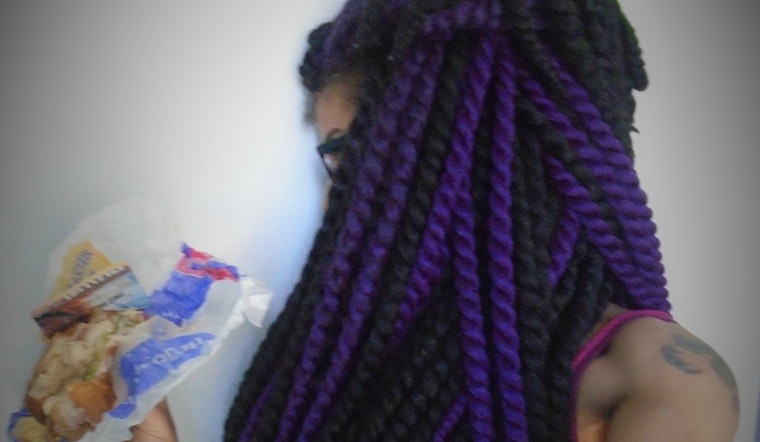
A unique photography show with a powerful message is opening at SoMa's Intersection For The Arts this week. I Got Nothing showcases the work of nine young photographers who are currently living in supportive housing in SoMa. It examines their relationship to food, and how living on tight budgets comprised largely of food stamps affects their daily lives and overall health.
The project was started after Colette Auerswald, a faculty member at the UC Berkeley School of Public Health and co-Director of I4Y (Innovations for Youth), began surveying a group of young people, ages 18-25, who live in supportive housing in SoMa. Many came out of the foster care system or experienced homelessness, and she was curious about how securing permanent housing affected their health.
"One of the issues that came up much more strongly than we thought was the degree of food instability," Auerswald told us. "About 80 percent reported this as a big issue. We were pretty shocked. We knew it would come up, which is why we put it on the survey, but we didn't think it would be so huge."
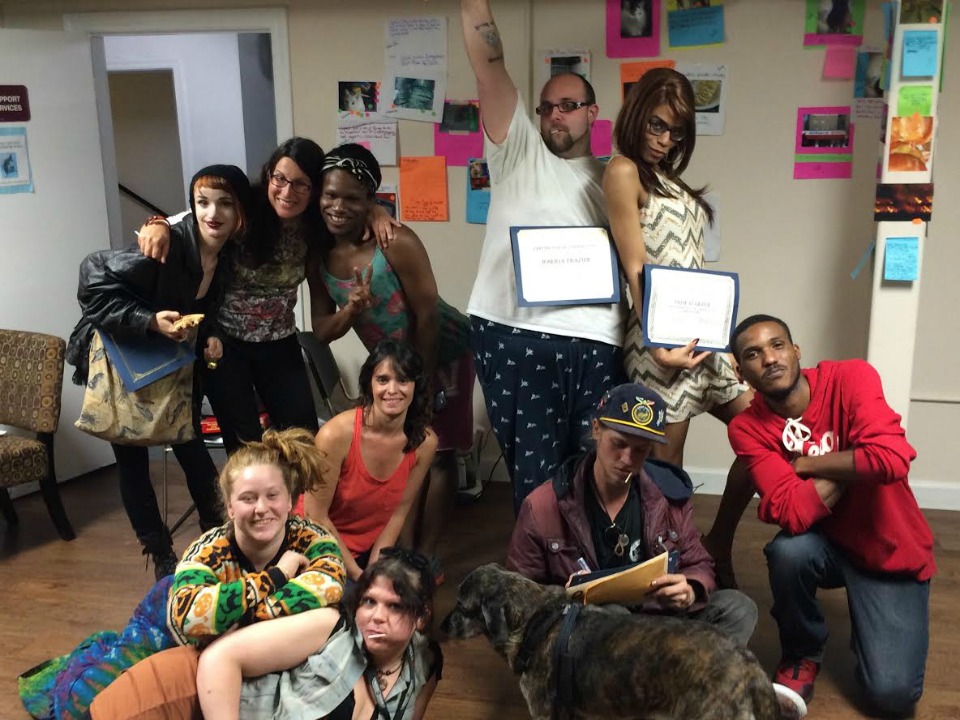 A few of the photographers who contributed to the project.
To help the survey participants tell their stories, Auerswald's team applied for funding from the UC Berkeley Food Institute to conduct a Photovoice project. Used throughout the world, Photovoice is a program designed to help marginalized groups explore their communities and situations through photography. Over the span of three months, nine of the youth were given cameras to document the experience of food instability, meeting weekly to discuss the issues raised.
We met up with a few of the photographers to chat about their work, and what they learned by turning a critical eye onto the ways their communities handle food.
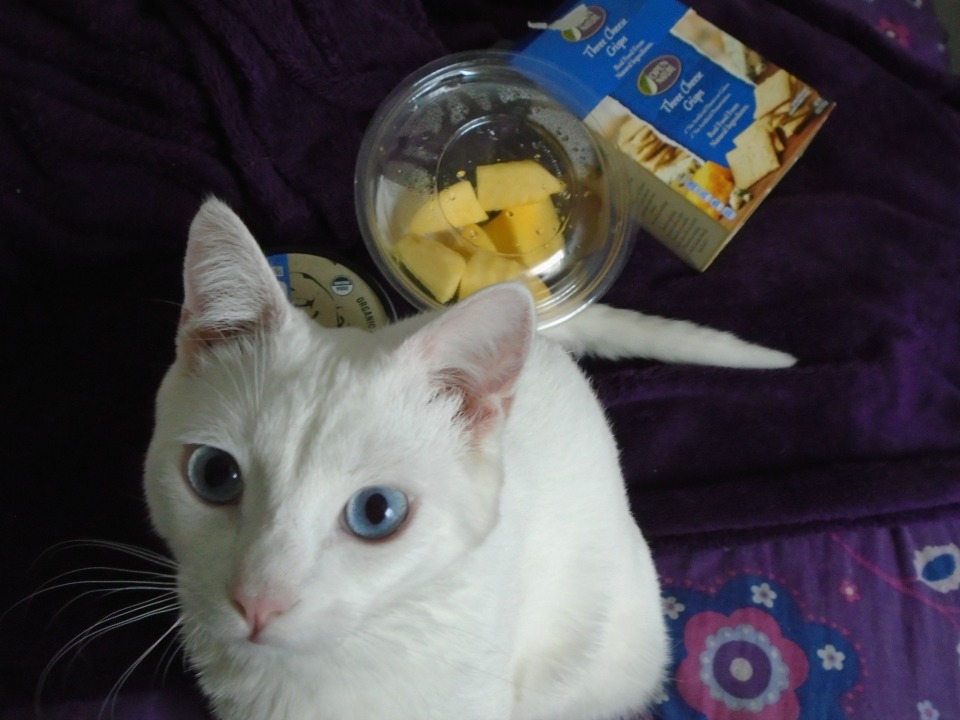 Photo: Mercedes
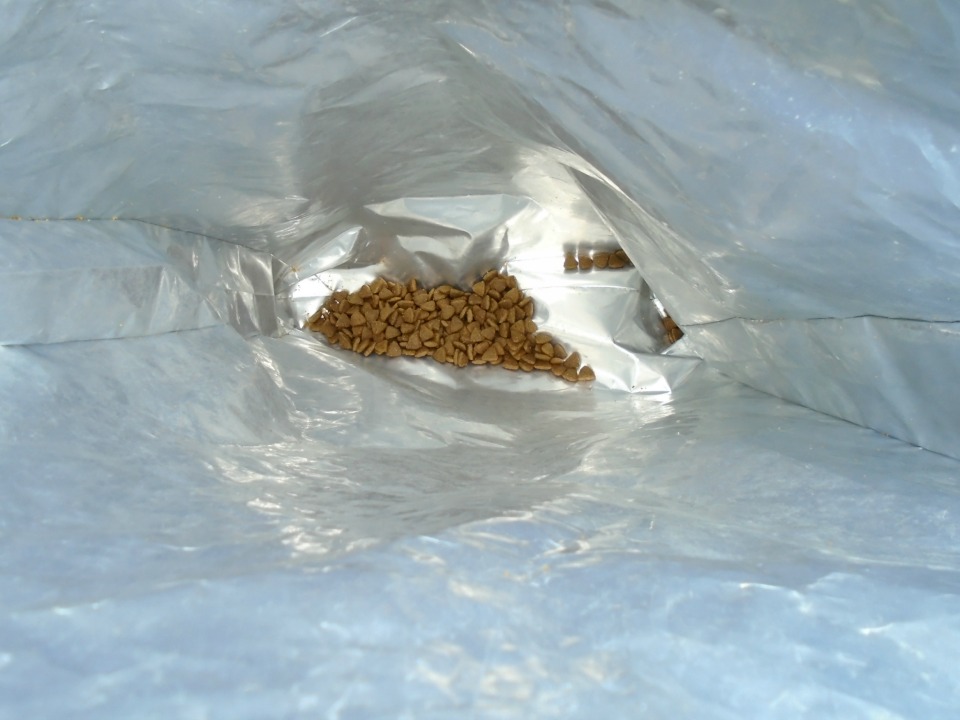 Photo: Amber
Pets were a hot topic for many of the people involved in Photovoice. The building on 5th and Harrison where all the photographers live is pet-friendly, and many of the residents own cats, dogs, rabbits or rats. But feeding animals on a budget—and with food stamps—is not easy.
"You can get free dog food, but it's usually poor-quality," said Josh, who has an 18-pound Jack Russell mix. "My dog eats better than I do. He will always have food in his bowl, even if I don't."
Amber owns a 45-pound dog, a cat, and two rats. "My dog and cat eat grain-free," she told us proudly. "But my rat's food costs just as much as my dog's."
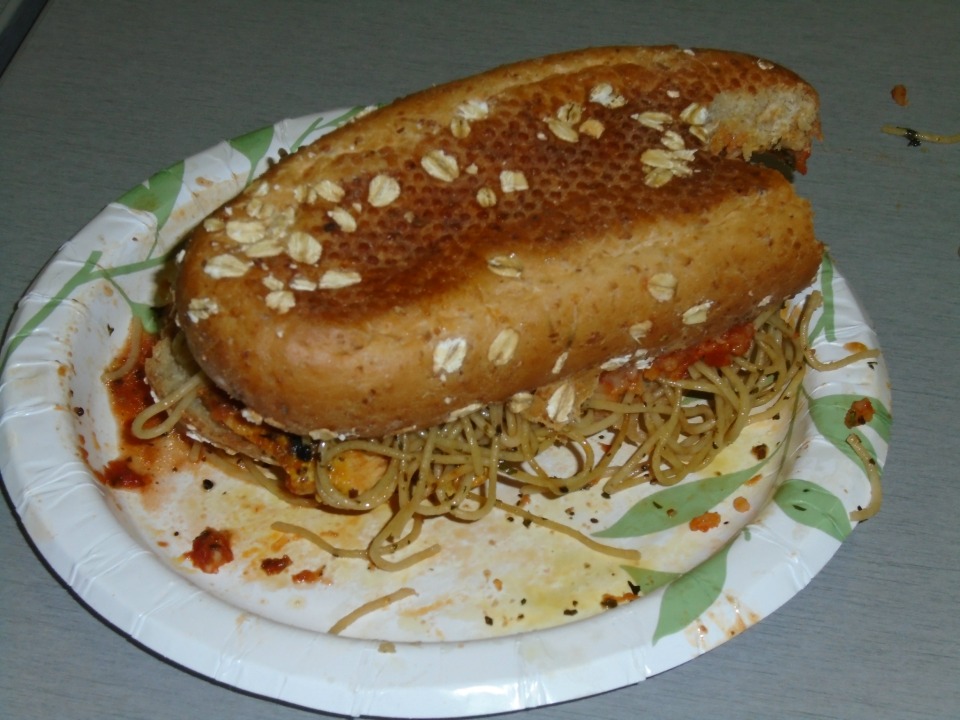 Photo: Jessica
The issue of healthy eating, versus the affordability of fast food, was also studied in depth by many of the photographers. "I took photos to compare and contrast why it is that healthier food costs so much, and junk food is only like $1 or $2," said Mercedes. "A lot of snack food is just that—it's a snack. But it doesn't fill you up."
"We get a lot of donated food at our house," Josh explained. "But a lot of it is unhealthy food, or is stuff that needs other ingredients, like Hamburger Helper. People think that donating junk food is helpful, but we get so much stuff in packages, and very little to create an actual meal."
In addition, many residents don't know how to cook. "I can't even cook rice; I burn it," said Jade, who lives in the building. Another resident agreed: "I like cooking, but it takes so much work."
The stress of finding enough to eat every month can amplify existing mental health challenges. "If I'm depressed, it's hard to think about going to the store and finding stuff to eat and then figuring out how to cook it," one resident said. Having to share a communal kitchen requires socializing, which can be difficult if someone is going through a rough time.
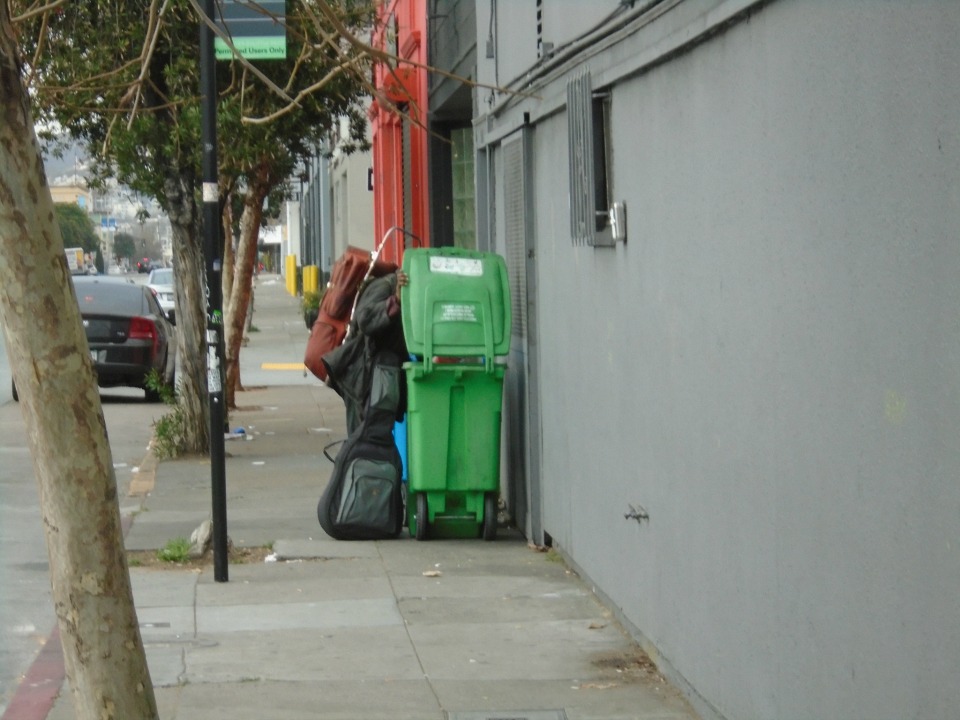 Photo: Josh
The group brainstormed some solutions as well, discussing ways that healthy food could be made more available to those with low funds, or those in transitional housing.
"In France, it's the law that every supermarket has to donate leftover food," said Josh, pulling up a Guardian article on his phone. Jade spoke up and said that she'd like to see grocery stores in SoMa doing the same thing—donating healthy food options that her neighbors in the building could choose from.
Cooking classes were also a common request, with many students just wanting to learn the basics of how to prepare a meal. And there was also a call for community gardens— the building used to have a garden on its roof, where residents could grow vegetables, but that's no longer the case.
To see all the photos in person and meet some of the photographers, swing by I Got Nothing's opening celebration on Wednesday, May 11th from 5-8pm at the Intersection for the Arts. If you can't make the opening, open hours for the exhibition will be held on Thursday from 5-8pm, Friday from 12-6pm and Saturday from 12-5pm.





