

























































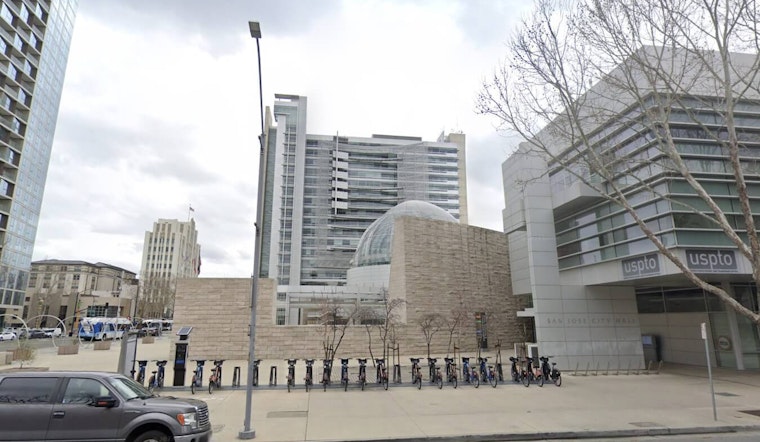
San Jose's City Council has decided to redirect approximately $12.3 million from affordable housing projects to interim solutions – an amount notably lower than the $38 million proposed by Mayor Matt Mahan. SiliconValley.com reported that this decision comes after months of intense discussions and debates surrounding the best course of action for addressing the city's homelessness crisis. While the council's decision may alleviate some of the tension between the various factions involved in the debate, the broader discourse regarding affordable housing in San Jose remains of great importance.
Mayor Mahan has been focused on implementing temporary housing solutions for San Jose's homeless population, with the ambitious goal of creating 1,439 temporary beds by 2030. To this end, he proposed diverting $38 million from Measure E – a 2020 ballot initiative passed by voters intending to create a dedicated revenue stream for affordable housing and homelessness – to fund interim projects such as tiny homes, hotel rooms, and safe parking sites. This plan sparked tensions within the city and among housing advocates, who argue that temporary housing, while necessary, can only serve as a stopgap and would ultimately cost more in the long run.
The recent City Council decision to allocate only $12.3 million from affordable housing to interim solutions represents a compromise between the opposing sides, brought about by councilmembers Dev Davis and David Cohen. This revised decision has significantly lessened the financial blow to affordable housing projects, but the debate over San Jose's Measure E dollars remains part of a larger conversation surrounding the most effective approaches for getting people off the streets. Interim housing solutions have been touted as quicker and less expensive alternatives to building new affordable housing, which can take many years. However, budget director Jim Shannon's analysis shows that funding interim housing solutions year after year could potentially cost the city upwards of $60 million annually by 2030, more than double the expected expenditure on interim housing next year.
Mayor Mahan's proposal sparked criticism from other angles as well. Some view the decision to shift resources away from affordable housing while increasing the police budget as ill-advised. While the policing proposal includes the addition of 31 new positions to address staffing shortages and increase the department's capacity, critics argue that addressing response times does not necessitate the hiring of more officers but rather a reduction in the types of calls to which officers respond, as we reported here on Hoodline earlier this month.
Despite the divided opinions on the best course of action for addressing homelessness in San Jose, it is clear that the ongoing debate will continue to shape the city's decisions surrounding housing policies, budget allocations, and competing priorities. With the recent $5.2 billion budget approved for the upcoming fiscal year, the city will need to navigate an anticipated surplus of $35.3 million this year and a potential shortfall of $18.8 million in 2024-25, as reported in the same SiliconValley.com article. This precarious fiscal situation will necessitate the careful consideration of the long-term consequences of San Jose's decision-making in these crucial areas, including the ongoing debate surrounding the allocation of resources between affordable housing and interim solutions.





