

























































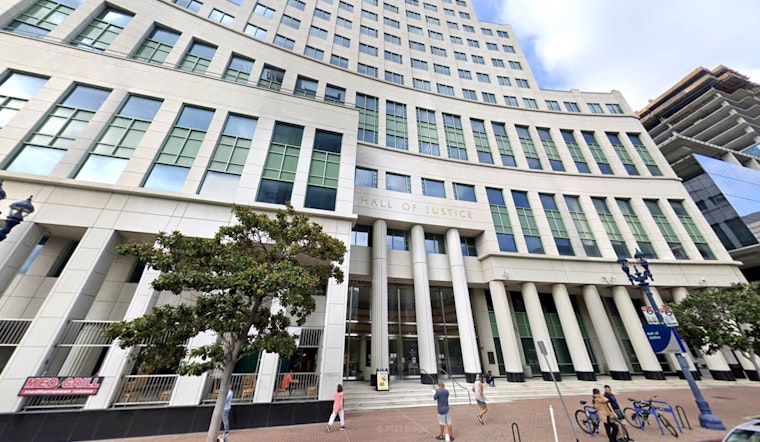
As the COVID-19 pandemic wreaked havoc on the lives of countless individuals, it also exposed some immoral opportunists. Matthew Lombardo, a 54-year-old former Scripps Health employee, received a three-year prison sentence for his role in a pandemic unemployment insurance fraud case per the Southern District of California. Following the completion of his sentence, Lombardo will be on supervised release for three years and must pay restitution.
In July 2021, Lombardo and other defendants were charged in two separate indictments for submitting fraudulent claims to California's Employment Development Department (EDD), which administers unemployment benefits for those affected by the pandemic reported the San Diego Union-Tribune. The indictment alleged that Lombardo, who worked as a patient service representative at Scripps Health, shared the names, dates of birth, addresses, Social Security numbers, and other identifying information of patients with his co-defendants to use in submitting fraudulent claims.
What sets this case apart from other pandemic-related fraud cases is the callous nature of Lombardo's actions. Deeply troubling text messages between Lombardo and his co-defendants reveal their deliberate targeting of vulnerable patients. In one text exchange, Lombardo informs a co-defendant of a patient who had died a few hours ago, asking if they needed any more names for the fraud per the U.S. Attorney's Office. He even expresses his willingness to provide Social Security numbers of the deceased. The co-defendant's response, requesting a patient who is "55 or younger who is on their way out," further highlights the reprehensible nature of their scheme.
Lombardo pleaded guilty in October 2022 to one count each of conspiracy to commit wire fraud and using confidential health care information for personal gain, as well as two counts of aggravated identity theft according to the San Diego Union-Tribune. In a sentencing recommendation, U.S. Attorney Randy Grossman stated that Lombardo's sentence "must adequately deter other individuals from using the personal data of hospital patients for nefarious purposes."
In addition to demonstrating blatant disregard for the well-being of vulnerable patients, Lombardo's actions took much-needed pandemic assistance away from families in dire need. U.S. District Judge Cathy Ann Bencivengo highlighted this fact during the sentencing, expressing discomfort about the callous text messages.
Before his sentencing, Lombardo, who has had a history of opioid addiction related to a 2008 car accident, expressed remorse for his actions as reported by the San Diego Union-Tribune. Defense attorney Robert Swain requested leniency for Lombardo, arguing that he has a "desire to reform, go back to his partner and be a contributing member of the community."





-4.webp?w=160&h=400&fit=crop&crop=edges)