

























































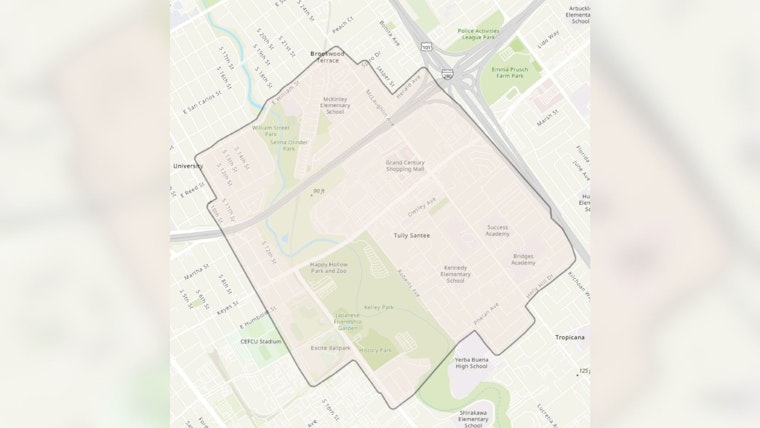
Years after a record 55 fatalities linked to the West Nile Virus (WNV) in California, the city of San Jose is contending with the disease once more. The County of Santa Clara Vector Control District has recently confirmed the presence of WNV-positive mosquitoes in some areas of the city (ZIP codes 95112, 95116, and 95122) according to a press release.
ALERT! West Nile virus infected mosquitoes have been detected in a small portion of the county. A mosquito control treatment will take place in part of the 95112, 95116 and 95122 zip-codes on Tue. 8/29, at 10PM and last for a few hours. More info at https://t.co/lGgJVVqBRI. pic.twitter.com/wfLkVmUZcZ
— County of Santa Clara Vector Control District (@SCCVCD) August 25, 2023
Weather permitting, the district will carry out mosquito control treatments on August 29th, using truck-mounted equipment to reduce adult mosquito populations in the affected areas. The treatment is expected to take a few hours, beginning from around 10 p.m. This is an added precaution in the district's mosquito management plan, which emphasizes preventing these insects from developing into adult biters by targeting them during their immature stages.
It's crucial to promptly address WNV-positive mosquito cases, as any delay in treatment could pose a significant threat to public health and safety, potentially resulting in vector-borne illness or even death. The treatment aims to reduce mosquito populations and lower the risk of human infections.
West Nile Virus generally becomes more prevalent during warm summer and early fall months, when mosquitoes thrive. In response, the district has implemented a dedicated surveillance program to detect WNV, St. Louis encephalitis, and western equine encephalitis – all mosquito-borne diseases. Surveillance data helps identify areas at higher risk of hosting disease-transmitting mosquitoes.
Since 2003, the district has regularly employed truck-mounted treatments to curtail WNV-transmitting mosquito populations. The insecticides used for these treatments come with an endorsement from the EPA and have been widely adopted by vector control agencies throughout California. These treatments pose minimal risks to humans, pets, and the environment when applied by a licensed vector control professional. Although experts consider the treatments safe, they recommend that residents keep their windows and doors shut during the process and keep family members and pets indoors as a precautionary measure.
Since the WNV entered California in 2003, over 7,000 people across the state have contracted the disease, with nearly 400 fatal cases. For most people, WNV infection does not cause symptoms, but for some, it can lead to severe, life-threatening neurological complications. People with chronic medical conditions, such as diabetes, high blood pressure, cancer, and kidney disease, as well as the elderly, are particularly vulnerable to serious complications from the virus.
Residents are encouraged to help combat the spread of WNV by focusing on mosquito control measures in their own homes. Clearing standing water and debris, fixing leaky outdoor faucets, and ensuring that window and door screens are in good condition are just a few steps people can take to reduce breeding grounds for mosquitoes. Additionally, limiting outdoor activities during dusk and dawn and wearing long-sleeved clothing and insect repellent can also help reduce the risk of mosquito-borne diseases.
For free assistance with mosquito control or other vectors, residents can either contact the County of Santa Clara Vector Control District office or submit an online service request. Furthermore, residents looking for information on WNV can consult the dedicated West Nile Virus Hotline at (408) 282-3114 from Monday to Friday between 7:30 a.m. and 3:30 p.m. or submit their questions via email to [email protected]. The district offers free mosquitofish online for placement in neglected pools, spas, ornamental ponds, water troughs, and other bodies of water to help reduce vector populations.





