

























































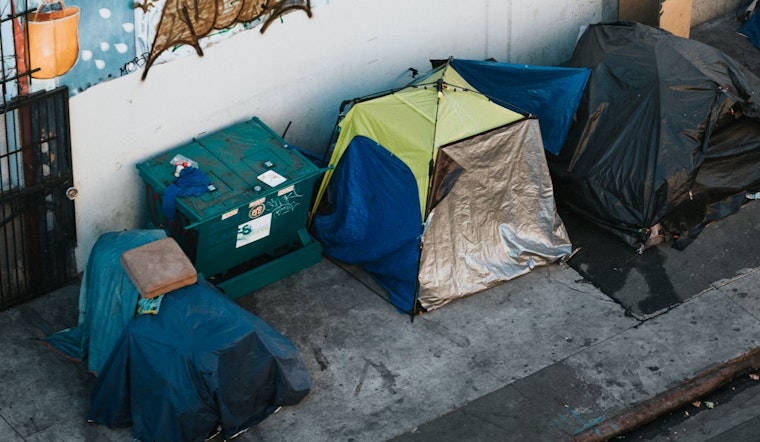
In the wake of San Diego's controversial homeless camping ban, which began enforcement just a few days ago, neighboring city Chula Vista is reportedly experiencing a significant surge in its homeless population, adding further strain to its resources and creating potential consequences for its community. While the ban is intended to mitigate the homelessness crisis in San Diego, the side effect of displacing individuals to neighboring areas like Chula Vista could turn a difficult situation even worse, especially for those who call Chula Vista their temporary home.
According to NBC San Diego, Chula Vista-based non-profit Community Through Hope, which provides services to the city's homeless population, has seen distressing growth in demand in recent weeks. Executive Director Sebastian Martinez stated that even before San Diego's ban was announced, the organization was already experiencing a steady flow of clients, but now, their count has skyrocketed from a typical 40 to 60 people per day to an astonishing 100 to 150 individuals daily.
Trying to address the surge in Chula Vista's homeless population, the city's officials have proposed a number of remedies, including converting the 30-unit Palomar Motel into housing for the homeless, complete with a safe parking lot for those living in their cars, as Hoodline San Diego reported earlier this month. If approved, it would be the first motel-to-housing initiative with safe parking in South County and could prove to be a helpful step, providing much-needed housing and at least one potential solution to the growing homelessness crisis plaguing the region.
However, the availability and pace of such solutions are heavily reliant on Chula Vista's ability to secure resources and funding in a timely manner, which may prove to be challenging amidst the increased demand being placed on the city. In addition, Chula Vista must address the root causes of homelessness, such as affordable housing, mental health support, and substance abuse services, to effectively tackle this ever-growing problem, rather than merely providing temporary, reactionary measures. San Diego Union-Tribune notes, the city recognizes the challenges and expects ripple effects from neighboring policies and is willing to work with agency partners to address the homelessness crisis collectively.
Meanwhile, the effectiveness of San Diego's homeless camping ban continues to be a topic of debate, as Hoodline reported on August 5 that, until that point, 30 individuals had been found in violation, with three arrests for outstanding warrants and two citations issued. While officers anecdotally claim that the number of homeless people in popular encampment areas like Balboa Park is reducing (and that has likely progressed since then), critics still argue that measures such as these do not address the root causes of the issue and may only serve to displace the homeless population to neighboring cities like Chula Vista rather than providing tangible solutions.
It remains to be seen whether Chula Vista's proposed initiatives and efforts to cope with the sudden increase in homeless people will alleviate the unique challenges the city now faces or potentially backfire, exacerbating an already dire situation. As both San Diego and Chula Vista navigate the complex issues surrounding homelessness, these neighboring cities must work together, recognizing their shared responsibility to address the crisis in a comprehensive and compassionate manner, thereby ensuring the well-being of their entire community.





