

























































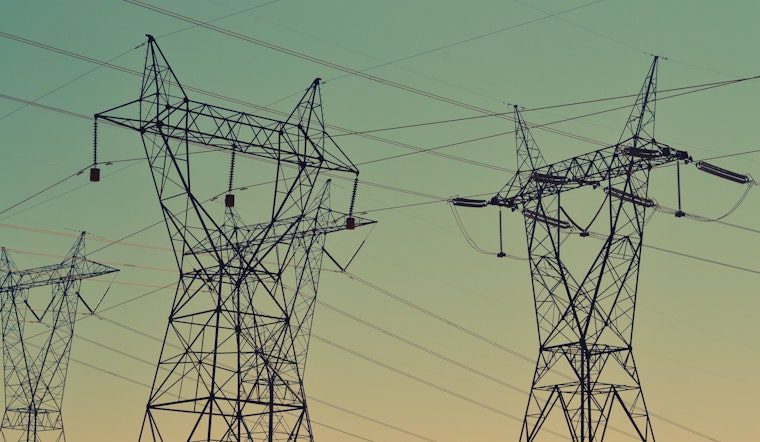
In a bold move to potentially reshape its energy landscape, the San Jose City Council is set to vote on the possibility of creating a city-run power utility, dubbed "San Jose Power," which could potentially bypass Pacific Gas and Electric's (PG&E) slow-moving backlog and provide faster power access to its citizens.
The city-owned utility would take advantage of two new high voltage direct current transmission lines coming through San Jose and focus on powering key infrastructure sites like the San Jose Mineta International Airport and Diridon Station substations, which reportedly need power, rebuilding, and expansion. The goal is to get reliable, resilient, and lower cost power to areas in need, and potentially save 15% to 25% on electricity costs for customers.
Although current San Jose Mayor Matt Mahan clarified that this week's vote will not immediately commit the city to launching a municipal utility, it could set them on a path of exploration, allowing them to gather vital information and analyze the potential impacts. Mayor Mahan expressed hope that tapping directly into new transmission lines coming into San Jose would give the city more direct control over its energy destiny and facilitate quicker economic development.
However, not everyone is as enthusiastic about the idea of a city-owned power utility. The International Brotherhood of Electrical Workers (IBEW) Local Union 1245 expressed concerns in an Aug. 8 letter to the city, citing the potential impact on their union members working for PG&E and the unknown cost factors associated with launching a city-owned utility per San José Spotlight. PG&E has also opposed the proposal, questioning San Jose's ability to provide lower rates due to the costs of starting a new utility and the potential challenge of recruiting a qualified workforce to run the new grid as reported by NBC Bay Area.
Despite some opposition, the idea of a San Jose-owned public utility dates back to former Mayor Sam Liccardo's term, when the city faced rolling blackouts and sought alternative energy solutions. Additionally, the potential savings and increased control over energy distribution could be attractive to manufacturers and other businesses looking to establish roots in the city. This includes artificial intelligence companies that require significant infrastructure to support data-heavy operations.



