

























































Earlier today, Dana L. McIntyre, aged 59, a former North Shore resident and ex-owner of Rasta Pasta Pizzeria in Beverly, Massachusetts, was sentenced in connection with filing fraudulent applications for over $660,000 in Paycheck Protection Program (PPP) loan funds and using those funds for personal expenses, including buying an alpaca farm in Vermont. He received a two-year prison sentence, along with a three-year supervised release, and was ordered to pay $679,156 in restitution and forfeiture. Back on April 13, 2023, McIntyre had pleaded guilty to four counts of wire fraud and three counts of money laundering, according to the official press release from the Department of Justice'.
As the COVID-19 pandemic gripped the country in 2020, McIntyre took advantage of the relief funds meant to provide aid to struggling businesses. In a statement from Acting United States Attorney Joshua S. Levy, McIntyre's actions were described as theft from the American taxpayers and small businesses in dire need of assistance during a national emergency. Levy emphasized the government's commitment to finding and holding accountable those who used stolen money for personal gain, regardless of whether they bought luxury items or exotic animals, such as alpacas.
Special Agent in Charge Jodi Cohen of the Federal Bureau of Investigation's Boston Division also condemned McIntyre's selfish criminal conduct: “Dana McIntyre capitalized on a national catastrophe and stole hundreds of thousands of dollars from a limited pool of money set aside to help struggling businesses, to buy a farm, stock it with alpacas, and make a fresh start for himself in Vermont.” The statement further detailed the FBI's determination to aggressively pursue others who have abused the economic relief program for personal benefit.
By stealing from pandemic-related government assistance programs, McIntyre betrayed the good intentions of the American taxpayer, echoed by Special Agent in Charge Christina Scaringi with the U.S. Department of Housing and Urban Development (HUD), Office of Inspector General (OIG). Scaringi assured that the sentencing serves as a reminder of the consequences faced by those who defraud such assistance programs and that HUD OIG would continue to collaborate with law enforcement partners in ongoing efforts to prevent and punish COVID fraud.
McIntyre demonstrated a pattern of deception and fraud throughout the duration of the pandemic. In March 2020, he used the names of his adult children to submit two fraudulent applications to the U.S. Small Business Administration (SBA) for Economic Injury Disaster Loans (EIDL) for nonexistent businesses. He proceeded to apply for and receive Pandemic Unemployment Assistance (PUA) benefits by falsely claiming that he was not working or receiving income due to the pandemic, while in reality, he was still operating his restaurant and paying himself income. By September 2020, when McIntyre sold the restaurant, he had received over $17,000 in PUA and related benefits that he was not entitled to receive.
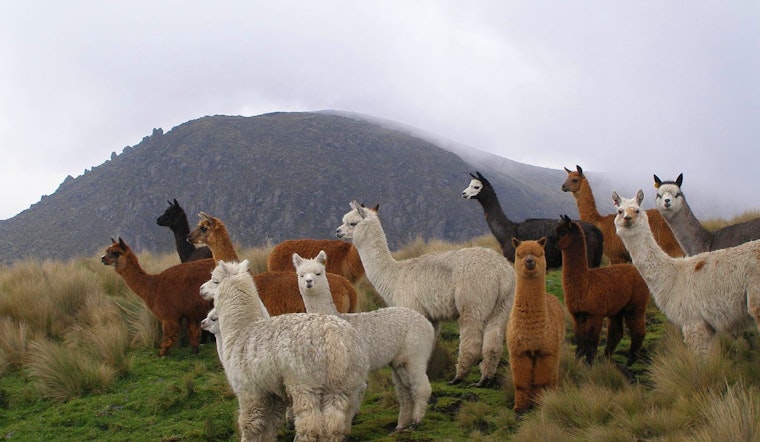
In April 2020, McIntyre applied for a PPP loan of over $660,000 via an SBA-approved lender. On his application, he inflated the number of employees and payroll expenses for his pizzeria and falsified an official tax form to qualify for a larger loan amount. After obtaining the loan, McIntyre used nearly all of the funds to buy a farm in Vermont, along with eight alpacas, and other personal expenses, including two vehicles and airtime for his crypto-currency themed radio show, as reported by the Department of Justice.
The COVID-19 Fraud Enforcement Task Force was created on May 17, 2021, to organize the Department of Justice's resources in collaboration with other government agencies. Their objective is to enhance efforts to fight and prevent pandemic-related fraud by investigating and prosecuting domestic and international criminal actors. The Task Force also aims to help agencies dealing with relief programs by sharing information gained from previous enforcement efforts, identifying resources, and uncovering fraudulent actors and their schemes (source).
The Department of Justice encourages those with information about allegations of attempted fraud involving COVID-19 to report it by calling their National Center for Disaster Fraud (NCDF) Hotline or via the NCDF Web Complaint Form.





