

























































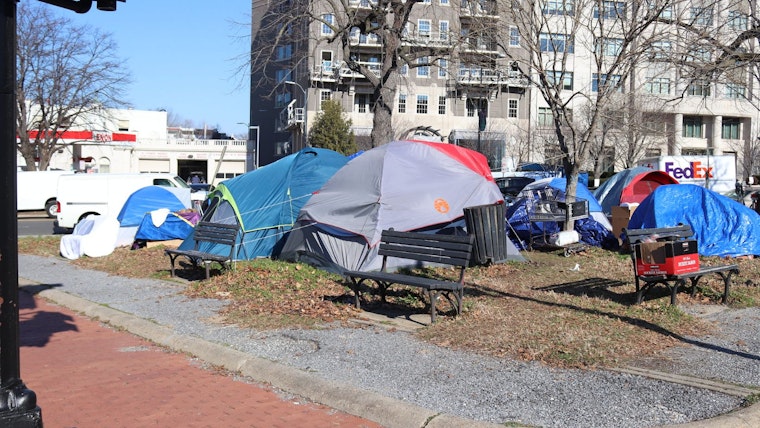
Alameda County supervisors, recognizing the dire need for drastic solutions, voted to declare a county-wide state of emergency on homelessness yesterday. This declaration aims to secure additional funding throughout the county and directs the Office of Homeless Care and Coordination to devise a response plan in 60 days with specific steps for addressing the escalating crisis, according to the County of Alameda's recommendation.
According to a 2022 Point-in-Time count, Alameda County was home to at least 9,747 unhoused residents, an alarming 73% increase since 2017, and the number is likely to continue spiraling upward without immediate action. The high rent burden in the county has played a significant role in this crisis, with 40% of those unhoused struggling with at least one permanent disability and receiving a maximum state disability benefit of just over $1,000 a month. The growing inaccessibility of affordable housing is further exemplified by the average studio apartment rent exceeding $1,500 in Alameda County.
In addition to the financial burdens, homelessness also disproportionately affects the African American population in Alameda County. While African Americans only account for approximately 10% of the county's total population, they represent a staggering 43% of the homeless population per ABC7 news.
The consequences of homelessness on individuals are devastating. A recent Alameda County 2021 Homeless Mortality Report highlights that the number of annual homeless deaths grew drastically between 2018 and 2020, resulting in 1,157 homeless residents losing their lives during those three years, as mentioned in the County of Alameda document. The age-adjusted mortality rate for those experiencing homelessness in 2021 was 5.8 times that of the general population in the county.
Proclaiming a local State of Emergency on homelessness could equip Alameda County with additional tools to combat this crisis, such as accelerating the hiring of additional employees, more effective use of funds, expediting procurement and creation of housing, and requesting extra resources from the State and Federal governments.





