

























































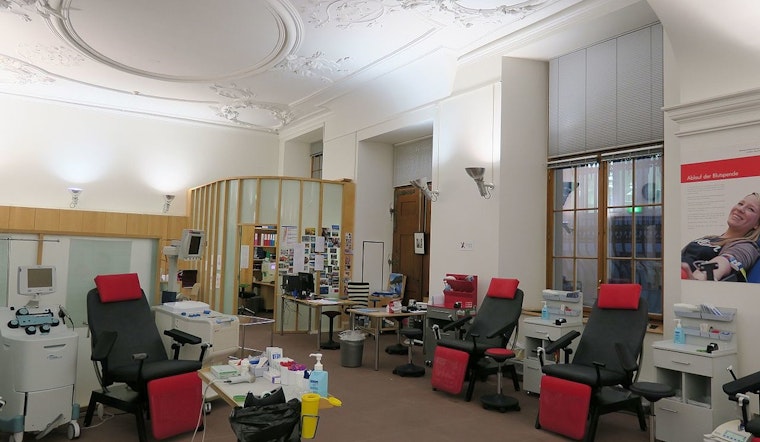
Three major blood suppliers for Chicago hospitals have recently issued a warning of potential rationing as blood inventory levels have reached a crisis point. In the wake of the COVID-19 pandemic and a decline in donations, the American Red Cross of Illinois, Versiti, and Vitalant have made an urgent appeal for more people to donate blood to help avert this critical situation, according to the Chicago Tribune.
Versiti, which supplies blood to 85 area hospitals, has seen its inventory drop from a preferred 10,000 units to a dangerously low 2,800 units. The average patient requires 5 to 6 units of blood, with some requiring up to 40 or 50 units. A tragic event could easily exhaust the current supply, says Amy Smith, area vice president for Versiti.
Considering that it takes up to three days to test blood before it can be used, there is an urgent need for donors to step up and, more importantly, become regular donors to prevent future shortages. Smith emphasizes that the need for blood is an ongoing concern, and hospitals rely on a steady inflow of donations from community members willing to do their civic duty.
While some major Chicago-area hospitals like Northwestern Memorial Hospital and Rush University Medical Center have not yet experienced issues directly related to the blood shortage, they are aware of the situation and encourage people to donate, as reported by the Chicago Sun-Times.
Blood suppliers are doing their utmost to prioritize where to send blood, explains Joy Squier, the Red Cross of Illinois spokesperson. The fact that hospitals haven't felt the shortage is a testament to their efforts. The American Red Cross, which declared a national blood shortage on September 11, plays a vital role in supplying the Chicago area's major hospitals and providers.
Donations to the Red Cross fell by 25% in August, likely attributed to vacations, back-to-school plans, and summer busyness. However, the need for blood remains constant, as emphasized by Squier, who urges people to make appointments in the coming days and weeks to help replenish the blood supply, especially for those with Type O blood.
Blood donations cannot be stockpiled when people aren’t donating, and the 42-day shelf life necessitates constant replenishment. Jamie Lauer, who leads mobile blood drive organizing for Vitalant, highlights that the "bread and butter" donor base has been disrupted since the pandemic, as businesses that used to offer blood drives have now seen many employees switch to remote work.
Vitalant, which has not yet made a public appeal for more blood, says donations are down 20% since 2019, with a sharp drop seen this summer, reports the Chicago Tribune. According to Lauer,
The organization is in critical need of platelet donations for patients dealing with cancer, organ transplants, and open-heart surgery. The more people who donate, the more easily hospital patients can avoid delays in care.
Eligible donors are encouraged to make an appointment to donate blood at versiti.org, redcrossblood.org, or vitalant.org. Your efforts can make a difference by stepping up, donating blood, and helping the community as a whole.





