

























































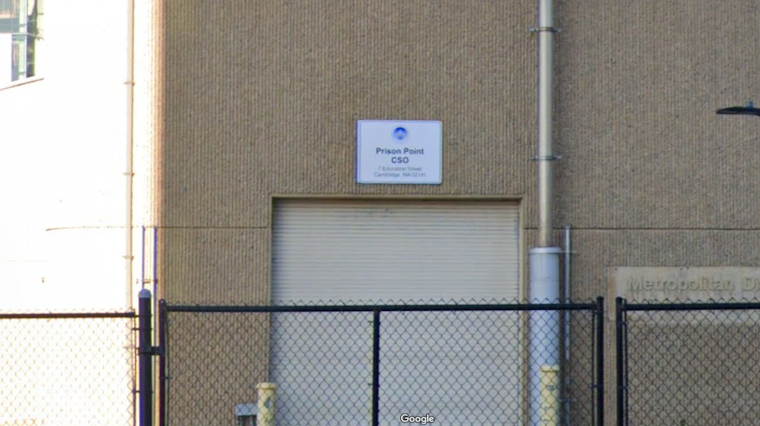
Yesterday, a public health warning was issued in Boston due to an ongoing sewage discharge that began in the city's Upper Inner Harbor and Charlestown areas. State regulations necessitate that local public health departments provide notice to the public when these incidents occur and could potentially pose risks to public health, particularly if the discharge lasts for more than two hours. The Massachusetts Water Resources Authority (MWRA) has reported that overflow MWR203, located at Prison Point in Charlestown near the Charles River Dam, began at 2:45 p.m. and continues to pose an ongoing threat to residents, according to a Boston.gov news release.
City authorities and the MWRA have maintained a continuous effort to enhance the sewerage systems across the region, with the aim of diminishing the probability of such incidents. However, the long-term consequences of these discharges on the affected communities can be both detrimental and far-reaching, prompting the need for increased vigilance in monitoring and addressing these occurrences.
Boston's situation is far from being an isolated incident, as cities across the country to continually address and work to prevent sewage overflow issues. In 2022, Minneapolis experienced a CSO due to heavy rainfall, which resulted in the release of 9.77 million gallons of untreated wastewater into the Mississippi River. The Minnesota Pollution Control Agency (MPCA) reported that the incident lasted for several hours and caused significant environmental and health concerns for residents of the city and downstream communities MPR News.
For updates on this event and related public health advisories, the public is encouraged to check the Massachusetts Water Resources Authority website and the Boston Water and Sewer Commission.





