

























































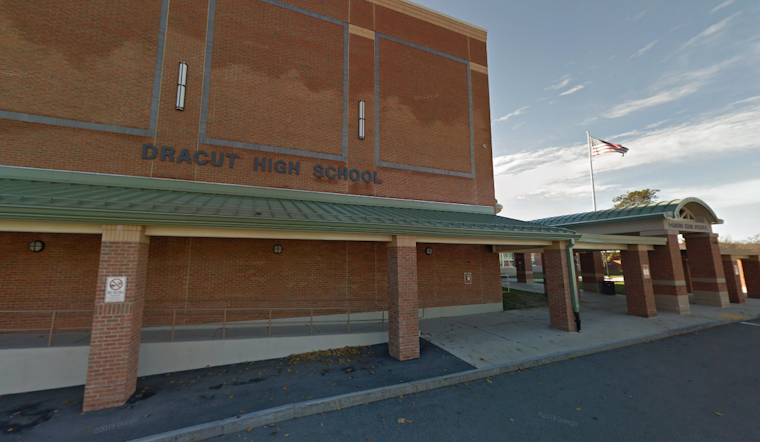
The high school football season at Dracut High School in Massachusetts was on the brink of cancellation due to a dwindling roster, but finding a way to team up with Innovations Academy Charter School has provided a temporary solution to the problem. Coming together in a co-op for a year, the two schools have managed to provide a football season for their students, but questions about the program's long-term viability persist.
According to NBC Boston, the number of eligible football players on Dracut High's roster had fallen to a meager 20, with only 17 physically cleared to play. This situation had left parents anxious and frustrated, fearing that their children would miss out on crucial athletic opportunities and, for the seniors, potential scholarships.
Following an outpour of concern from parents and students, the school administration found a viable solution. By entering into a one-year co-op agreement with nearby Innovations Academy Charter School, the football season was saved, and parents couldn't be happier. Neala Richardson, mother of one of the players, expressed relief after the announcement, stating, "He's just so happy."
The circumstances in Dracut are not an isolated phenomenon, as football programs across the country face similar challenges. In October 2022, the National Federation of State High School Associations reported a 3% decline in nationwide boys' 11-player football participation. This drop in participation has raised concerns about the future of the sport, particularly in smaller communities where the decline is felt the strongest. One contributing factor to this decline might be the increasing awareness of potential health risks in football, such as concussions and chronic traumatic encephalopathy (CTE), as CBS News Boston reported.
In Dracut, parents suspected that the school's losing record of 13 wins and 33 losses over the last five seasons had played a role in this lack of enrollment alongside possible administrative and funding issues. An article from The Lowell Sun highlighted the frustration of parents who felt the school administration had failed to act proactively in addressing the dwindling numbers and potential mergers.




