

























































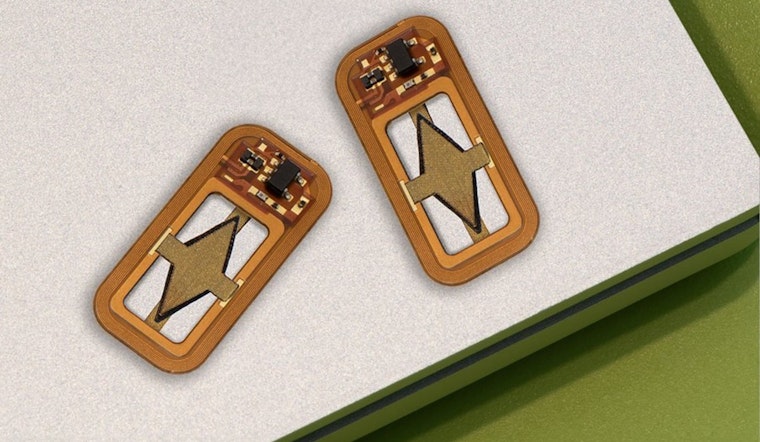
Researchers from MIT have developed a living medical device capable of reversing diabetes in mice without the need for insulin injections. The new device, which is about the size of a stick of chewing gum, holds the potential to transform the lives of millions affected by the chronic condition. According to WHDH News, the team's work could herald a future without needles for people with diabetes.
An implanted “living medical device” could manage diabetes without injections. It contains cells to make insulin, fed by a tiny on-board oxygen factory. says. https://t.co/wbDFycuy6R pic.twitter.com/UuArM6mb9S
— Massachusetts Institute of Technology (MIT) (@MIT) September 19, 2023
The innovative device functions by housing insulin-producing cells under the skin. These specialized cells continuously monitor blood glucose levels and release insulin as required, effectively replacing the function of the pancreas in individuals with diabetes. As Gizmodo reports, research in this area is still in the early stages; however, the MIT scientists envision that the device could be used for other medical conditions that depend on a regular supply of externally produced proteins, such as certain forms of anemia treated with erythropoietin.
MIT researcher Siddharth Krishnan was quoted in Global Village Space as saying, "What we've been able to show is that with a device just sitting under the skin, we've actually been able to achieve a diabetic reversal that is kind of curing diabetes in an animal model for about a month now." If the device proves successful in human trials, it could revolutionize diabetes management by eliminating the need for painful finger pricks and injections, improving patient adherence and overall well-being.
Despite the promising results in animal models, the MIT research team acknowledges that further testing is needed to ensure the device's safety, efficacy, and long-term effects on diabetes management in humans. The next step involves conducting clinical trials to evaluate the device's performance in real-world scenarios. These trials will assess factors such as the device's accuracy in monitoring blood glucose levels, its ability to respond promptly to fluctuations, and its long-term durability.





