

























































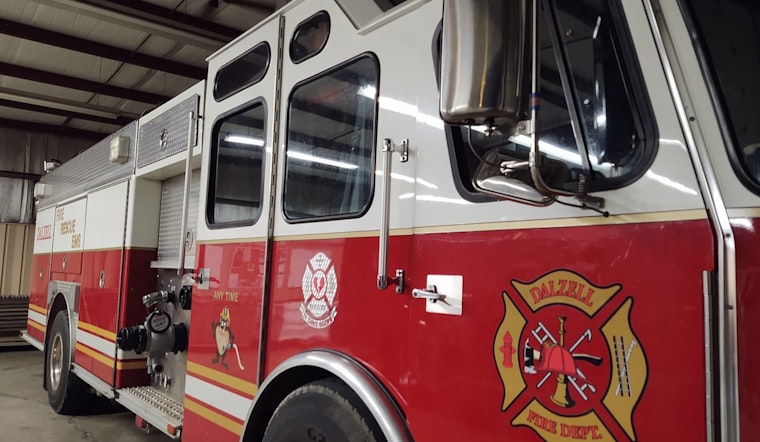
The steady decline of the volunteer firefighter force is reportedly ongoing in Illinois. As Chicago Tribune reported, the small town of Dalzell's largely volunteer-run fire department is stretched thin, sending an alarming signal about the state of public safety in the town and nationwide. This worrying trend is traced to a complex combination of factors, including a waning interest in volunteering, economic strain, decreased community involvement, and even, a housing shortage.
In an effort to stem this crisis, municipalities are increasingly reliant on federal grants to fund neighboring agencies and part-time support. But experts caution that if the situation continues to worsen, the public's safety could be gravely impacted. Fire departments are exploring strategies such as continuous recruitment, targeting underrepresented groups like women and people of color, and seeking legislative support through tax breaks and training opportunities.
As this issue is not limited to Dalzell, fire departments across Illinois grapple with similar challenges. Citing a lack of funding and a struggle to retain trained staff – who often leave for higher-paying positions elsewhere – some departments have even lowered their entry requirements to attract more candidates on the professional side too, according to Shaw Local. The Associated Firefighters of Illinois has introduced a resolution to create a task force including a variety of stakeholders, such as firefighters and paramedics, to discuss ways to boost recruitment and retention efforts.
The task force also recognizes the importance of funding in effectively operating fire departments. Departments' ability to sufficiently protect their community could affect insurance rates and community safety. As such, the task force plans to consider topics like minimum requirements, regional apprentice programs, state funding, training grants, and possibly, other incentives to improve recruitment and retention rates.
WGLT highlighted another contributing factor to the dwindling volunteer workforce: a housing shortage. Normal Firefighters IAFF Local 2442's Matt Hill said the lack of housing in the community has made recruitment efforts increasingly difficult. Prospective firefighters may be dissuaded from applying if they cannot easily sell their current residence and find affordable housing in the area. Such issues could deter candidates or have them looking for jobs elsewhere, prompting concerns for current firefighters who must work overtime shifts due to staff shortages.
To address this housing challenge, Hill suggested that the Town of Normal might consider expanding the required residency radius to attract more applicants. Despite the potential downside of lengthier response times, Hill believes that widening the recruitment perimeter could be helpful in sourcing more applicants.
As fire departments continue to face dwindling numbers, the possibility of public safety hanging in the balance can not be ignored. The solutions provided, from continuous recruitment and targeting underrepresented groups to housing and legislative support, remain crucial avenues for exploration. The future of these departments, and indeed, the communities they serve, may depend on the successful implementation of these strategies as they aim to navigate this ongoing volunteer crisis.



