

























































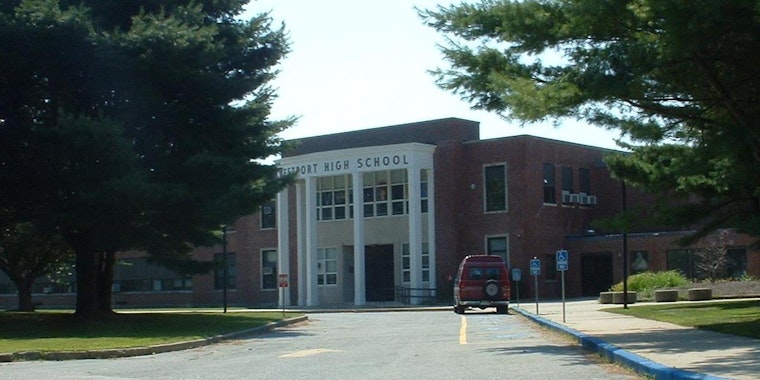
When an English teacher at Westport High School in Massachusetts recently decided to read Atwood's collection of short stories, "Happy Endings," aloud to their sophomore class, the explicit content sparked a controversy, ultimately leading to the teacher being placed on administrative leave, according to CBS News.
"Happy Endings," a collection of short stories by acclaimed Canadian author, Margaret Atwood, discusses various controversial and mature topics such as sex, infidelity, drugs, and suicide. One anonymous Westport mother expressed her dismay, saying that the explicit sexual content of the stories was not age-appropriate for her sophomore daughter and should rather be taught at home instead of the classroom, as reported by Fall River Reporter.
Following the parent's complaint, Thomas Aubin, the Superintendent of Westport Community Schools, told CBS News that "Happy Endings" was not part of the school curriculum and that the teacher has been put on administrative leave pending an investigation. Aubin emphasized that the primary goal of the school administration is to protect the emotional and academic safety of their students.
However, this controversial decision has ignited a debate around the freedom of speech, the role of literature in education, and the responsibility of educators in selecting appropriate materials for their students. Craig Dutra, a Westport parent whose children have been students of the same English teacher, expressed his support for the teacher's decision. Dutra told the Daily Caller that he sees nothing objectionable in the content, as he is a "big First Amendment person."
In an open letter to the Fall River Reporter, David Ehrens defended the teacher's decision, arguing that the collection of short stories serves more as a catalyst for classroom discussions on writing, rather than an explicit, literary tale. Ehrens claimed that there should be no confusion about why the teacher chose "Happy Endings" to illustrate certain truths about writing.




