

























































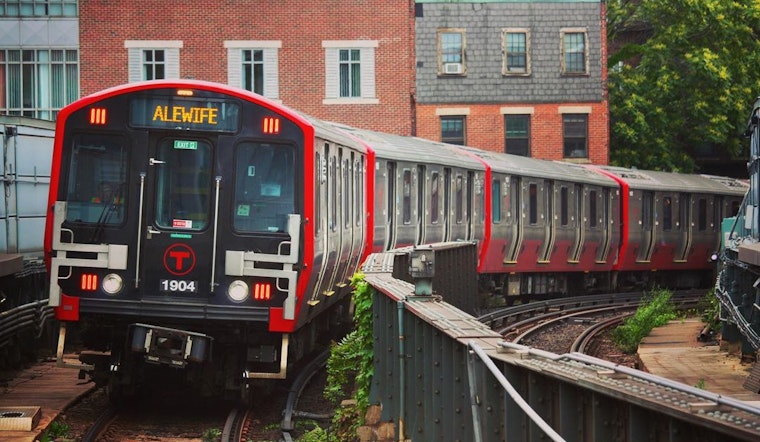
Fears surrounding safety on the Massachusetts Bay Transportation Authority (MBTA) have been thrust back into the spotlight. According to a poll conducted by the Boston Herald, 70% of current and former MBTA riders have felt unsafe while utilizing the transit system. The poll surveyed 1,000 residents from the 175 communities that the MBTA serves
These concerns over safety take a toll on the overall impressions of the system. For instance, riders who felt unsafe on the MBTA gave each service provided by the agency a significantly lower rating. Furthermore, only 45% of current and former riders believe that the MBTA will improve in 10 years, and 16% predict a worse future for the system’s service.
This ominous outlook stems from recent critical reviews concerning track maintenance safety. One such report found track inspection teams were often unqualified, inexperienced, or both, leading to an increased risk of accidents. MBTA General Manager Phillip Eng has publicly acknowledged the need for improvement, stating, "As an agency, we need to evolve. The status quo is unacceptable."
Despite these current struggles, there is still a divided opinion about the future of the transit system. A MassINC Polling Group survey found that 45% of respondents believed the MBTA would be better in a decade, while a nearly equal percentage thought it would remain stagnant or worsen.
Only 28% of respondents rated the quality of the subway and trolley service as at least good, as reported in another publication, while, 35% found the quality of bus service to be at least good, and 42% rated the commuter rail as good to excellent.
These concerns have also had an impact on the transit agency's ability to bounce back from the pandemic. Ridership still hasn't returned to pre-COVID numbers, with many former riders citing reasons such as working from home, choosing alternative transportation options, and expressing worries about the MBTA's speed and reliability. While some factors are beyond the MBTA's control, two crucial elements could potentially entice more riders back: free rides and more reliable service. More than half of the respondents claim that these changes would make them more inclined to use the system in the future.
As the MBTA aims to navigate the challenges ahead, the unveiled public sentiments provide a clear indication that the system's improvement is long overdue. As MassINC senior research director Rich Parr aptly noted, "The safety issue is kind of a baseline thing that the T needs to provide to people. They need to think that they're going to be safe when they're riding the T."





