

























































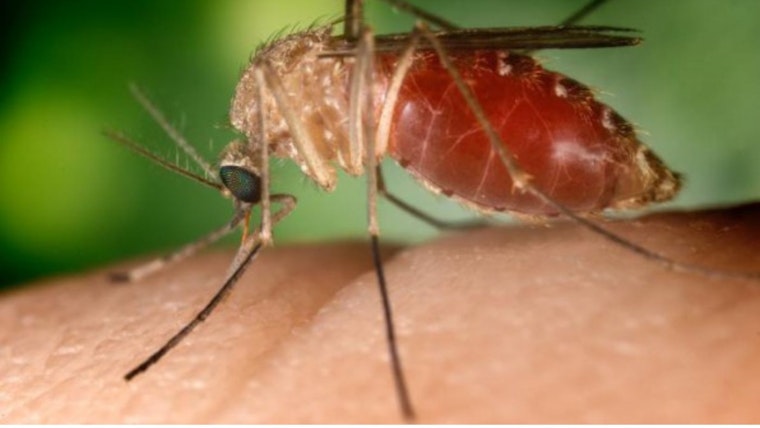
A batch of mosquitoes collected from the north end of Los Peñasquitos Lagoon, adjacent to Del Mar and parts of San Diego, tested positive for the West Nile virus yesterday. According to the San Diego County News Center, county officials have since released a set of guidelines under the initiative "Prevent, Protect, Report" to help residents guard against mosquito-borne illnesses.
A batch of mosquitoes collected from the north end of Los Peñasquitos Lagoon adjacent to Del Mar and parts of San Diego recently tested positive for West Nile virus. https://t.co/a9QMi8lo6r
— SanDiegoCounty (@SanDiegoCounty) September 20, 2023
While these findings mark the first detection of the disease in mosquitoes this year, no human cases of locally contracted West Nile virus have been reported thus far. The symptoms of an infection, for those who do become affected, are typically mild and may include headaches, fever, nausea, fatigue, skin rash, or swollen glands. However, rare cases can lead to extreme illnesses and death. In 2015, 44 San Diego County residents tested positive for West Nile virus, resulting in the deaths of six individuals.
West Nile virus is primarily a bird disease, but it can be transmitted to humans if local mosquitoes first feed on an infected animal, mainly birds, and then bite people. According to the County News Center, some invasive types of mosquitoes can potentially transmit other diseases not naturally found in the area, including chikungunya, dengue, and Zika, but only if they first bite an infected person.
The San Diego County "Prevent, Protect, Report" guidelines comprise three main areas of focus:
1. Prevent mosquito breeding
Residents are encouraged to dump out or remove any items inside or outside their homes that can hold water, such as plant saucers, rain gutters, buckets, garbage cans, toys, old tires, and wheelbarrows. Mosquito fish, which can be obtained for free by contacting the Vector Control Program, can be used to control mosquito breeding in stagnant pools, ponds, fountains, and horse troughs.
2. Protect yourself from mosquito bites
Wearing long sleeves and pants or using insect repellent when outdoors can help protect against mosquito bites. Approved insect repellents include those containing DEET, picaridin, oil of lemon eucalyptus, or IR3535. It is also important to ensure that screens on windows and doors are in good condition and securely fastened to keep insects out.
3. Report possible mosquito activity and dead birds
Increased mosquito activity, stagnant green swimming pools, and other mosquito-breeding sources, as well as dead birds (crows, ravens, jays, hawks, and owls), should be reported to the environmental health Vector Control Program by calling (858) 694-2888 or emailing [email protected].
For additional information on how to prevent and protect against these diseases, visit San Diego County's "Fight the Bite" website.





-4.webp?w=160&h=400&fit=crop&crop=edges)
