

























































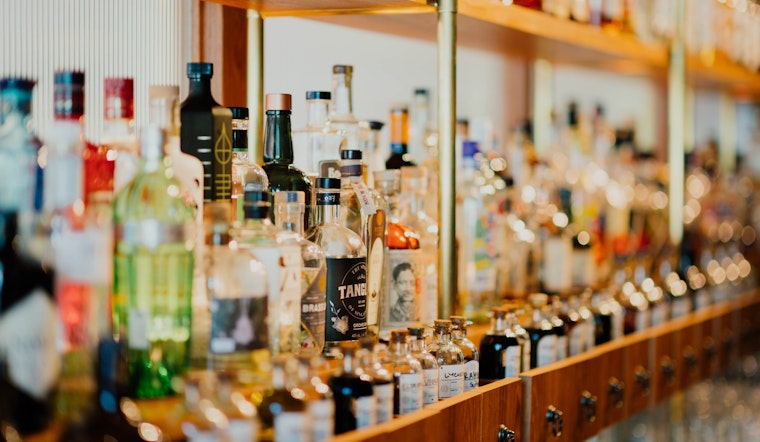
The city of Boston has experienced challenges with equitable distribution of liquor licenses for decades says dinner city officials. This has posed significant hurdles for aspiring entrepreneurs in traditionally underserved communities. City officials, including Mayor Michelle Wu and Boston City Council members, have proposed a solution to this issue by appealing to the Massachusetts Legislature for an additional 250 liquor licenses over the course of five years. The details of these ongoing proceedings were featured in a recent article by the Boston Globe.
Boston's liquor license system had been under the control of the state legislature for many years, resulting in a constant disconnect between local communities' preferences and the allocation of available liquor licenses. This has led to a significant concentration of licenses in wealthier neighborhoods, often leaving minority-owned businesses in less advantageous positions. As reported by CBS News, only 4% of the 1,100 liquor licenses in Boston are currently held by Black-owned establishments.
The suggested legislation aims to address this disparity by distributing 250 new liquor licenses across 10 selected ZIP codes in areas such as Hyde Park, Mattapan, Dorchester, Roslindale, Roxbury, and East Boston. As stipulated by the bill, the provided licenses will be nontransferable, ensuring they remain within the targeted neighborhoods to prevent further complications such as gentrification, according to WGBH.
For local, minority-owned businesses, the passage of this bill could potentially mean the difference between thriving or struggling to compete in an already difficult market. Franando Rosas, owner of a multicultural restaurant in East Boston, conveyed to CBS News, his ongoing struggles obtaining a liquor license, an indispensable asset for improving profit margins, crucial to the survival of many establishments, particularly during the pandemic aftermath.
Although the proposal has received unconditional support at the City Council level, state lawmakers continue to deliberate, demanding additional information before coming to a final decision, WGBH reported. The Massachusetts Legislature's verdict expected in the upcoming months, will play a crucial role in the future survival and success of numerous businesses and their respective communities.
The Pearl, a successful Black-owned restaurant in the South Bay Center in Dorchester, adds into positive scenarios in the current system. Luther Pinckney, the director of operations at The Pearl, described their successful acquisition of a full liquor license through their landlord, granting the restaurant an opportunity to serve the community and create a social hub for locals, as mentioned by WGBH.





