

























































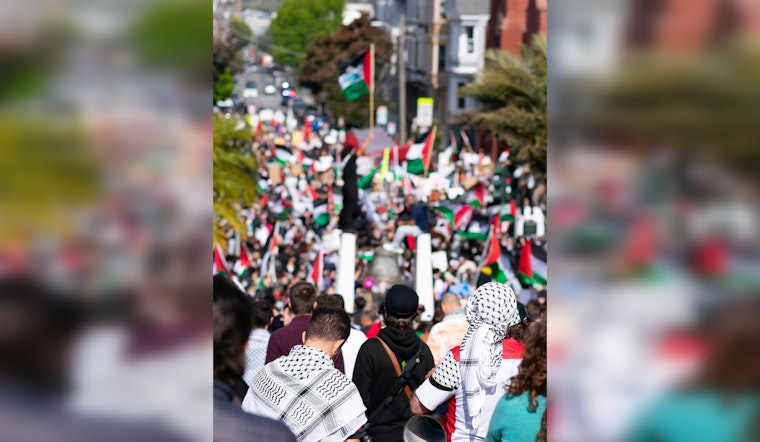
Chicago's Arab and Muslim communities are experiencing a wave of concern in response to a recent uptick in hate crimes. This rise follows the current conflict between Israel and Gaza, sparking fears among these communities nationwide, according to Chicago Sun-Times.
This growing wave of hate crimes mirrors the fear experienced by Muslims and Arab Americans following the 9/11 attacks. The murder of 6-year-old Palestinian American Wadea Al-Fayoume, allegedly motivated by his ethnicity and religious beliefs, punctuates this surge.
Fears are extending beyond Chicago, reaching Muslim and Arab Americans nationwide. From needing to be escorted to cars in West Virginia, to rising incidents in multicultural New York City, apprehensions over potential violence are tangible, as mentioned by ABC News.
In response to these concerns, understandably, community members are attending collective prayers, vigils, and community events, though a fear for older community members remains.
Eman Abdelhadi, an assistant professor of sociology at the University of Chicago, points out that deleterious expressions about Arabs, Muslims and Palestinian life in Gaza by politicians and media can "translate into acts of violence." This issue is compounded when media overlooks key contextual factors from the Israel-Gaza conflict, per the Chicago Sun-Times.
The problematic rhetoric used by the media and politicians regarding Muslims and Arabs can feed into hate crimes and increase social isolation. It's clear that issues of deep-seated prejudice against Arabs and Islam resurface whenever these demographics become news, sometimes with disastrous results, furthers the Chicago Sun-Times.
In light of these developments, a reassessment of our attitudes towards the Gaza conflict, Arabs, and Muslims is conducive. Along with recognition of our words' impact on vulnerable communities, efforts to foster understanding and bridge divides are part of this process. Challenges can be overcome by embracing the diversity that underpins the fabric of American society.



