

























































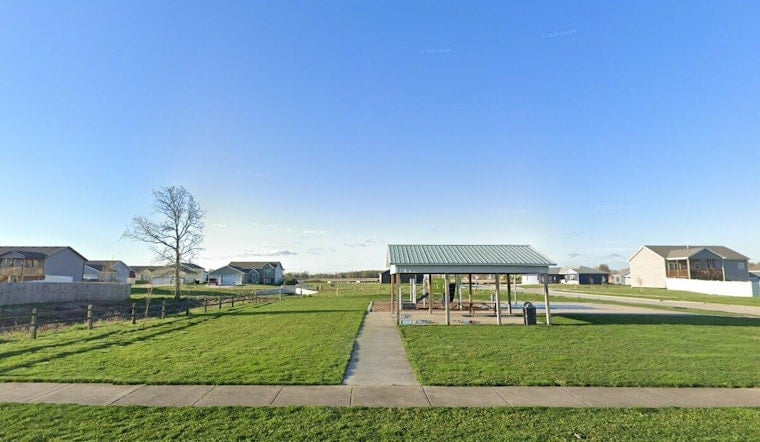
A two-acre parcel in Portage's Cardinal Crossing subdivision has sat empty for 20 years, set aside for a neighborhood park that never got built. Now developer Mel Gore wants to turn that land into five new housing lots instead, and on Tuesday the Portage Plan Commission narrowly kept that plan from moving forward, at least for now.
The commission voted 4-2 on September 8 to allow Gore to subdivide the outlot, known as Outlot G, into five residential lots, according to the Chicago Tribune. But that wasn't enough. Portage's Plan Commission has nine total members, and land-use rules require a full five-vote majority to approve a subdivision plat, according to the City of Portage. Two commissioners were absent from the meeting, and a third, Brent Wright, abstained, according to the Tribune's report — meaning the measure fell one vote short despite winning a majority of those actually voting.
Gore, the landowner, told the commission the land had been idle for two decades and said he only learned in June that the city had no interest in building a park there, per the Tribune's account of the meeting. He said the land carries low taxes and is zoned for residential development, and he plans to keep mowing the acreage while he decides whether to try the subdivision request again.
Neighbors Say They Were Promised a Park
Cardinal Crossing residents pushed back hard at the meeting, saying they bought their homes expecting a neighborhood park where younger kids could walk without crossing busy streets, the Tribune reported. Resident Kyle Ellis said children are already playing in the grass on the vacant lot because there's nowhere else nearby for them to play, and resident Matt Vandiver warned that kids may end up playing in the roads if there's no dedicated space for them.
City Council and Plan Commission President Victoria Vasquez voted against the subdivision proposal, as did commissioner Bill Moran, according to the Tribune. Moran said he hoped Gore could work out a compromise with the community that would let children use part of the acreage even if the full park never materializes. Tom Cherry noted the situation would look different today had the city simply accepted the land two decades ago with an eye toward eventually building a park there.
City Says It Still Can't Afford the Park
Portage Mayor Austin Bonta said the city still cannot afford to develop a park on the site, echoing what city officials have said for years: Portage lacked the money to build the park when Cardinal Crossing was first developed, and that hasn't changed. The city is already bracing for tighter budgets, with officials projecting roughly $2 million in municipal cuts in 2027 to keep the books balanced, according to minutes from the City of Portage.
The city points to existing recreational options as an alternative to a brand-new neighborhood park. Brookview Park, located on Kingman Avenue with a basketball court and playground, sits about a block and a half from the Cardinal Crossing site, per the Tribune's reporting — though it did not exist when the subdivision was first built. Portage's parks department also oversees three larger parks, Countryside, Imagination Glen and Woodland, all within driving distance of the neighborhood, and manages 15 parks total and more than 10 miles of trails citywide, according to the City of Portage Parks and Recreation Department.
New Parks Leadership, Old Land-Use Questions
The debate lands as the parks department has new leadership. Doug Lang, a former park manager at Indiana Dunes State Park, is the department's new superintendent, according to a post from Northwest Indiana Community Partners. Lang now oversees decisions about maintaining existing parks while the city weighs whether infill sites like Outlot G should become housing or public space.
Gore is a familiar name in Portage's civic life beyond real estate. He's a former Wabash College football player and Hall of Fame inductee, and he currently serves on the City of Portage Sanitary Board, according to Wabash College Athletics. Cardinal Crossing itself is planned as a 300-lot subdivision, with paired patio homes starting at $270,000, per Gore Realty.
Adding to the neighborhood's land-use puzzle, Portage Township Schools owns an undeveloped, landlocked parcel directly behind the disputed two acres. Portage is the largest city in Porter County and the third-largest in Northwest Indiana. The city has faced this tension before: the debate reflects broader land-use questions in the city. For now, Outlot G remains untouched, and Gore says he's still deciding whether to bring the subdivision request back before the commission.





