

























































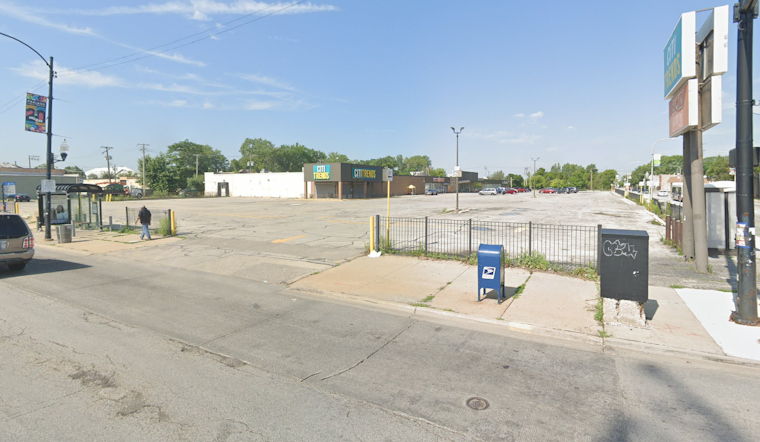
In a development that has elicited mixed reactions from community members and local politicians, a City Council committee has greenlit the acquisition of a donated vacant grocery store and parking lot, to be converted into a winterized hub for asylum-seekers in Chicago. The project, initially highlighted by the Chicago Sun-Times, comes in response to the migrant crisis, with 19,500 asylum-seekers having arrived in the city.
It was Ald. Ronnie Mosley (21st), who aired objections to the plan, expressing dissatisfaction with the city's decision to forge ahead with plans for a secondary temporary asylum-seeker shelter, contending it prioritizes a distant crisis over the needs and voices of the local community. As per Block Club Chicago, Mosley issued several demands, from a total commitment to initiate construction on Morgan Park Commons, to temporary shelter for Chicagoans for enhancing housing security within the community.
The site donated, situated at 115th and Halsted streets, has garnered both support and opposition from community members. Certain residents bear concerns about the security and state of their neighborhoods, along with potential impacts on property values. In contrast, others view the land donation as a progressive stride toward revitalization and addressing migrants' urgent needs.
In defense of the accepting the donated land from Albertsons Companies, Ald. Carlos Ramirez-Rosa (35th), the Council floor leader for Mayor Brandon Johnson, stated, "how do you say 'no' to free land that eventually will be redeveloped and added back to the tax rolls" in a text exchange with the Chicago Sun-Times.
An additional point about arguing is the designated use of the site, marked for a proposed redevelopment project named Morgan Park Commons. Mosley and other community members have advocated for this development, highlighting its potential of creating affordable housing, retail space, and job opportunities. A Block Club Chicago article indicates that the Far South Side Development Corporation remains dedicated and on track to commence the project in 2024.
The establishment of a winterized base camp for migrants in Chicago, despite facing opposition in certain quarters, represents the city's ongoing effort to offer adequate shelter for thousands of asylum-seekers, pouring in from countries like Venezuela, grappling immensely with economic disturbances. These immigrants have puts strain on the city's existing shelter system, pushing local leaders to seek temporary housing remedies as winter looms.





