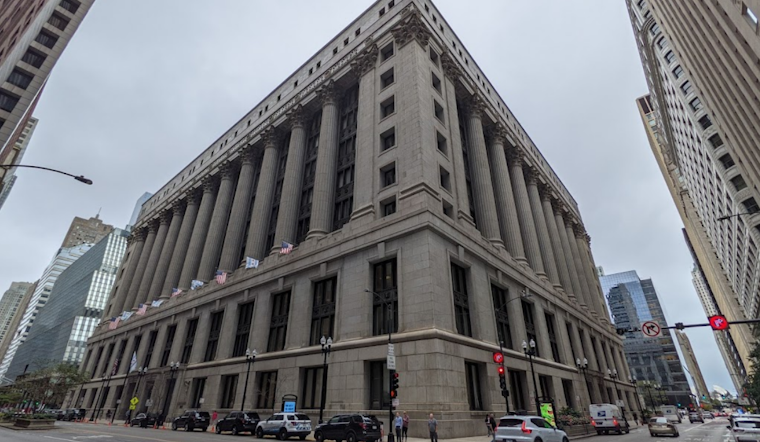
The vote to abolish Chicago's tipped minimum wage, initially scheduled for today, has been postponed to October 7 due to a clerical error by City Clerk Anna Valencia. The outcome of this vote carries significant implications for tipped workers, the restaurant industry, and ongoing debates around tipping nationwide. With 26 sponsors, as well as backing from activists and the Illinois Restaurant Association, this ordinance seems set to pass. However, views on the potential impact of this decision remain varied.
Eater Chicago reports that a compromise with the Illinois Restaurant Association has been reached. This compromise involves incrementally raising the tipped minimum wage over five years until it matches Chicago's current standard wage of $15.80 per hour. The updated ordinance includes a $500,000 private fund to aid restaurants in adapting to these changes. Additionally, to aid the transition, the national advocacy group One Fair Wage will announce a training program and grants for BIPOC-owned small restaurants.
A higher rate of $9.48 per hour is currently used to compensate tipped workers in Chicago, in stark comparison to the federal standard of $2.13. As a result, there has been some resistance to the ordinance, with critics suggesting that conditions in Chicago are not as severe as in other regions. Nevertheless, One Fair Wage argues that reliance on tipping, a practice criticized for its racist and sexist undertones, needs to be reassessed, and they plan to target New York City and Boston for future campaigns.
A WTTW report indicates that some detractors fear that's doing away with the tipped minimum wage could deter new restaurant openings in Chicago and may force current establishments to scale back their staff. Supporters, however, contend that the elimination of this wage type provides protection from wage theft and abuse for tipped workers, a demographic often more susceptible to exploitation.
Furthermore, according to some restaurant owners, having already increased tipped workers' wages beyond the proposed ordinance has resulted in to better employee retention and an improved workplace culture. One owner shared with Eater Chicago, "If we could figure it out, they can, too."
The Chicago City Council is anticipated to approve the gradual escalation and eventual elimination of the tipped minimum wage, despite varied opinions from restaurant owners. This move is poised to set precedent for many other cities and states currently deliberating similar cases. It promises not only to change the financial dynamics of the restaurant industry but also to reshape how society at large views tipping.