

























































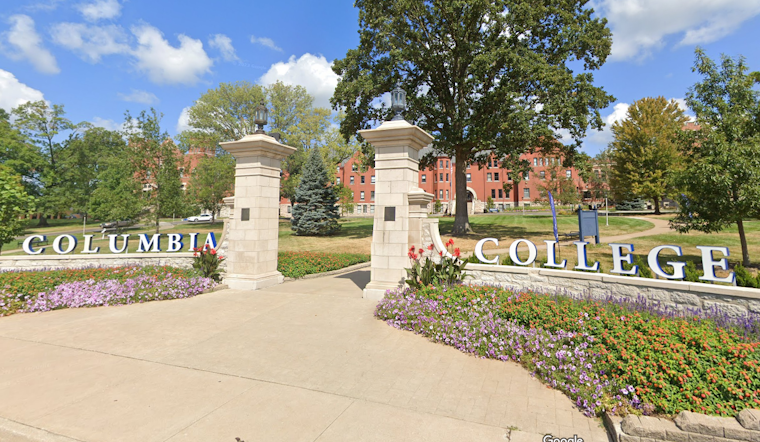
With a global push for equity in full swing, Columbia College's part-time faculty have taken a strong stance by authorizing a strike. As detailed by the Chicago Sun-Times, a strong majority of 88% voted for the action in light of recent contract negotiations following the expiration of their previous contract in August.
Diana Vallera, the Columbia College Faculty Union (CFAC) President, indicated that the faculty feels emboldened by this action, particularly in the face of recent pandemic hardships. The proposed cutting of more than 300 courses by the college administration threatens approximately one-third of the union's members with workload reductions, lower wages or increased class sizes without corresponding compensation.
Having the last strike back in the fall of 2017 which lasted for two days, CFAC's current predicament is not unique. Contract teachers, who are not tenured, make up 68% of Columbia College teaching staff, according to the Chicago Sun-Times. The Union emphasizes that there are alternative ways to save costs, arguing to not reduce the quality of education for students, while the college management insists that these course cuts are essential to manage a $20 million budget shortfall.
Despite the disappointment expressed with the strike vote, Columbia College reaffirms its commitment to constructive bargaining with the union. As discussed by Chicago Business, if a strike happens, the college is prepared to shield the students' academic progress from the effects of the strike as much as possible. Nonetheless, the key issue is ensuring students have access to a high-quality education provided by well-treated and experienced educators.
The administration's proposed strategies are linked to board mandates, according to John Holmes, Chairman of the Columbia College Board of Trustees. He outlined his concern in a letter, to Vallera that the union's suggested approach could exacerbate existing problems. Transparent and fair understanding of the budget issues necessitates substantial discussions and negotiations between relevant stakeholders.
The union maintains its position in the negotiations for better benefits like health insurance. According to the Chicago Sun-Times, Vallera is hopeful that college leaders will withdraw the proposed course cuts and participate in serious talks.



