

























































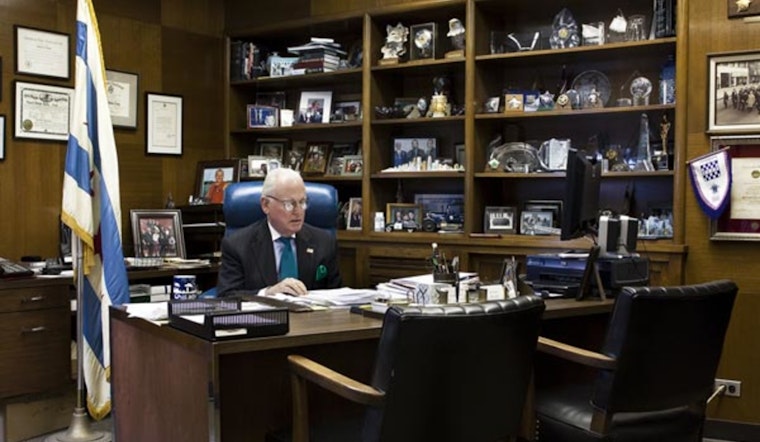
The ongoing trial of former Chicago Alderman Edward Burke spotlights corruption in the city. The case shines a light on the long-standing aldermanic prerogative, a power at the heart of the infamous "Chicago Way," where backroom deals and corruption are an unwelcome tradition.
The Chicago Sun-Times describes aldermanic prerogative as a form of uncodified power which enables aldermen to single-handedly make decisions within their wards. Burke's political tenure and influence allowed him to use this power to its full extent, allegedly paving the way for questionable practices.
An NBC Chicago investigation reveals that Burke's lawyers contend that, distracted by a high volume of calls and tasks, any dubious intention behind Burke's actions would be misconstrued. Nevertheless, the case prompts questions about how aldermanic prerogative contributed to allegations of corruption, and if such traditions are endemic in Chicago's political landscape.
The Sun-Times points out that Chicago's 'quid pro quo' politics are deeply ingrained. Michele Smith, a retired Ald. and Ethics Committee Chairwoman, states that tolerance of corruption started with the Daley dynasty, as those who complied with Daley's wishes were exempt from scrutiny.
With Burke's trial in focus, the debate is whether Chicago can extricate its roots of corruption or remain mired in its past. Advocates for change suggest measures to balance power and prevent corruption. Joe Ferguson, former Inspector General, suggests altering the municipal code to reduce City Council's decision-making power and limit aldermanic influence in zoning matters. He also recommends introducing term limits.
Mayor Lori Lightfoot's attempts to reduce aldermanic power brought about some improvement, but also faced opposition. According to the Sun-Times, retired Alderman Tom Tunney, a former Zoning Committee chair, insists aldermen are more apt for handling zoning decisions due to their local knowledge.
Yet, issues persist. David Greising, President and CEO of the Better Government Association, highlights an ongoing issue with the "culture of allowing alderpeople to be mini-mayors," which he believes encourages some to misuse their office for personal gain, according to Chicago Sun-Times.





