

























































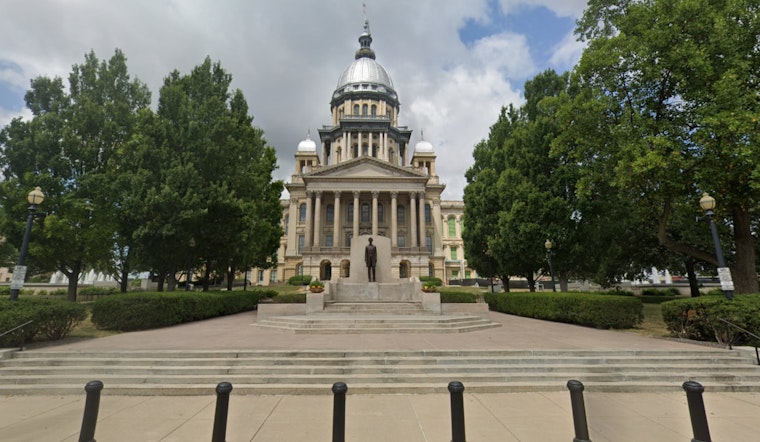
Illinois legislators are wrapping up their final session of 2023, facing crucial issues such as the Invest in Kids private school tax credit program and the possible lifting of a nuclear plant moratorium. These topics highlight the existing division in political viewpoints.
The Invest in Kids program is a hotly debated issue and important to families relying on the private school tax credit. As stated by the Chicago Tribune, the program is due to end this year, and its future rests with the current lawmakers' decisions on the ongoing legislative agenda.
Against initial signing by Republican Gov. Bruce Rauner in 2017, the project has yielded private school scholarships for many Illinois children. Invest in Kids enables individuals and corporations to contribute to these scholarships, getting a 75% return income tax credit. There is a $1 million cap. A KSDK article shows this issue's inherent divisiveness in Illinois politics, with Democrats experiencing internal disagreements and Republicans fighting to preserve the program.
Uncertainty surrounds the Invest in Kids program's impending expiration, causing anxiety for the families of thousands of students who may need to switch back to public education. Students like Isabella Benvenuto, a Glen Carbon sophomore, have personally appealed to officials for the program's continuation. Its termination could force her and others to reassess their education options.
Program critics believe it steers public funds away from public schools, emphasizing the need to provide equitable access to education. While the program purportedly aids underprivileged children in receiving superior education and promotes a culture of school choice, critics point to the public education system's shortcomings, which they believe should be addressed first.
Lawmakers are also tackling a 40-year-old ban on new nuclear power plants. Yet, several political elements seem to stifle the discourse, limiting stakeholder progress. The Governor, J.B. Pritzker, recently vetoed a bill that would permit new nuclear power plants, adding another layer of complexity.
The Governor's veto only polarized the debate to lift the nuclear plant moratorium further, with both detractors and advocates alike pushing to defend the veto or completely reverse the decision.
With the Invest in Kids private school tax credit's future and the lifting of the nuclear plant moratorium up in the air, the current legislative session could have far-reaching effects. As evident in these debates, the collision of political views, varied interests, and disparate perspectives is commonplace.





