

























































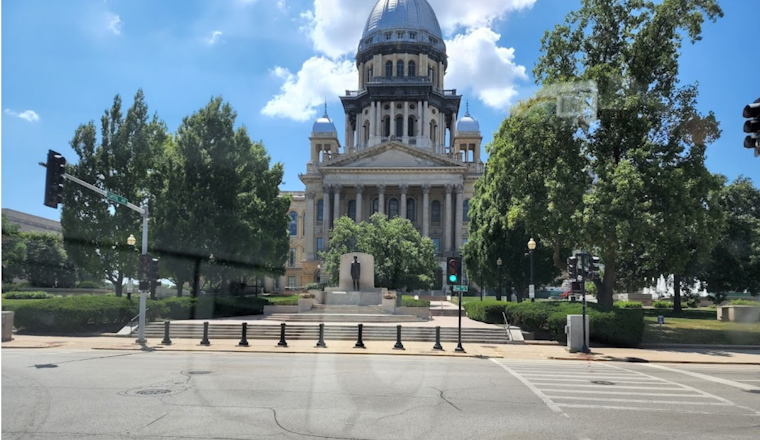
Illinois General Assembly's fall session is looking into matters related to migrant funding and nuclear power plans. The legislators must balance progress, the imminent elections, and the fall session's limited timeframe.
Chicago Mayor Brandon Johnson had sought governmental financial aid due to the influx of over 14,000 migrants bused from Texas to Chicago in the past year. These migrants, primarily seeking asylum from Central and South American countries, received a delayed response from Springfield .
This delay, however, are viewed as an opportunity by Rep. Kambium Buckner, a Chicago Democrat involved in the negotiations. Buckner opines that the holdup will provide the spring session more time to formulate an effective solution, potentially prompting the Federal Government’s intervention, according to NBC Chicago.
Another significant consideration is Governor J.B. Pritzker's veto regarding the installation of small modular nuclear reactors. Professed to break the 1987 moratorium on new nuclear generators, the proposal received considerable support capable of surpassing a veto. Senator Sue Rezin believes that the veto can still be successfully overruled if brought to vote, as reported by U.S. News.
The veto was requested by House Democratic leaders, with House Majority Leader Robyn Gabel reflecting the complaints of environmental societies. Gabel argued the absence of updated laws, regulations, and oversight in light of the repercussions posed by nuclear reactors.
In contrast, Sen. Rezin contends that small modular reactors present many advantages. They produce less waste, cheaper to build and maintain than larger facilities, and suitable for energy-intensive sites such as steel mills. Furthermore, Rezin underscores the role of these reactors in fulfilling the state's stipulation to exclusively generate carbon-free power by 2045, as mentioned in NBC Chicago.
Another legislation under review involves Pritzker's veto on a bill providing employees the right to confirm their work eligibility in case of discrepancies in their name or Social Security number. The bill prohibits employers from firing employees without giving them a 30-day unpaid leave to resolve the issue, granting them additional rights and protections.
Pritzker's veto was attributed to drafting errors in the measure. The governor has general support for increased worker protections, and this legislation promises to make headway despite the veto, furthers U.S. News.
To quickly resolve migrant issues and nuclear power development lie the pressing decisions for the Illinois legislative session. The decisions made during this session will inevitably influence the state's future and affect thousands of lives..





