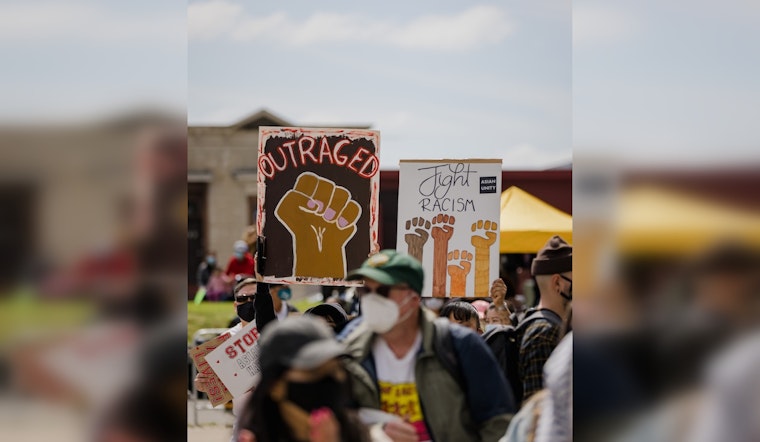
The latest Anti-Defamation League (ADL) report reveals a troubling rise in hate crimes and extremism in Illinois. The "Hate in the Prairie State" study shows notable increases in antisemitic incidents and white supremacist propaganda in 2022, as well as an 80% hike in statewide hate crimes since 2020.
A NBC Chicago piece points out a worrying 430% surge in antisemitic incidents since 2016, paralleled by a 111% increase in white supremacist propaganda distributions across Illinois in 2022. Also disturbing is the upward trend of hate crimes against Black, Jewish, and Asian American and Pacific Islander communities.
The report highlights the role of social media platforms in propagating hate and extremist ideologies, along with the detrimental effects of divisive political rhetoric. David Goldenberg, ADL Midwest Regional Director, points out how this vitiated political discourse has become a boon for politicians employing hateful rhetoric, unusually appealing to a significant section of the populace.
Karen Freeman-Wilson, the Chicago Urban League President, articulates that the report findings present a contrast to Illinois' reputation as an inclusive and welcoming state. The stories of hate crimes against minority groups and institutions underline the urgency of tackling this deep-seated issue.
Measures have been enacted to address hate and extremism. Illinois' Attorney General's office is investigating the role of social media platforms in brewing these problems. Moreover, Illinois has implemented a law holding citizens accountable for sharing personal information to harm others; additionally, a pathway for reporting hate crimes is being piloted.
The ADL report suggests a slew of policy recommendations for combatting the increase in hate crimes: convening cross-sector stakeholders, countering domestic terrorism, holding social media platforms accountable, strengthening the state's response to hate crimes, and protecting civil rights. The responsibility now shifts to the public and policymakers to bring these recommendations to life.
David Goldenberg points out that no single solution can eliminate the documented rise in hate crimes in Chicago and perceived lack of resources to address these incidents effectively. The fight against growing antisemitism, hate crimes, and extremist rhetoric requires comprehensive actions, not just awareness of its existence.
In the face of a society increasingly marred by hatred and extremism, it is critical for every global citizen to foster an inclusive, equitable, and compassionate world. Standing against the tide of hate requires not only the commitment of law enforcement, public officials, or policymakers but also the solidarity and perseverance of every individual striving for a better society.