

























































As the Día de los Muertos holiday draws near, U.S. Customs and Border Protection (CBP) officials caution the public about the prohibited agricultural items at the U.S.-Mexico border. Frequently incorporated in holiday decorations, such paraphernalia can introduce pests and diseases. For instance, they could spread the hazardous citrus huanglongbing or HLB disease, per the U.S. Customs and Border Protection.
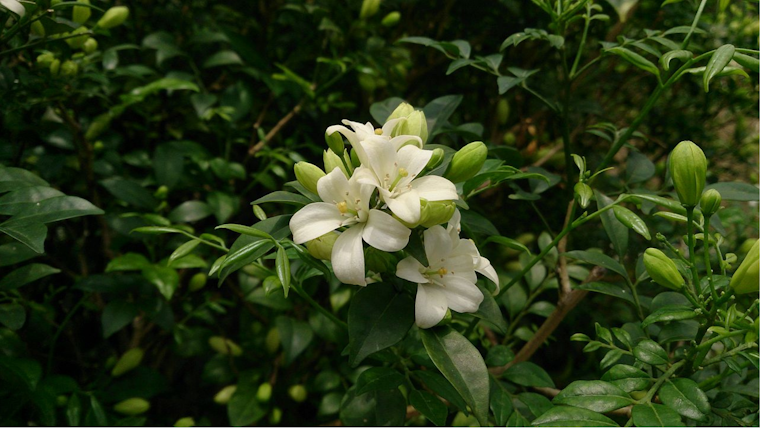
Commonly known as citrus greening, huanglongbing (HLB) is a lethal disease induced by a bacterium. It can infect a myriad composition of citrus varieties and some ornamental plants, including orange jasmine.
Día de los Muertos, celebrated in numerous border communities, is a time when families honor their departed and prominent members of society by building altars and memorials. Floras of choice like the yellow and orange marigold and other greenery such as murraya or orange jasmine are typically used in memorials.
Addressing the issue, Sidney Aki, Director of Field Operations for the San Diego Field Office, issued a statement, asserting, “We need to bring to the public's notice that certain kinds of greenery and citrus are forbidden entry into the U.S. Guarding our agricultural resources against invasive pests and diseases is paramount to ensuring our economic vibrancy.”
Travelers need to be aware of prohibited citrus items such as oranges, grapefruit, tangerines, sour oranges, and sweet limes. Other forbidden fruits include guavas, mangoes, peaches, and pomegranates.
Travelers should declare any agricultural items they possess. Failure to do so can attract hefty fines. Penalties for contraband, and undeclared agricultural items range from $500 for personal import to $250,000 for commercial import.
Armed with the guidelines from the CBP and the Don't Pack a Pest! campaign, travelers can play a pivotal role in shielding the U.S. agricultural industry from the spread of detrimental pests and diseases by importing forbidden items.





_1.jpg)