

























































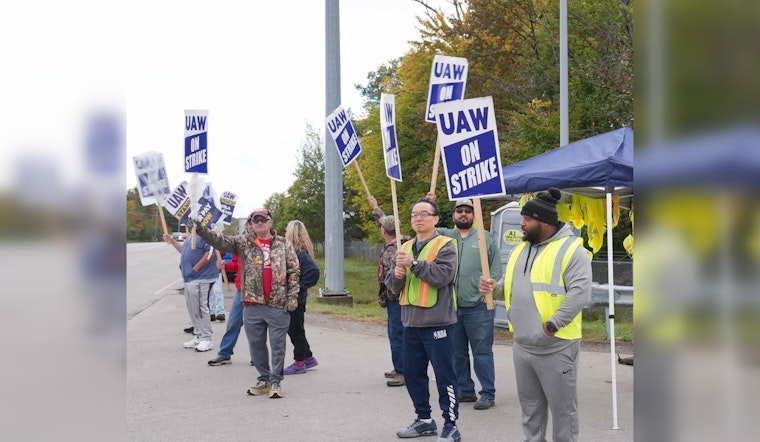
The United Auto Workers (UAW) and Ford Motor Co. have struck a tentative four-year agreement on a new labor contract, almost half a dozen weeks post the initiating of walkouts against Detroit's three automakers, according to The Chicago Tribune. The proposed deal includes approximately a 25% wage increase over four years, subject to approval from the UAW council that oversees relations with Ford, and ratification by the company's union workers. The ongoing negotiations between UAW and other automakers, such as General Motors and Stellantis, perhaps could feel the pressure from the tentative agreement with Ford.
A fortnight prior, overtures of a wage increased by 23% and pay adjustments to tackle inflation had been made by Ford. They also proposed to reduce the duration for new recruits to reach peak wages from eight to four years. While other companies proposed similar offers, UAW President Shawn Fain advocated for more, intensifying walkouts and aiming at factories producing for automakers the most lucrative models.
Currently, the UAW strike involves around 45,000 workers from Ford, GM, and Stellantis across the US. Among these are 8,700 workers at Ford's most extensive plant in Louisville, Kentucky, plus nearly 10,000 others employed at Ford factories in Illinois and Michigan. The shift to battery-operated vehicles mandates sizeable investments from auto manufacturers. In return, they find it challenging to afford significantly higher wages. Last week, Ford's executive chairman, William C. Ford Jr., contended that the union's demands might jeopardize the competitive standing of Detroit automakers against non-union firms such as Tesla and international competitors. He warned the longer the strike lasts, the more rival companies stand to gain.
Contrastingly, UAW asserts that its contract battle triumph over the Big Three will act as a catalyst in organizing autoworkers from other firms as well. The walkouts commenced in mid-September following the expiration of the companies' union contracts.
Initially, a wage augmentation of 40% over four years was the demand placed by UAW—an amount they claim reflects top executive raises at all three companies in recent years. These enhancements will compensate for the comparatively marginal raises received by autoworkers in previous years and the union's concessions to companies since 2007. Furthermore, the union demanded abolishment of a system that compensated fresh employees with slightly more than half of the highest wage of $32 per hour. They also called for inflation adjustments, reinstatement of all staff's pensions, better retiree benefits and, reduction of work hours.
Beginning this week, both GM and Stellantis faced exacerbated UAW walkouts when the union triggered work stoppage for 6,800 workers at a substantial Ram pickup truck plant in Michigan, and 5,000 workers at a GM plant in Arlington, Texas. The plant manufactures large sports utility vehicles, such as the Chevrolet Tahoe, GMC Yukon, and Cadillac Escalade. On Tuesday, The New York Times reported GM's third-quarter earnings as $3.1 billion, a 7% decline from the previous year, attributed, in part, to the ongoing strike, with Ford scheduled to announce its third-quarter earnings today.
The New York Times mentioned UAW President Shawn Fain stating the tentative agreement with Ford being record-breaking and life-altering. However, ultimately, the union members will be judging its merit. According to the union president, Ford's terms include a sudden 11% pay hike upon ratification.





