

























































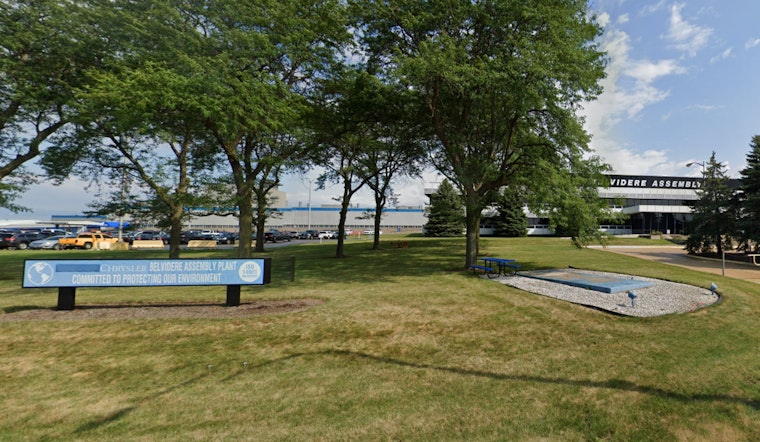
Stellantis and the United Auto Workers (UAW) have reached a tentative agreement that secures improved compensation, expanded benefits, and new developments for the stagnated Belvidere assembly plant in Illinois, according to the UAW's October 28 announcement disclosed by Chicago Tribune. The agreement promises a 25% increase in base wages, cost of living adjustments, and the right to strike over plant closures.
The proposed agreement mirrors a deal struck by Ford three days earlier, leaving General Motors as the only automaker yet to close such a contract, as reported by CBS News. Promising developments for the Belvidere plant include the introduction of an unnamed new vehicle and a neighboring battery manufacturing facility, suggesting that the new vehicle will be an electric one. The reactivation of the 60-year-old Belvidere Assembly Plant comes after being idle since February.
"This will be thousands of jobs, billions in the investment, and, a huge win for Illinois," affirmed Illinois's Governor J. B. Pritzker of the agreement. The restoration of the Belvidere assembly plant and the added adjacent battery facility are anticipated to provide beneficial economic influence on the surrounding community. The state recently procured a large piece of land close by the 280-acre Belvidere plant to make possible the forthcoming manufacturing expansion.
The agreement is to create approximately 1,000 new jobs at the new Belvidere battery plant. Additionally, over 1,000 previous employees who lost their jobs in February's Belvidere plant shutdown will return to work. As the Chicago Tribune revealed, various considerations were contemplated for the plant's future during UAW strike negotiations, including the possibility of it becoming a "megahub" parts distribution center.
In the climate of ongoing UAW strikes, the provisional agreement with Stellantis reflects the effective tactics implemented by the UAW's current president, Shawn Fain. About 45,000 workers across numerous assembly plants and distribution centers participated in the strike, pressurizing automakers into agreeing to their conditions. This historic strike made it the first time the labor group has targeted all of Detroit's Big Three automakers at the same time.
Although the union's strike fund has been supporting their striking workers, the deadlock caused significant disruption within the auto industry ecosystem, leading to layoffs, production halts, and uncertainty surrounding the future of closed plants. With potential agreements on the horizon for Stellantis and Ford, the primary focus of the labor disagreement has now shifted to General Motors – the only remaining automaker without a UAW contract.





