

























































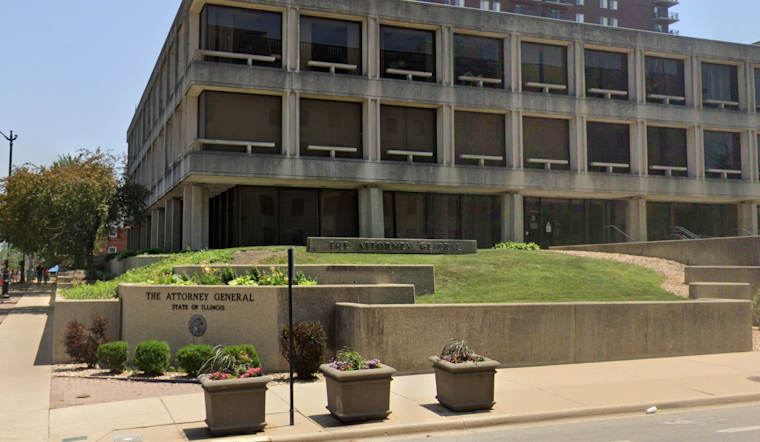
Attorney General Kwame Raoul, joined by ten additional attorneys general, has expressed support for the U.S. Department of Labor's Notice of Proposed Rulemaking that aims to introduce new protections for workers under the H-2A program. The report cites the filing of comments by the attorneys today, November 15, as documented.
The H-2A program provides a legal channel for agricultural employers to temporarily employ foreign workers in the face of labor shortages, further contributing to the nation's economy. However, the Illinois Attorney General's Office indicates the existence of workplace violations and exploitations under the current program.
Proposed regulations by the DOL are therefore designed to ensure worker safety from abuse and unsafe workplaces. The goal to enhance enforcement actions and improve protections pivots on enhancing employer accountability and the DOL's regulatory capabilities regarding foreign labor recruitment.
The letter of support, filed by Attorney General Raoul et al., highlights areas that need strengthening in terms of worker protection, retention, and increased transparency around foreign recruiters. The coalition includes representatives incessantly working to thoroughly implement such processes from California, Colorado, Connecticut, Delaware, Michigan, New Jersey, New York, Pennsylvania, Vermont, and Washington.
In the face of escalating dialogues about rights and protections for migrant agricultural workers, the proposed changes follow the 2019 introduction of the Farm Workforce Modernization Act. This legislation aimed to provide legal protections and a roadmap to citizenship for undocumented farmworkers, as stated by Congress.
While the push toward worker safety and protections is vital, fears about the potential impact strict regulations might have on agricultural enterprises are also valid. Critics worry that over-regulation might discourage participation in the H-2A program, leading to labor shortages that could impact economic productivity. Balancing industry concerns and worker safety is seen as necessary to ensure a healthy agricultural industry that values the laborers driving it.





