

























































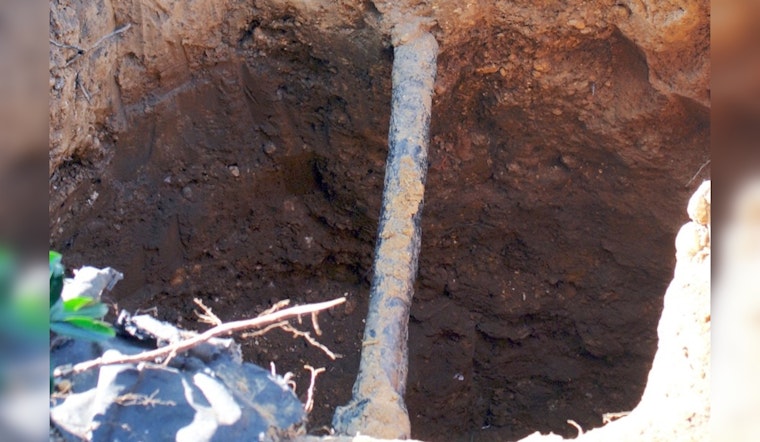
The fight against the United States' aging infrastructure has escalated as the Biden Administration sets in motion an ambitious plan to abolish lead pipes within a decade, launching a historic effort against a silent enemy that has lingered in drinking water, as reported by The Chicago Tribune. President Joe Biden, fulfilling a promise from his presidential run, pushes forward with a proposal made by the Environmental Protection Agency (EPA) that demands the replacement of an estimated nine million lead service lines nationwide to safeguard public health, particularly that of America's children whose developing brains face irreversible harm from lead exposure.
Across the country, this endeavor will carry an immense price tag, with costs expected to hit between $20 and $30 billion over the next ten years, as detailed in the EPA's projections cited by Forbes, though a significant portion of $15 billion is earmarked for this purpose under the 2021 Bipartisan Infrastructure Law, while the remaining costs likely fall on utility companies and their clients. Some cities such as Chicago, with its 400,000 lead pipes, may be granted extensions despite being recognized as having the most substantial problem with the hazardous material, even as the city denied wide-spread issues as late as 2018, even though testing kits distributed by the city revealed high levels of lead in every neighborhood.
Under the proposed regulations detailed by the EPA, utilities would need to accelerate lead pipe replacements, achieving a noteworthy 10% annual average replacement rate and making strides toward cleaner and safer water systems. The policy not only puts forth a more stringent lead threshold, reducing the acceptable levels of lead in drinking water from 15 to 10 parts per billion, which was highlighted by Forbes as the strictest limits in three decades following the 1991 Safe Drinking Water Act but also mandates an upgraded testing methodology more equipped to uncover harmful accumulations of lead that might have otherwise remained undetected.
Moreover, in an interview with Forbes, EPA Assistant Administrator for Water Radhika Fox justified the pricey proposal with its promise of economic benefits approximated at a minimum of $9.8 billion per year, these benefits that could soar up to $34.8 billion annually, driven by the reduced health risks and preventing cognitive impairments among children; however, as beneficial as the initiative might appear, some environmental advocates, including prominent figures at the Natural Resources Defense Council (NRDC), have voiced concerns that the proposal stops short of vital, fully safeguarding all Americans from lead exposure with Erik Olson, senior strategic director for health at the nonprofit NRDC, stating the proposal to be a significant improvement from previous administration's plans, it could fall short without mandatory requirements for water systems to cover the complete costs of lead pipes replacements, placing undue weight on individual households and possibly perpetuating disparities rooted in wealth and locality.
Heeding the outcries for change catalyzed by the Flint, Michigan, water crisis and similar instances across the nation, the public now awaits the bureaucratic process to follow, as the new regulations are set to make their way into the Federal Register, after which the EPA will invite public comments for 60 days, providing a platform for American voices to be heard and heeded in a discourse that could reshape their futures, as underscored by both The Chicago Tribune and Forbes, against the backdrop of an administration standing firm on promises to bring a clean sip of water to the lips of every man, woman, and child in America.





