

























































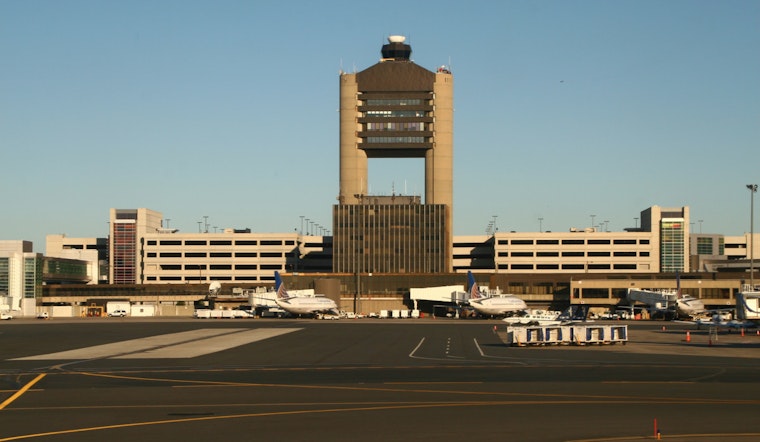
United States airports, including Boston Logan International Airport, are increasing measures for the prevention of infectious diseases in response to the COVID-19 pandemic. Surveillance and testing for pathogens, including influenza and respiratory syncytial virus (RSV), are being intensified.
The Traveler-based Genomic Surveillance (TGS) program, a project by the US Centers for Disease Control and Prevention (CDC), was initiated in 2021. The original project aim was the detection of new SARS-CoV-2 variants and infectious diseases through nasal swabs and wastewater samples from international travelers at select US airports. Led by Dr. Cindy Friedman of the CDC's Travelers' Health Branch, the program has evaluated over 370,000 travelers and collected samples from more than 135 countries to study and analyze.
In a newly expansive role, the CDC plans to employ the TGS program to monitor over 30 bacteria, antimicrobial resistance targets, and viruses, including influenza A and B and RSV. Pilot program implementation is planned at airports in Boston, San Francisco, Washington, D.C., and New York, as NBC Boston reveals. The program expansion seeks to address public health needs for early detection and response to potential outbreaks amid the resurgence of seasonal illnesses.
Among the TGS program's successes is the effective and early detection of several COVID-19 variants, such as Omicron BA.2, BA.3, XBB, and BA.2.86. In partnership with Ginkgo Bioworks, some variants were identified up to six weeks before being officially reported, according to CBS News.
Ginkgo Bioworks' general manager of biosecurity, Matthew McKnight, expressed the aim of preventing another health crisis like the COVID-19 pandemic through advanced surveillance programs. Worldwide implementation of similar programs may facilitate quicker detection and response to emergent threats, as McKnight stated to CBS News.
Despite relatively low flu activity in the US, steady increases are being observed. As of the week ending October 28, public health laboratories reported 189 influenza cases, with influenza A at 77% and influenza B at 23% of the cases. The recorded rate of COVID-19 hospitalizations is stable at just over 15,700 hospital admissions per 100,000 people for that same week.





.jpg)