

























































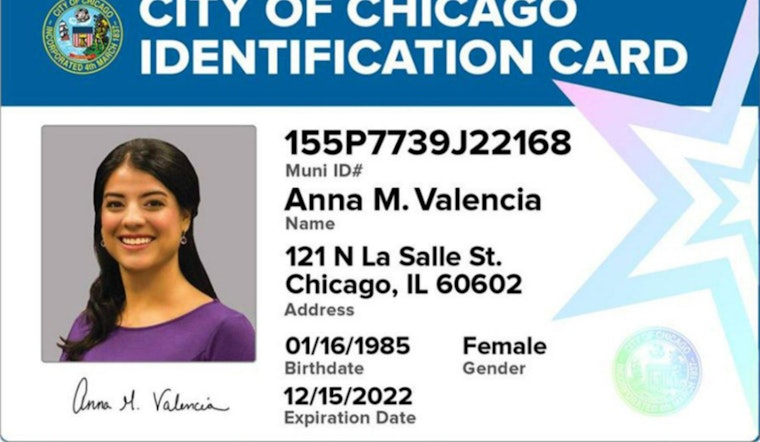
Chicago's CityKey program, a resource for refugees aspiring to establish a new life in the U.S., is facing a crisis of excessive demand, with the influx of asylum-seekers overwhelming the city's capacity to provide these important identification cards. City Clerk Anna Valencia attributed the program's operational struggles to this unprecedented demand. The program, initially designed to aid individuals while their official identification is pending approval, is now exhibiting signs of being "unmanageable" and "crushed."
Introduced in 2018 to counter anti-immigration policies from then-President Donald Trump, the Chicago CityKey offers numerous advantages such as access to banking services, apartment leases, CTA fare cards, and library cards, without permitting driving or voting. The card provides an anchor of security for those adjusting to life in Chicago, fostering a sense of belonging. However, the program's success appears threatened by overwhelming demand, according to a Chicago Tribune report.
The hike in demand for the CityKey has led to heightened tensions, with reported instances of chaos and frustration as asylum seekers, facing cancellations of CityKey events after long waits, struggle with limited access. Such instances occurred, among others, at events conducted at Gill Park and Little Village, with demand outstripping supply. The CityKey program's ability to meet this piqued interest is under substantial strain, as reported by WTTW News.
Attempting to manage rapidly increasing volume, the city has limited CityKey events, focusing on spontaneous events at shelters and community organizations while suspending scheduled Mobile City Hall events in neighborhoods. However, these measures have deprived vast numbers of necessary city IDs, thus impeding their journey toward stability in Chicago. In search of a more effective management strategy for CityKey demand, Ana Valencia has called for an increase in staff and resources. The current system's inefficiencies highlight the urgent need to devise sustainable solutions.
The proposed development of an online portal, enabling applicants to submit documents for the CityKey and receive it by mail, may help reduce physical demand while making the application process more streamlined. However, while the proposed online platform has been included in the clerk's budget request, it might remain offline until June, according to the Chicago Tribune.
Observers argue a misalignment between the program's original purpose—to support noncitizens and those in need—and its current funding priorities. They advocate for an increased focus on the accessibility and efficiency of the program to better serve Chicago's migrant population.
Ongoing challenges are not confined solely to the CityKey program; they reflect larger issues associated with the city's capability to cater to the multi-faceted needs of an expanding migrant population.





