

























































Chicago's mental health system was recently evaluated in an assessment by the Collaborative for Community Wellness, highlighting several barriers to care for immigrant and uninsured residents according to the Chicago Sun-Times. As of now, the city's Department of Public Health (CDPH) has yet to digest the report fully, yet Mayor Johnson reemphasizes his commitment to accessible mental health services irrespective of insurance status or immigration status.
The existence of mental health care system in Chicago rests on the foundation of Trauma-Informed Centers of Care (TICC), previously instated under former Mayor Lightfoot. An investigation into the efficacy and access to TICC by the Collaborative found numerous issues, including infrequent access, transportation barriers, and long waiting periods. Despite arguments favoring the TICC system as opposed to reopening mental health clinics, current research does not appear to back this claim.
In light of the rather worrying findings from this study, the significance of evaluating mental health care systems has become increasingly critical. Primarily, the call for mental health services has skyrocketed post-COVID-19 pandemic period, outpacing the available providers. This calls for reevaluating the existing systems to secure comprehensive and equitable care for all, regardless of their circumstances.
Despite the recent pushback, it should be noted that Illinois has made some progress towards enhancing mental health care access. As pointed out in a Chicago Business letter to the editor, Illinois became the first state to implement the Psychiatric Collaborative Care Model (CoCM). This model commands the integration of primary and mental health care, training pediatricians to manage common pediatric behavioral health concerns efficiently. The CoCM has improved children's access to mental health care, reduced wait times, and propelled pediatricians’ confidence in managing behavioral health issues.
As beneficial as CoCM's execution in Illinois, unfortunately, the gaps in accessible mental health care endure as per the findings from the Collaborative for Community Wellness. Especially within the TICC system, addressing these issues is pivotal to advancing mental health equity. One potential solution lies in the expansion of collaborative care models that integrate primary care and mental health care services for a seamless care experience.
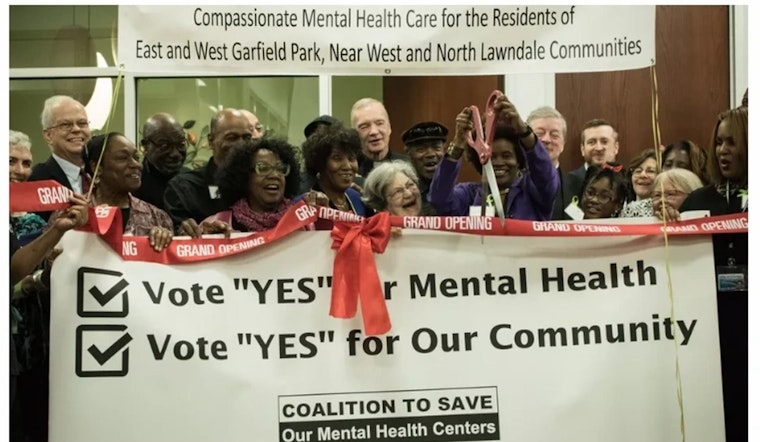
Without doubt, politicians and policymakers play a significant role in shaping mental health care systems. For instance, Mayor Brandon Johnson showed interest in reopening public mental health clinics and allocated funding for two new establishments in his first fiscal plan according to the Chicago Sun-Times. Advocacy for knowledge-based policies remains paramount in dealing with the mental health care system's challenges and ensuring accessibility to necessary services.
The recent assessment by the Collaborative for Community Wellness reveals barriers faced by Chicago residents while trying to access mental health care services. Even though Illinois has made some progress in reinforcing mental health care access through CoCM's implementation, it is clear that further effort is needed. Working towards enhancing the TICC system, expanding collaborative care model support, and endorsing educated policies could move the city towards comprehensive mental health care for everyone.





