

























































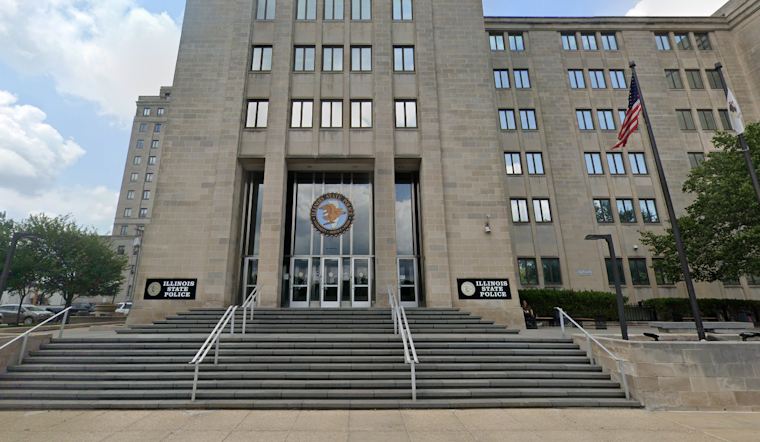
The Illinois State Police (ISP) is committed to combating illegal drugs by amplifying their efforts in training officers to handle clandestine drug laboratories. The ISP, in collaboration with the Clandestine Lab Team (CLT), organized a comprehensive 40-hour Basic Clandestine Lab Safety School and two 16-hour Micro-Lab refresher courses with the primary objective of boosting CLT operator certifications. This move aims to counter the dwindling number of experience operators occasioned by retirements and reassignments, according to the Illinois State Police. These trainings have become pivotal as they help law enforcement deal with the increasing numbers of unidentified drugs and their associated laboratories.
Director Brendan F. Kelly, ISP’s head, underscored the importance of these trainings, stating, "We are committed to equipping our officers with the necessary training to safely handle clandestine labs as we continue supporting law enforcement agencies across the state." This training aims to prepare operatives to handle and safely process various types of clandestine drug labs. It incorporates practical field experience, allowing operatives to attain hands-on skills in assessing and processing potentially dangerous sites, donning protective gear and managing hazardous materials, as per the ISP press release.
To combat evolving trends in drug production, such as counterfeit pill mills and handling of fentanyl, law enforcement officers must continuously update their skills. Following these recent trainings, 47 CLT operators refresher certifications were awarded across the state. This expands the ability of the ISP’s CLT to contain a diverse range of drug-related scenarios, thus demonstrating the ISP’s resolute commitment to combating illegal drug production and circulation in the state.
Over the past several decades, the nationwide methamphetamine epidemic has been a cause for alarm. The proactive approach of the ISP in training officers to manage such labs reflects the national concern. Efforts to counter this crisis include the formation of the Methamphetamine Response Team (MRT) in May 2005, which formed the foundation of the current CLT program. CLT extends its expertise beyond ISP-related cases, offering support to local police departments and sheriff's offices, ensuring that the fight against the illicit drug trade remains a top priority.
A strong testament to the ISP’s commitment to countering illegal drug production has been their lasting partnership with the Drug Enforcement Agency (DEA) since 2007. This symbiotic relationship allowed for shared finances and safety protocols for handling hazardous materials discovered in clandestine drug labs. Participation in the DEA Authorized Central Storage Program has lessoned the financial burden of cleanup for local law enforcement, while also ensuring the proper packaging and transportation of hazardous materials, according to the Illinois State Police press release.





