

























































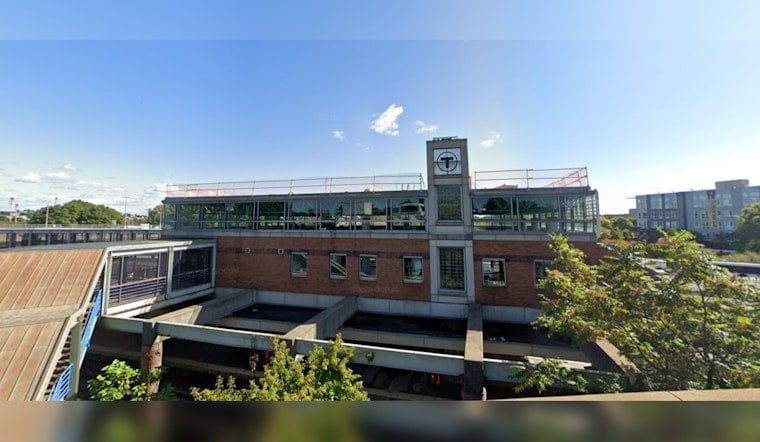
The Massachusetts Bay Transportation Authority (MBTA) has completed track work on the Red Line, eliminating nine slow zones between JFK/UMass and Park Street stations. Commuters can anticipate a smoother transit experience with reduced speed-restricted areas—currently at less than 10 miles, which is a record low since the introduction of slow zones in March, as reported by NBC Boston.
"Each step we take to repair our infrastructure is a building block to rebuilding public trust and restoring the level of service that the public deserves. The MBTA is proud to have completed this critical work, removing nine speed restrictions on the Red Line—which is three more than we set out to remove," General Manager and CEO Phillip Eng shared in a statement, reported by WCVB.
The refurbishment, installing over 2,000 feet of rail and 115 ties on the Red Line, resulted in temporary service disruptions from November 14 to 16 and over the subsequent weekend, as revealed by NBC Boston. This overhaul accomplished the removal of six speed restrictions between South Station and JFK/UMass and another three near Downtown Crossing.
While performing track work, the crew successfully used the time to execute other maintenance operations, including the refurbishment of platform benches, installation of rubber flooring on stairways, updating and cleaning of signage in tunnel sections, and painting station interiors, according to NBC Boston.
Following a recent analysis identifying a $24.5 billion infrastructural repair need by the MBTA, the completed Red Line track work—although significant—only scratches the surface of the comprehensive expenses necessary to rectify the larger issues faced by the system. The updated repair needs assessment reveals a drastic increase over the previous estimate in 2019. Factors contributing to this escalation include construction inflation and premature aging of MBTA assets, states NBC Boston. The subway and trolley tracks of the T system, where almost 90% are in poor condition, represent the largest share of these costs—around $2 billion.
While these Red Line improvements signify progress, a broader perspective is necessary. The MBTA continues to wrestle with systemic issues, including infrastructure degradation and funding concerns. Each repair and restoration, in the words of CEO Eng, serves both to enhance the functionality of the transport system and to rebuild public trust.
The Red Line improvements may be a small effort compared to the overall needs addressed in the MBTA’s capital assessment, but they nonetheless reflect a genuine commitment to work through the myriad of challenges faced by the system. Efforts like these provide hope for improved regional transportation in the future.





