

























































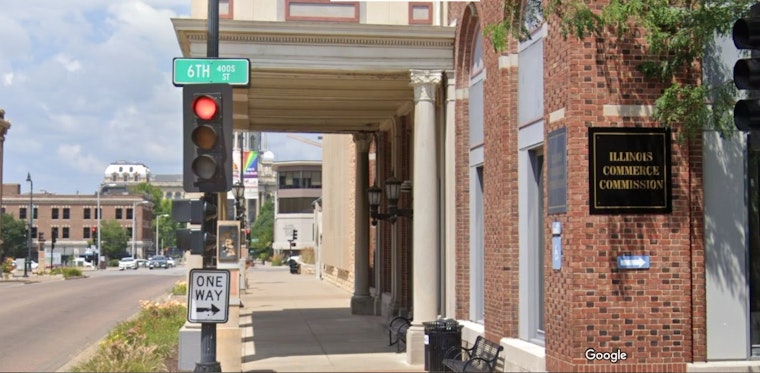
On November 16, the Illinois Commerce Commission (ICC) will make a ruling on a historic $402 million rate increase proposition for Peoples Gas, a case under intense review by the City Council committee. Should the increase receive the green light, it would add approximately $11.83 to the monthly bill of the average residential consumer, starting in January 2024, according to a report in the Chicago Tribune.
Peoples Gas President, Torrence Hinton defended the pipeline replacement scheme and the proposed rate hike as he delivered his testimony. He indicated that investments committed have been key to the safety and reliability of the infrastructure, while conceding that the ongoing pipeline replacement program has encountered hurdles. Their ambitious System Modernization Program, having been initiated in 2011, was originally projected to renovate 2,000 miles of old iron pipes beneath the streets of Chicago over a period of two decades, beginning at a budget of $2.6 billion. Conversely, the project has only seen a completion of 36 percent so far, and it is expected to carry on until 2040 at a rough cost of $8 billion.
Consumer protection organizations and advocates who are calling for increased regulatory scrutiny took a stern stance against the proposed rate hike by Peoples Gas. As per the Chicago Tribune, Ivonne Rychwa, the outreach director at the nonprofit Citizens Utility Board, argues that granting the biggest rate hike in Illinois history would exacerbate an ongoing dilemma of rising heating costs result of Peoples Gas's mismanaged, over-budget and timetable-lagging pipeline replacement program.
Environmental activists, who attended a recent ICC meeting, urged the members of the commission to transition their investments toward alternative energy sources. Environmental activist Caroline Wooten contested that the focus should be transferred to renewable energy and fossil fuel pipelines should cease to receive further investments. Furthermore, activists like Wooten advocated for the use of induction stoves and heat pumps as better alternatives to investments in fossil fuels. JC Kibbey of the Illinois Natural Resource Defense Council expressed similar concerns, warning that if the understanding about gas systems and environmental transitions does not evolve with the times, Illinois residents will bear the burden, as reported by NBC Chicago.
However, Peoples Gas's spokesperson, David Schwartz insists that the requested rate adjustment to ensure constant safety, reliability, and environmental sustainability within the system is necessary, even though it is the first request of its kind in nine years. He attributed the proposed rate hike to Chicago's outdated heating system, where pipelines date back even to the 1800s. In an interesting twist, Glennon Dolan, an administrative law judge working for the ICC, proposed a favorable verdict toward rate hikes adding up to $350 million—a figure lower than the $402 million requested by Peoples Gas, as reported in NBC Chicago.
The decision made by ICC on November 16, indeed, has the potential to shape the future for Peoples Gas and its customers. Despite claims made by the utility that record profits and skyrocketing late fees are not connected with the proposed rate hike, worried residents and environmentalists are urging the company to shift its attention to renewable and sustainable energy sources instead of further promoting fossil fuels.





