

























































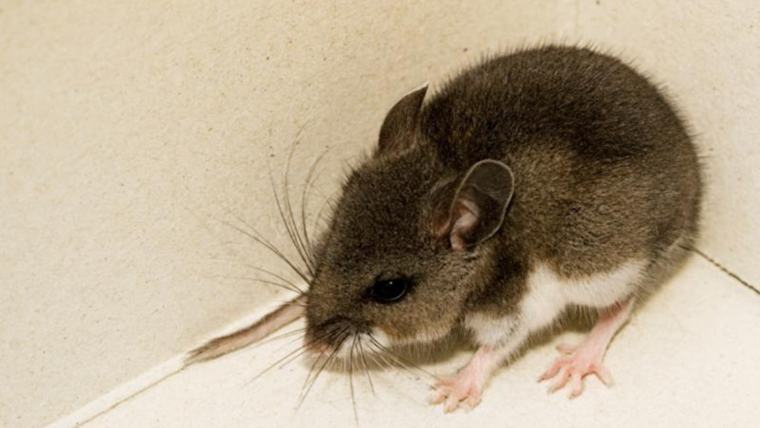
San Diego County has reported the 13th detection of hantavirus this year. On November 1, three deer mice captured near Mount Laguna tested positive for the pathogen. Hantavirus is often found in wild rodents and poses sporadic threats to public health. Despite the low human exposure due to rodents typically avoiding human habitats, these detections underscore the importance of vigilance and active prevention measures, as stated by the County News Center.
Three deer mice test positive for hantavirus in local mountains. https://t.co/C4pQY20Fza
— SanDiegoCounty (@SanDiegoCounty) November 3, 2023
As per the County News Center, potential hantavirus exposure occurs when infected rodents invade human-dominated spaces. Consequently, special caution is advised while cleaning spaces like homes, garages, and sheds. The virus from rodent feces, urine, and saliva can become airborne, especially if stirred, thus presenting the risk of contamination through inhalation.
Following exposure, hantavirus symptoms can manifest within 1 to 8 weeks. The symptoms range from severe muscle aches, chills, fever, and fatigue to more serious signs like dizziness, nausea, vomiting, stomach pain, and difficulty breathing. With no cure or vaccine available, anyone suspecting potential exposure should seek immediate medical attention.
Including the elimination of any suspected rodent infestations promptly, a range of precautions is suggested by the County News Center. Other measures such places sealing holes in homes and other structures larger than a dime and avoiding spaces potentially contaminated by rodent feces and urine.
The County News Center further advises the use of "wet cleaning" methods when dealing with areas showing signs of rodent infestation. Techniques include the use of bleach, other disinfectants, rubber gloves, and bags, as sweeping or vacuuming can stir hantavirus-laden dust into the air. The County Department of Environmental Health and Quality provides further advice on hantavirus prevention and cleaning, available either by phone at (858) 694-2888 or through their hantavirus web page.





-4.webp?w=160&h=400&fit=crop&crop=edges)

