

























































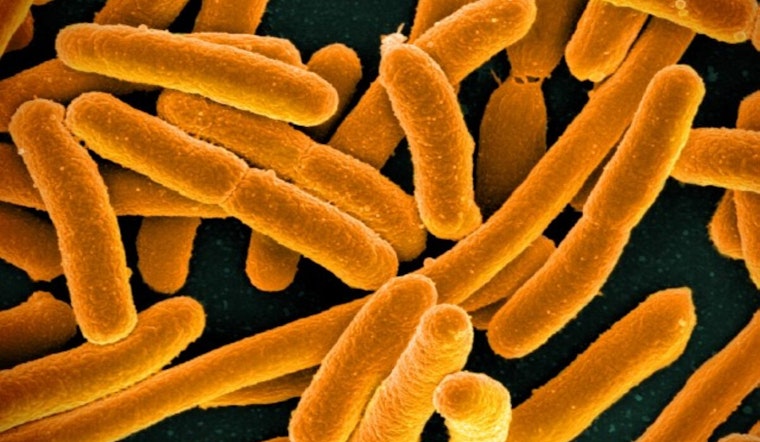
In an age where antibiotic resistance is a looming threat, scientists at The University of Texas at Austin have unlocked a peculiar capability of bacteria that's straight out of a science fiction novel—they can effectively store memories. This discovery has groundbreaking implications for the ongoing battle against infectious diseases.
Research published in the Proceedings of the National Academy of Sciences delves into the ways E. coli bacteria use iron levels as a novel method to not only keep record of their past actions but to also accurately pass down this information to their progeny. "Bacteria don’t have brains, but they can gather information from their environment, and if they have encountered that environment frequently, they can store that information and quickly access it later for their benefit," Souvik Bhattacharyya, the study's lead author told The University of Texas at Austin News.
According to the findings, when these microscopic organisms experience lower iron levels, they become adept swarmers, moving en masse on surfaces with their flagella—think synchronized bacterial ballet. On the flip side, high iron levels cause the bacteria to hunker down and form resilient biofilms. This information, an iron-induced recollection, sticks with the bacteria for up to four generations, fading by the seventh. It's this incredible retention capability that has scientists seeing potential for new treatments.
"Iron levels are definitely a target for therapeutics because iron is an important factor in virulence," Bhattacharyya explained as stated in The University of Texas at Austin News. The trick is to understand how to alter these iron levels and, by extension, interfere with the bacterial "memories" that contribute to their survival strategies. As bacteria continue to cleverly adapt to current antibiotics, targeting their metallic memory bank just might be the ingenious approach needed to gain the upper hand in this microscopic battlefield.





