

























































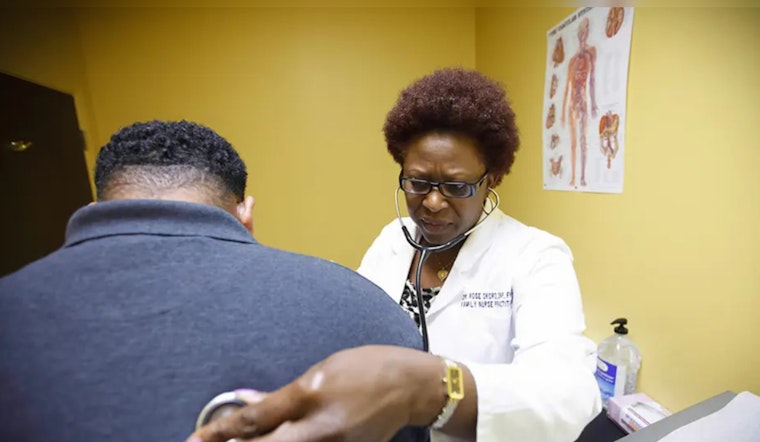
In a sweeping reduction of state Medicaid rolls, nearly 1.7 million Texans found themselves stripped of health insurance as officials hastened the termination of pandemic-era coverage. Texas has seen the most significant number of disenrollments nationwide, with a large share purportedly due to clerical issues. Amid the chaos, still-eligible individuals have been errantly cut off from Medicaid, spiraling into a backlog nightmare and inciting criticism from public figures and policy analysts alike, as per KSAT reports.
As stated by the Texas Health and Human Services Commission, the cut-offs are nearing completion as the state grapples with the extensive backlogs of both Medicaid and SNAP, the Supplemental Nutrition Assistance Program. As reported by The Texas Tribune, this unwinding process, originally barred by federal pandemic regulations, has inadvertently booted eligible Texans from their coverage and provoked a bureaucratic maelstrom, now leaving hundreds of thousands waiting for assistance.
"The state handled this with an incredible amount of incompetence and indifference to poor people," said U.S. Rep. Lloyd Doggett, D-Austin, in a discussion with The Texas Tribune. Advocates like Stacey Pogue, a senior policy analyst at Every Texan, have echoed this sentiment, emphasizing the state's choice to prioritize a rapid unwinding over a more measured approach that could have reduced strain on the system and minimized harm to beneficiaries.
In the wake of the escalating crisis, wait times for essential services like food assistance have blown out, with some families hanging on for over a month for SNAP benefits. "It's just a difficult time, it’s sort of a perfect storm," Celia Cole, CEO of Feeding Texas, told KSAT earlier this autumn, painting a bleak picture of stressed food banks struggling to meet demand as the festive season looms.
Responses from state officials indicate moves to bolster capacity with HHSC reallocating resources and training additional staff, yet the immediacy of need remains pressing for those without alternatives. Diana Forester, Director of Health Policy at Texans Care for Children, stressed the human toll of bureaucratic lag, saying, "It’s tragic to think that children are missing their check ups or medications because their Medicaid application is collecting dust in a state office," in a statement obtained by The Texas Tribune.
The state’s strategy, which included a raffle-prize incentive for overworked employees to log extra hours, has been broadly criticized. Limited automation in eligibility checking further compounded the issue, with only a fraction of Medicaid renewals being processed using efficient, data-driven methods, according to state figures.
As Texas endeavors to move forward, the dialogue shifts from the tangled unwinding to future infrastructure, with advocates urging for a system conducive to dignity and accessibility for those in need. "Texas lawmakers can look forward to like, ‘What kind of system do we want? How hard should it be to get through the Medicaid renewal process? How do we staff our system to process paperwork?’" Pogue offered in a conversation with The Texas Tribune, signaling a critical juncture for Texas Medicaid.





